Moderna announced on Tuesday that its SARS-CoV-2 vaccine demonstrated potent effectiveness in adolescents aged 12 to 17. In a rigorous clinical trial, no cases of symptomatic COVID-19 occurred among participants who received both doses.
These findings, detailed in Moderna's press release, stem from a trial with 3,732 participants aged 12 to 17, two-thirds of whom received two doses. Among fully vaccinated teens, researchers observed zero symptomatic COVID-19 cases, indicating 100% efficacy—a result mirroring Pfizer and BioNTech's trial in 12- to 15-year-olds. Moderna also reported 93% efficacy after a single dose.
Side effects aligned with those in adults: injection-site pain, headache, fatigue, muscle aches, and chills. “No significant safety issues have been identified to date,” Moderna assured. All participants will be monitored for one year post-second dose.
“This is really great news,” said Akiko Iwasaki, immunologist at Yale University. “These vaccines work very well in all age groups and potentially even better in younger people.”
Dr. Yvonne Maldonado, president of the American Academy of Pediatrics' Committee on Infectious Diseases, echoed this: “Teenagers will be more comfortable being able to go back to school. They will be able to do more social activities. I think this is going to make a big difference in the reopening of our society.”
Buoyed by these results, Moderna plans to submit its adolescent data for FDA approval as early as June. For context, the Pfizer-BioNTech vaccine gained authorization for ages 12 to 15 earlier this month.
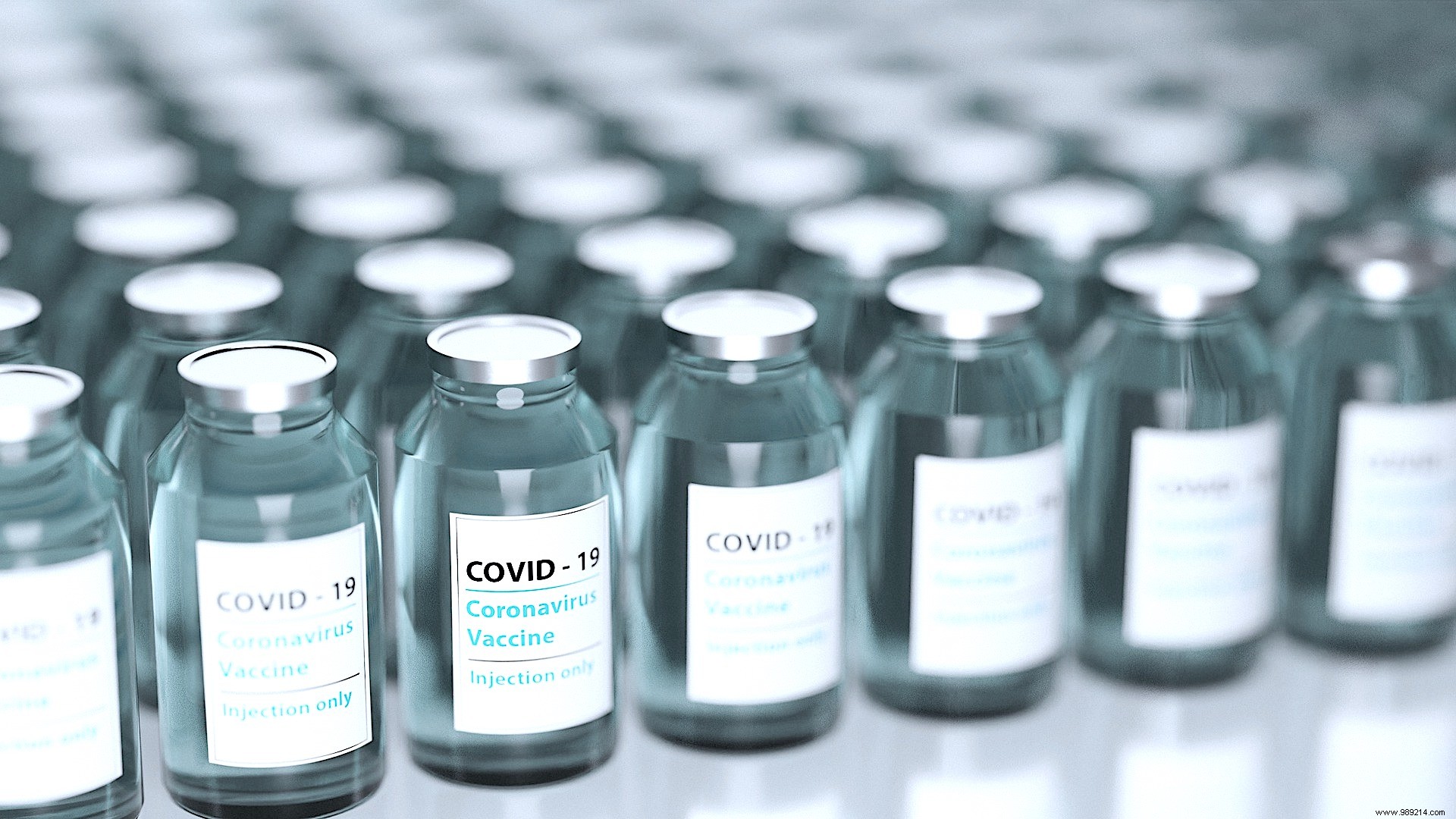
Despite over 1.7 billion doses administered globally, adolescent vaccination faces hurdles due to stark inequities. About 84% of doses have gone to high- and upper-middle-income countries, with just 0.3% reaching low-income nations.
“A huge proportion of the world's population lives in countries that currently have no access to doses at all,” noted Andrea Taylor, associate director at Duke University's Global Health Innovation Center. “In one country, we seek to reach children, and in more than 100 other countries, we are desperate to try to vaccinate the most vulnerable populations.”
Covax, the initiative aiding low- and middle-income countries, lags behind targets. The IMF recently pledged $4 billion more to boost coverage from 20% to 30% by year-end. Moderna and Pfizer have promised tens of millions of doses to Covax by late 2021.
