At Portugal's University of Porto, Prof. Vitor Vasconcelos leads research harnessing marine microorganisms to advance human health while safeguarding ocean ecosystems. He stresses sustainable ocean exploration, noting that over 90% of these microbial species are yet to be studied.
Covering 71% of Earth's surface, the oceans remain largely unexplored. Estimates suggest up to two million marine species await discovery. In a March 30, 2021, Euronews report, Prof. Vitor Vasconcelos, director of the Interdisciplinary Centre of Marine and Environmental Research (CIIMAR) at the University of Porto, observes that scientists devote more effort to space than our oceans. Yet, he argues, the seas hold key solutions for improving human health—starting with their role in producing half of Earth's oxygen.
These waters teem with organisms ripe for study, potentially yielding novel therapies. As Vasconcelos explains: "We can imagine, for example, using cyanobacteria or microalgae—organisms present in oceans for more than three and a half billion years. They've endured diverse environments, evolving molecules that could now treat cancer, malaria, obesity, and other diseases."
CIIMAR researchers investigate marine life like cyanobacteria, prized for their toxicity yet promising medicinal compounds. Their chemical diversity fuels optimism for groundbreaking discoveries, as the right molecule could address virtually any ailment.
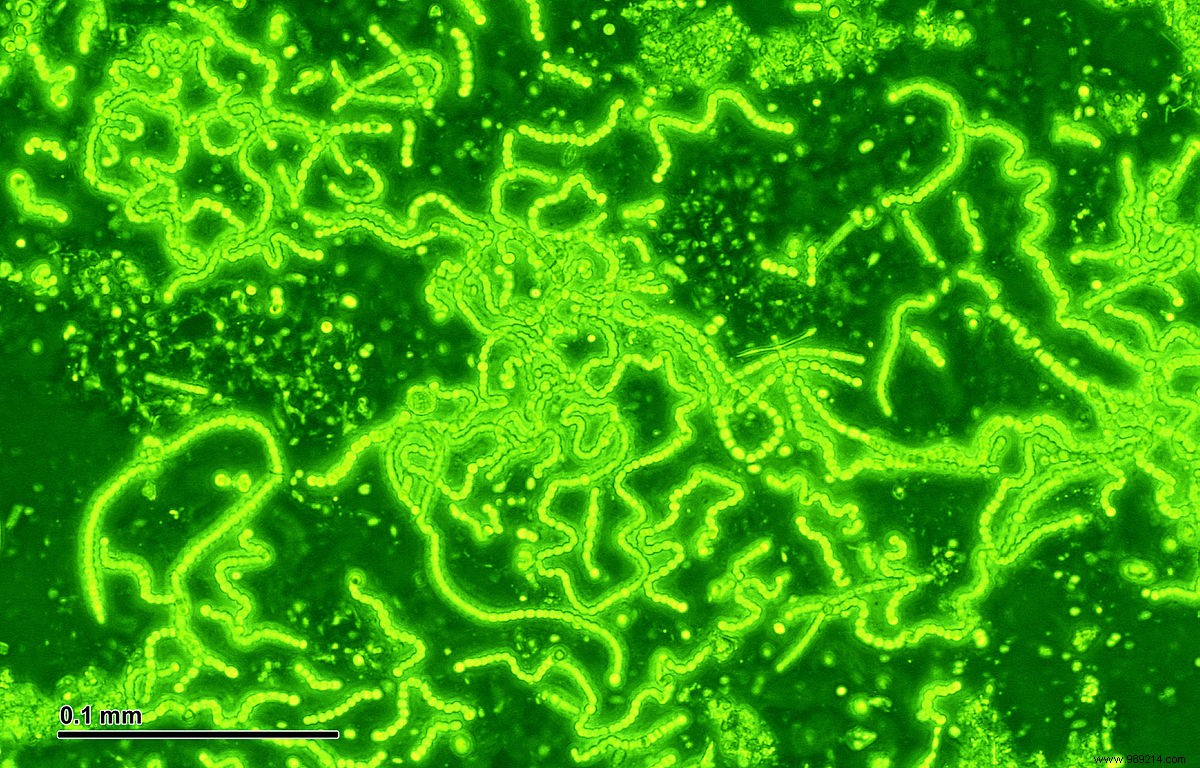
Prof. Vasconcelos advocates sustainable practices today, after decades of overfishing. He proposes isolating and lab-culturing microorganisms. The opportunities are immense: he estimates more than 90% of microorganism species in ocean environments remain unstudied.
A 2019 international study expanded the known ocean virus count from 16,000 to nearly 200,000, creating the most comprehensive catalog yet. Decoding viral populations in ocean ecosystems is crucial, as viruses influence marine plankton—including bacteria, archaea, protists, and tiny animals—shaping population dynamics.
