Researchers have uncovered a direct molecular connection between high meat and dairy consumption and elevated levels of cancer-linked antibodies in the blood.
Neu5Gc is one of two primary sialic acids prevalent in most animals, but absent in humans and birds. Humans begin producing anti-Neu5Gc antibodies in childhood upon initial exposure to meat and dairy products.
For years, studies have shown a correlation between these antibodies and heightened cancer risk, particularly colorectal cancer. Now, new research establishes a direct causal link to meat and dairy intake, detailed in the journal BMC Medicine.
Led by Dr. Vered Padler-Karavani of Tel Aviv University, an international team drew on France's NutriNet-Santé study—launched in 2009 by Roselyne Bachelot and directed by Prof. Serge Hercberg. This ongoing cohort follows 500,000 online participants to explore nutrition-health links.
The researchers quantified Neu5Gc levels in common French meat and dairy products, estimating daily intake for 19,621 adults aged 18+ based on their multi-day online food logs.
They analyzed blood samples from a representative 120 participants for anti-Neu5Gc antibodies, developing the Gcemic Index to rank foods by their potential to boost antibody levels—and thus cancer risk.
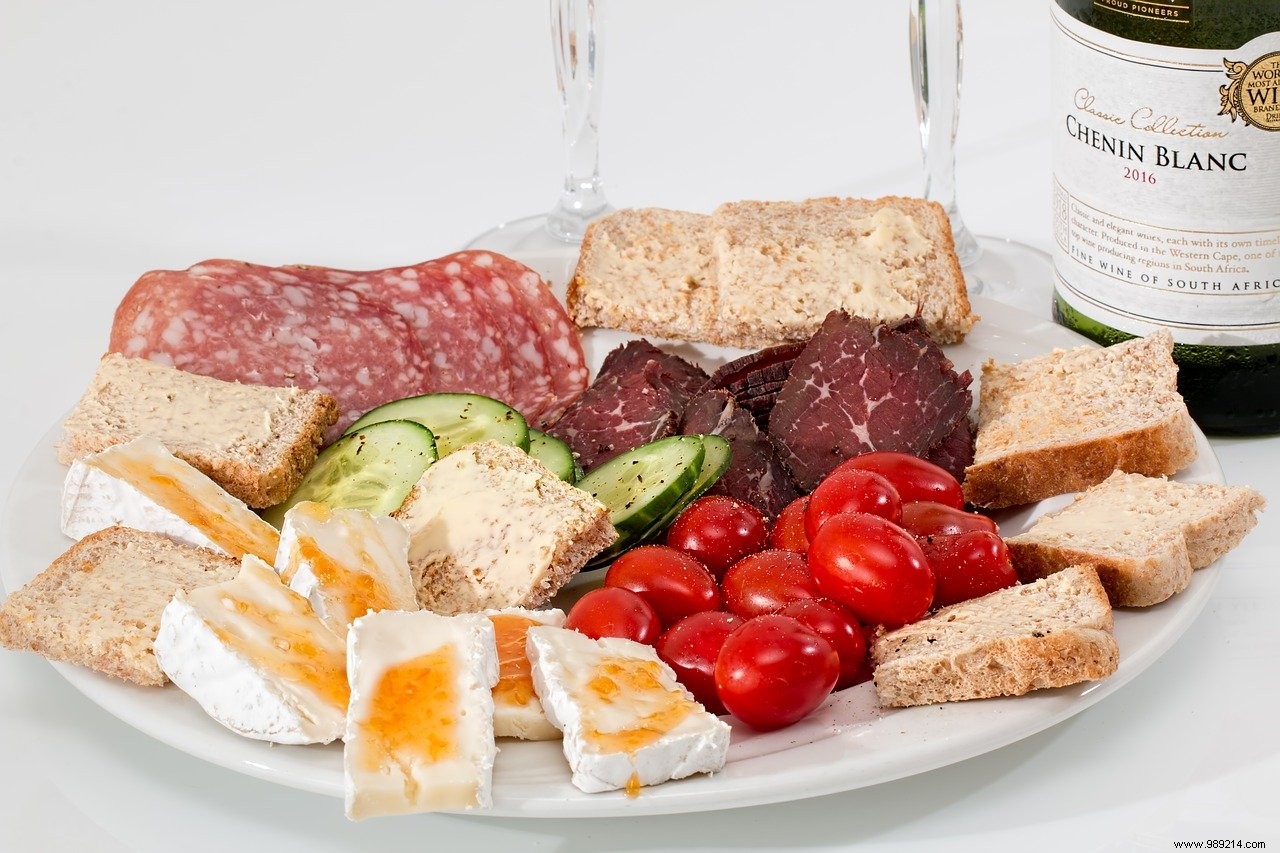
The findings are compelling: "We identified a significant correlation between high Neu5Gc intake from red meat and cheeses and increased antibody production that raises cancer risk," says Dr. Padler-Karavani.
"Despite years of searching, this is the first direct molecular link, enabled by precise antibody assays and detailed French dietary data." The team recommends moderating animal product consumption.
Supporting studies echo this: even modest red meat intake may raise mortality risk, while surging global meat and dairy demand threatens environmental sustainability.
