Since 2018, cannabidiol (CBD) oil has surged in popularity in France, drawing attention for its potential benefits. Importantly, CBD is non-psychoactive—unlike THC—and is permitted in specific forms. While many virtues are attributed to it, only a select few are backed by rigorous scientific studies.
Cannabidiol (CBD) is one of over 100 cannabinoids found in hemp (cannabis). Unlike tetrahydrocannabinol (THC), it produces no psychoactive effects. First isolated in 1963 after centuries of study, CBD oil isn't an essential or culinary oil but functions as a food supplement. It's typically made by infusing organic carrier oils—like hemp, coconut, or olive—with extracts from hemp flowers rich in CBD.
Production often involves decarboxylation via CO2 extraction, activating cannabinoids. One common home method: grind flowers, bake them briefly, then steep in oil in a water bath (bain-marie) for tens of minutes before straining. Solvent extraction is another professional technique.
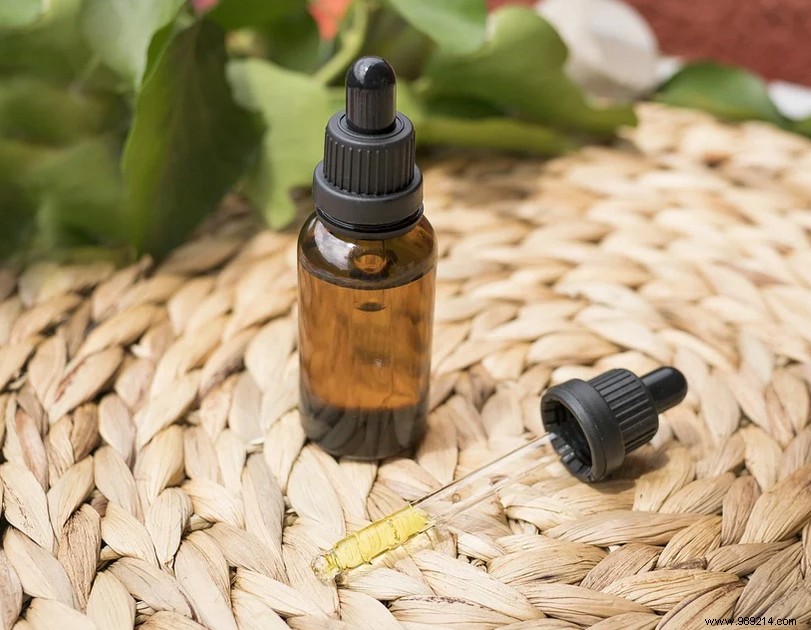
CBD oil shows promising medicinal properties, primarily by interacting with the body's endocannabinoid system—a network of receptors regulating homeostasis, including temperature, pH, and mineral balance. Research highlights its potential for easing stress, anxiety, and pain through anti-inflammatory and relaxing effects.
A 2008 study demonstrated CBD's role in restoring bodily homeostasis, balancing factors like temperature, acidity, and blood sugar. A 2019 study found it modulates serotonergic transmission, reducing allodynia and anxiety in neuropathic pain models. It's also shown benefits in post-spinal injury pain management and cardiovascular protection.
Emerging evidence suggests broader applications, such as lowering blood pressure, cholesterol, and arterial plaque; aiding in epilepsy, autism, Parkinson's, Alzheimer's, schizophrenia; and even supporting smoking cessation via nicotine receptor effects. Notably, CBD features in approved medications like Cannador (for multiple sclerosis, anorexia, cancers), Sativex, and Epidiolex.
Though non-psychoactive, proper dosing is essential for safety and efficacy. No official RDA exists, but experts suggest starting with a few drops daily, adjusting based on individual response.
Sublingual use—placing drops under the tongue for 1 minute before swallowing—is most efficient. Alternatives include capsules or adding to food.
Mild side effects may occur, such as digestive issues (vomiting, diarrhea, appetite loss), but they're generally tolerable and dose-dependent—far less severe than many pharmaceuticals.
French law, per the Public Health Code, bans CBD exceeding 0.2% THC. Allowed forms include oils, e-liquids, capsules, and creams; flowers and pastes remain contentious despite widespread sales.
EU law supersedes national interpretations, with the European Court of Justice poised to clarify via upcoming rulings. In 2019, France approved a two-year medical cannabis trial (2020-2022), potentially expanding therapeutic access. A 2020 decree outlines drug specs, funding, and indications.
France's CBD market, though nascent (popular just two years), rewards informed choices. Seek reputable vendors offering traceability, lab testing, and expert advice.
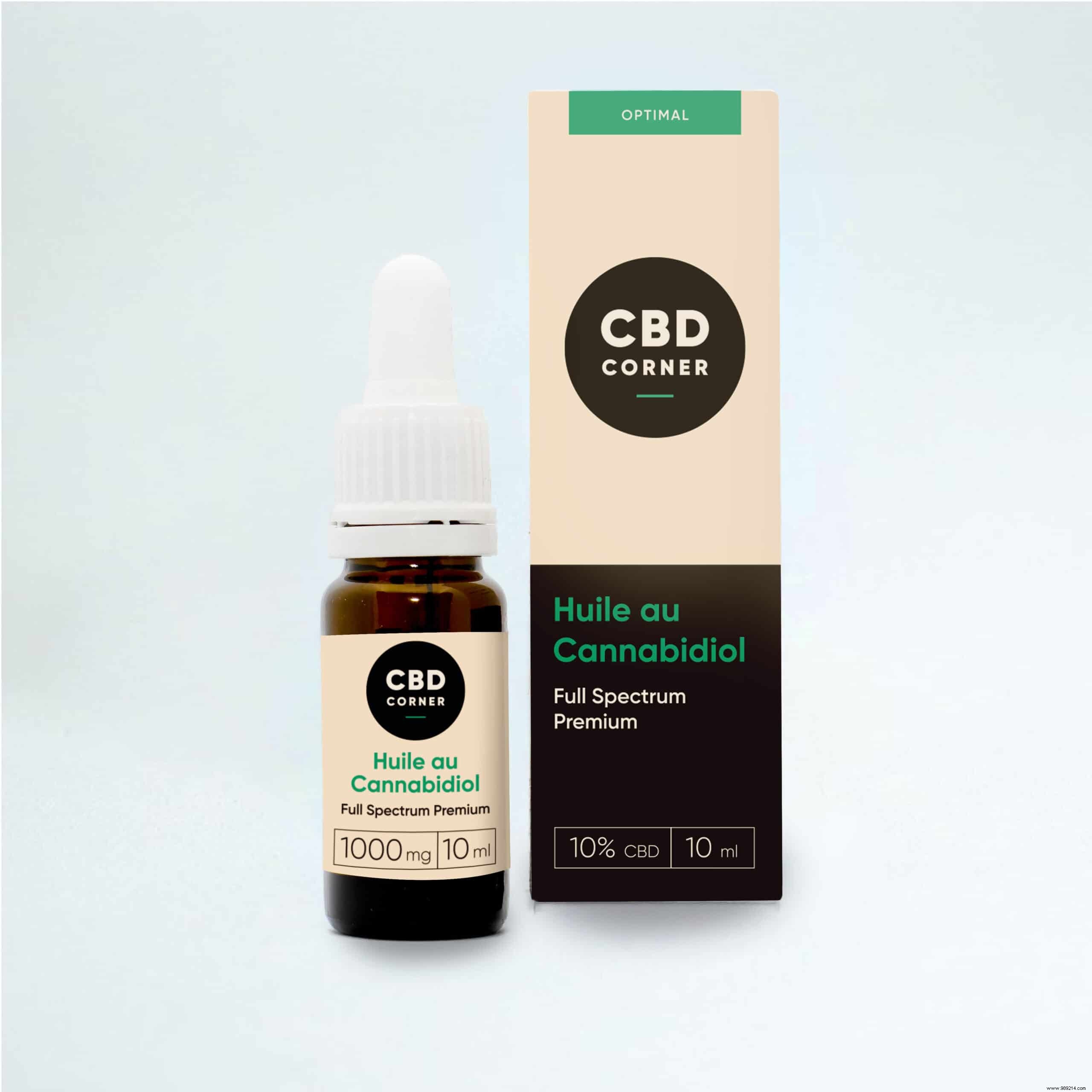
Paris-based CBD Corner, a leading specialist, exemplifies this with oils at 5%, 10%, 20%, and 30% CBD concentrations, plus e-liquids, crystals, waxes, capsules, massage oils, and matcha tea.
In 2019, France 2's Envoyé Spécial featured CBD treating severe epilepsy in a 9-year-old girl, spotlighting real-world potential.
