This year, the tiger mosquito remains firmly established across France, growing more active and now present in 67 departments—nearly 65% of the territory.
Vigilance-moustiques.fr updates its annual map tracking tiger mosquito presence by department. This year, 67 departments are colonized or in the process of colonization, spanning nearly 65% of French territory.
In 2019, the site flagged 51 departments as "red vigilance" (officially implanted and active populations). The 2020 map reveals ongoing expansion since the species arrived in France in 2006, with six new departments elevated to this level (totaling 57): Charente, Cher, Loire-Atlantique, Yvelines, Deux-Sèvres, and Vienne.

Mosquitoes rank as humanity's deadliest predator, linked to hundreds of millions of deaths yearly and profoundly shaping human history. Historian Timothy C. Winegard's book The Mosquito: A Human History of Our Deadliest Predator posits that they have killed nearly half of all humans who ever lived over 200,000 years.
The tiger mosquito transmits dengue, chikungunya, and Zika virus. The WHO confirms it does not spread SARS-CoV-2, the virus behind COVID-19.
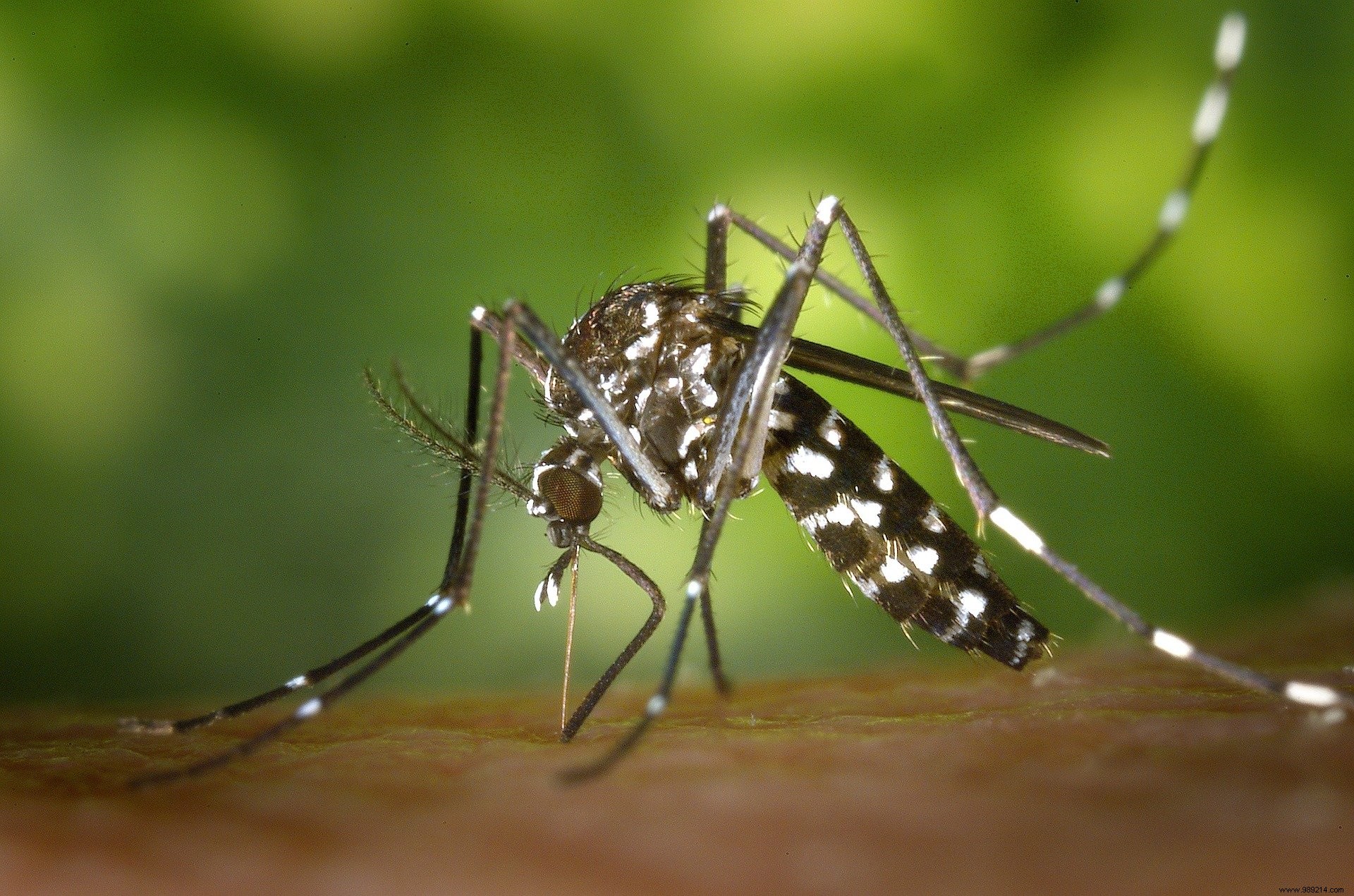
Identified by its distinctive white stripes, the tiger mosquito is aggressive yet sluggish and relatively easy to eliminate, per Vigilance-moustiques.fr. To prevent breeding near your home, empty saucers under outdoor pots, secure rainwater collectors, invert watering cans, and ensure gutters have proper drainage to avoid standing water.
For bite prevention, opt for loose, covering clothing, use air conditioning, or apply EPA-approved repellents—always consult your doctor or pharmacist first.
If bitten, disinfect promptly to minimize infection risk. Seek medical attention immediately if symptoms like high fever, body aches, joint pain, or extreme fatigue appear within five days.
