The ANSES Pesti'Home study offers a detailed look at pesticide use in French homes, including product types, usage patterns, and user profiles. Its findings raise important concerns about everyday exposure.
On October 7, 2019, France's National Agency for Food, Environmental and Occupational Health & Safety (ANSES) released results from its groundbreaking Pesti'Home study—the first nationwide analysis of domestic pesticide use. Researchers surveyed over 1,500 households and cataloged more than 5,400 products.
The study focused on pesticides available for consumer purchase, targeting insects, rodents, fungi, parasites, and molds. It also profiled users and their habits to better understand real-world application.
ANSES found that 75% of surveyed households used at least one pesticide in the prior year. Insecticides were the most common, used by 84% of those households—including sprays for flying insects (up to 40%) and crawling ones (28%). Many also used veterinary products to treat pet parasites.
Herbicides and outdoor plant treatments were used by nearly one in five households with gardens or yards. Mosquito repellents and similar human skin products reached 12% of households.
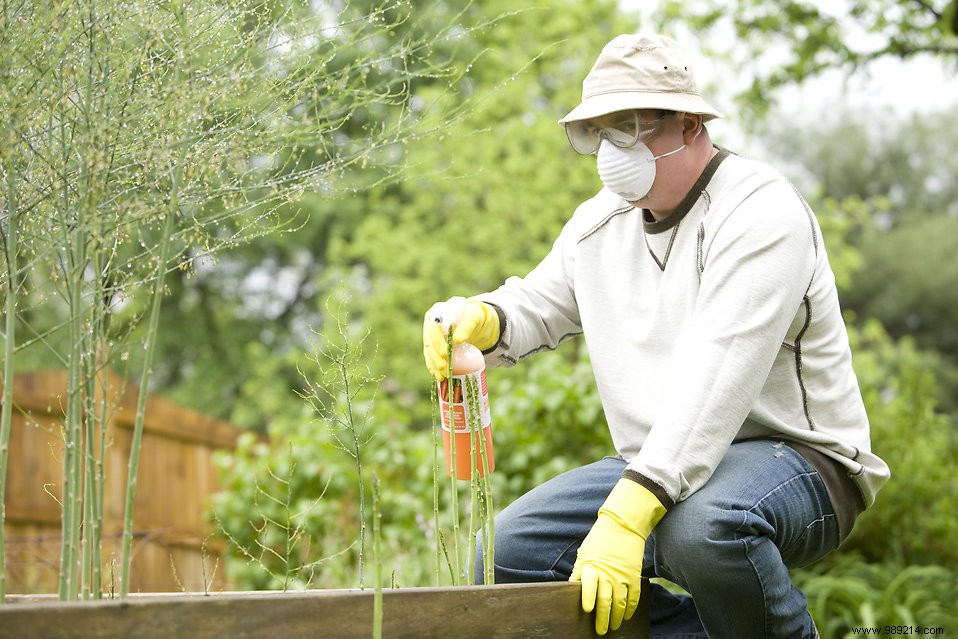
ANSES identified three key profiles: light users, who rarely combat pests and often live in urban areas; moderate users, typically pet owners; and heavy users, who apply multiple products indoors, outdoors, and on themselves for insect protection.
To address these insights, ANSES issued recommendations for public education on safe pesticide use, health precautions, and proper product recycling.
Related Articles:
