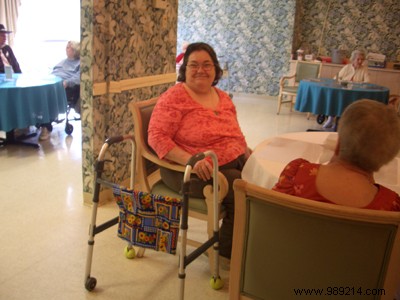
 Seniors who have lost physical or mental autonomy often struggle with daily tasks, making a nursing home placement essential.
How can you verify the professionalism of an EHPAD—a specialized facility for dependent elderly individuals?
As people age, health declines, and many can no longer manage basic activities like dressing, bathing, or eating independently. This is common with degenerative conditions such as Alzheimer's or Parkinson's disease. At that point, home care alone isn't sufficient.
These seniors need not only daily assistance but also ongoing medical supervision. EHPADs provide comprehensive residential care, including housing, meals, laundry, medical units, and spaces for social activities and entertainment—beyond what standard retirement homes offer.
Moving a senior from their familiar home can be deeply traumatic, so selection criteria must be rigorous. The right choice directly impacts their well-being, development, and medical care. With numerous public and private options available, the process can feel overwhelming.
Directories like Medipages.org specialize in retirement homes and EHPADs, offering an extensive network searchable by department for easier discovery.
For those with Alzheimer's, prioritize facilities with dedicated units. Clicking on a listing reveals detailed profiles, including rates, room types, bed capacity, activities, and life enrichment programs.
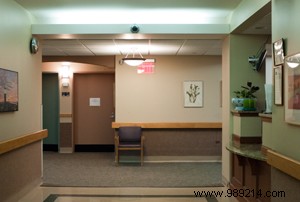
Evaluate several factors when selecting an EHPAD. Start by confirming state approval, as only authorized facilities can accommodate seniors with autonomy loss.
Visit in person to assess quality: Check if common areas meet safety standards. Note room sizes, air conditioning, and access to gardens or parks.
Once facilities are vetted, scrutinize the staff. Reputable EHPADs employ experienced professionals, including coordinating physicians, nursing assistants, nurses, and physiotherapists, to manage residents' daily needs effectively.
(Photo credits: JSmith photos, robinsan, Susan NYC)
