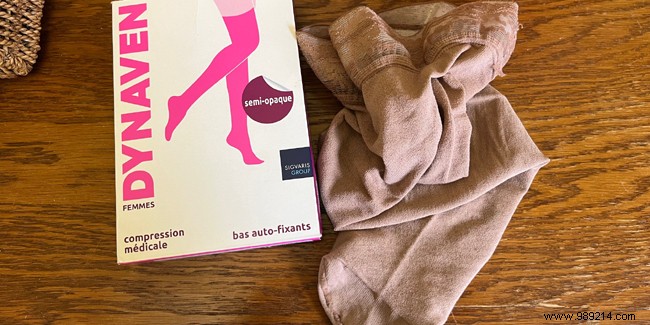
Compression stockings are specialized medical devices used across life stages, from post-surgery recovery to postpartum support and, most commonly, for older adults. As vascular health experts emphasize, they play a crucial role in managing leg circulation. Here's a comprehensive overview based on clinical recommendations.
These therapeutic garments treat venous conditions early, enhancing patient comfort and outcomes. Crafted from elastic textiles, they apply graduated pressure—strongest at the ankle—to boost blood flow, venous return to the heart, minimize capillary leakage, and support lymphatic drainage.
Resembling elongated socks, they come in various sizes and styles: knee-high, thigh-high, or full pantyhose. Choose what feels comfortable; colors vary for discretion. Wear them during the day and remove at night.
Support stockings provide milder pressure at rest and help control leg swelling during activity. Compression stockings, however, deliver targeted, therapeutic compression for medical venous issues.
Especially valuable for seniors, these devices significantly improve quality of life by:
They also aid ulcer healing, treat phlebitis, and prevent conditions like thrombosis, phlebitis, or edema, as supported by medical guidelines.
Phlebologists prescribe them post-surgery, for varicose veins over 3 mm, chronic edema, venous eczema, lipodermatosclerosis, or ulcers.
As medical devices, selection requires professional guidance:
Compression levels fall into four classes (mmHg, weakest to strongest):
Proper fit is critical—incorrect use can impair circulation. Learn application techniques and monitor for issues.
Not suitable for everyone. Avoid if you have:
Never self-medicate; consult a doctor.
Available only by prescription after thorough exams to determine class. Visit a pharmacy for custom fitting. Reimbursed by insurance; prices range from 20-80€. Rotate pairs and replace after 6 months for efficacy.
