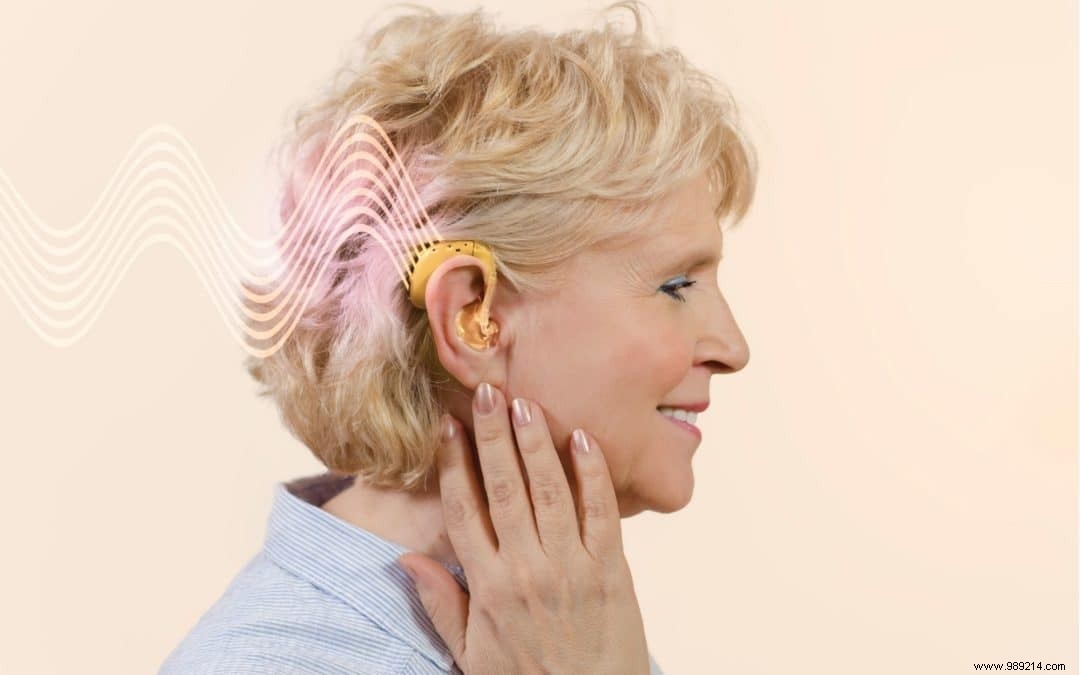
Experiencing hearing loss? Discover tailored hearing aid solutions that fit your needs and lifestyle. Our expert tips ensure a successful fitting and improved quality of life.
As experienced hearing care professionals, we guide you after your ENT specialist confirms significant hearing loss requiring aids. This process involves reflection and acceptance. Openly share your lifestyle with your doctor and audioprosthetist to ensure the best fit. Actively participate by asking questions and voicing concerns throughout.
Presbycusis—age-related hearing loss akin to presbyopia—affects most people worldwide. You're not alone. Start by discussing it with your physician. While basic hearing may persist, understanding speech, especially in noise, is crucial. Describe how it impacts your social interactions to refine diagnostics and secure appropriate referrals to hearing solutions.
Your state-certified audioprosthetist will help select, fit, and maintain your devices based on your unique profile: lifestyle, social demands, ear canal shape, hearing loss type, earwax levels, dexterity, and comfort preferences. The aim? Consistent wear to support brain health.
Options include intra-auricular (in-canal) or behind-the-ear (BTE) devices. Both perform equally for mild-to-moderate loss, but severe cases favor powerful BTEs. Advanced tech features multi-core processing for speech vs. music, noise reduction, multiple channels, anti-feedback, tinnitus masking, Bluetooth connectivity, and more. Higher channel counts allow precise frequency adjustments. Speech clarity in real-life scenarios is the priority. Newer models add fall detection, biorhythm sensors, and health monitoring—but only what's relevant to you.
More programs mean higher battery needs. Choose from various sizes or rechargeable options. Social Security covers one year's batteries.
Since January 1st, 2021, France's "100% Health" program covers Class 1 hearing aids fully, depending on your supplemental insurance—no out-of-pocket costs.
These must include:
Plus three from 12 options: anti-tinnitus, remote/Bluetooth adjustments, wind noise reduction, device synchronization, and more.
Renew every 4 years. Class 1 suits most presbycusis cases.
Expect follow-up with at least two annual appointments for cleaning and adjustments—schedule more as needed.
Class 2 offers extras like direct smartphone streaming, rechargeables, more channels, AI, and biorhythm sensors.
Ultimately, success hinges on you. Every hearing loss is unique, tied to your lifestyle. Share expectations and challenging situations so solutions enhance your daily vitality, stimulate your brain, and prevent isolation, falls, or cognitive decline.
