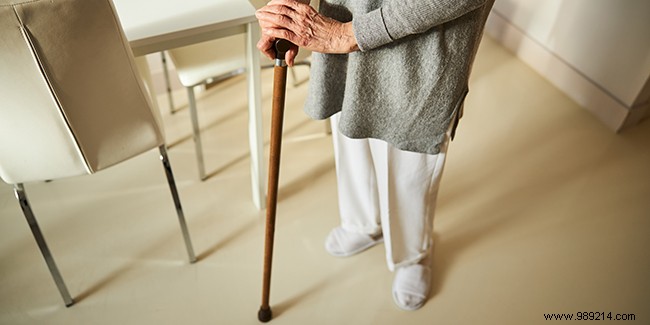
According to Public Health France, France's national public health agency, over 9,000 seniors die annually from accidental falls. These incidents often lead to severe injuries and loss of independence, impacting one in three people aged 65 and older. As we age, changes in posture and balance elevate fall risks, but straightforward, evidence-based steps can significantly reduce them.
A leading insurance group reports that 50% of seniors over 65 have experienced a fall at home. Balance issues are a primary cause, potentially leading to serious health complications, loss of autonomy, or even death.
Balance problems in older adults stem from various sources, including vision or hearing impairments, muscle weakness, chronic conditions, dizziness, joint issues, and even dental problems. Conditions like hypertension, osteoporosis, and bone-weakening diseases further heighten risks. Certain medications can also impair balance and coordination.
Neglecting foot care—such as skipping regular pedicures—increases vulnerability as well.
Fall prevention begins with regular physical activity—aim for at least 30 minutes daily, focusing on accessible exercises rather than intense sports.
To maintain balance, seniors should keep moving when health permits: walking, climbing stairs, bending, or standing. Consistent activity preserves flexibility, builds muscle strength, and bolsters overall stability.
A nutrient-rich, varied diet supports vitality and fall prevention in later years.
Include proteins (meats, eggs, fish), vitamin-packed fruits and vegetables, energy-providing starches, and dairy for strong bones to combat osteoporosis—a common fracture trigger in falls.
Adequate nutrition sustains health, while limiting excess sugar, salt, and fats is key. Hydrate with about 1.5 liters of water daily, via water, teas, herbal infusions, or soups—avoid sugary drinks and alcohol.
For seniors living at home—the most common fall site—home adaptations are crucial, especially in high-risk areas like stairs, bathrooms, and kitchens with slippery floors.
Simple changes make a big difference: Clear pathways by removing cords, rugs, and obstacles. Ensure ample lighting throughout.
Install grab bars or handrails in key spots like bedrooms, toilets, and bathrooms for safe sitting and standing. Opt for non-slip flooring, particularly in wet areas.
Proactive health management is vital to avert falls and their consequences.
Schedule routine eye exams with an ophthalmologist and regular doctor visits to catch balance issues early. Women should monitor for osteoporosis signs, which can lead to fractures and mobility loss.
Quality sleep, often overlooked, also plays a key role in maintaining health and reducing fall risks.
