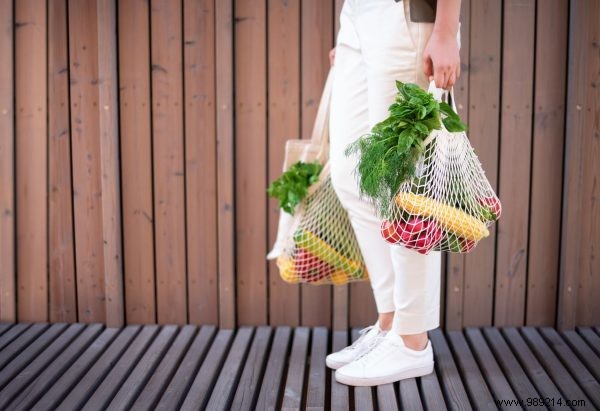
Want to reduce your plastic footprint and protect the planet? These expert-backed tips make it simple to start living with less plastic, drawing from proven sustainable practices used by eco-conscious households worldwide.
Single-use plastics sneak into our daily routines—at work, on commutes, and home—polluting oceans and landfills. As environmental experts emphasize, slashing plastic waste is crucial for ecosystems, not just a fad but a vital step for nature's health.
Here's how to make meaningful changes:
Stock up on sturdy reusable bags for shopping or carrying items. Opt for compact, foldable ones that fit easily in your bag or pocket.
Skip supermarket plastic bags for fruits and veggies—many stores allow loose items at checkout. Prefer bags? Reusable produce bags are durable alternatives for home use too.
Tote a reusable water bottle everywhere. For coffee on the go, use a thermos. In restaurants, request tap water to avoid bottled options.
Avoid disposable items like plastic cups, straws, stirrers, balloons, and cotton buds. Eco-friendly swaps include bamboo straws, wooden stirrers, and cardboard buds. Use beeswax wraps instead of cling film, or cover dishes with a plate or bowl. Click here.
Separate waste for recycling whenever possible. Better yet, reuse bags and containers—for instance, to store or freeze food.
Refill soap dispensers instead of buying new plastic ones. Swap shower gel for solid soap bars; brands like Lush offer plastic-free options. Avoid products with microbeads, which harm marine life.
Never flush plastic tampon wrappers—bin them instead to prevent waterway pollution. Consider a reusable menstrual cup for an even greener choice.
Use lunch boxes for meals and snacks to ditch plastic bags and excess packaging.
Avoid hauling heavy bottles with a SodaStream—carbonate tap water and add flavors for custom sodas. Pair it with reusable bottles to save up to 2,800 disposables per device.
Craft your own cleaners from pantry staples like baking soda. It's sustainable, cost-effective, and eliminates countless plastic bottles—find trusted recipes online.
Prioritize unpackaged or minimally packaged goods. For frequent buys like pasta or toiletries, choose bulk sizes to reduce plastic per use.
