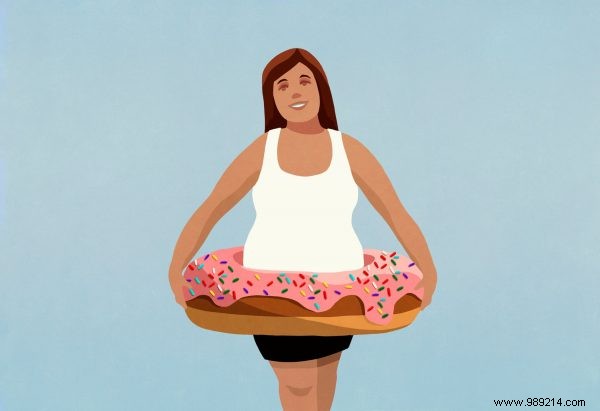
Bibian, 43, underwent gastric bypass surgery and shed 60 kilos, emerging as a transformed woman. "I used to ignore myself—now I don't," she shares.
"I've lost 60 kilos—half my pre-surgery weight of 120 kilos. Looking at old photos, I barely recognize myself. Even people around me do double-takes, like that former classmate who walked right past me. It's amusing: my neighbors thought my husband had a new girlfriend until they realized the slim blonde getting into his car was me."
I've battled overweight since childhood. Many women on my mother's side struggle similarly, suggesting a genetic predisposition. But that's just one factor. At 14, I started my first diet with my mother's Callanetics book. Over the years, I tried them all: Weight Watchers, South Beach, fruit diets, Atkins—even recycling 30 diet books recently. I joined every local gym, but sustaining exercise was tough. I'd lose weight temporarily—once 30 kilos through strict calorie counting—but it always returned, often with extras.
Being heavy deeply affected my self-image. As a teen, I felt uncomfortable in my body around slim friends, avoiding clubs and relying on my mother to sew custom dresses. I stood out negatively, which fueled emotional eating: healthy in company, but binging on chips and chocolate alone.
Life wasn't all bad—I had a solid job, great social circle, and met my partner after slimming down from a year of dieting. But weight crept back after moving in and having our son. Pre-wedding, I trained with a personal trainer but struggled with diet. On our big day, overhearing tourists say, "Lovely, but the bride is big," still stings. Fat shaming on your wedding day? Unbelievable.


The true low came on a sweltering Italian holiday. While my husband and son splashed in the pool, I stayed inside. I realized I was limiting not just myself, but my family. Fed up with self-pity and health risks, I knew change was urgent. My husband never criticized my weight, but seeing his slim exes sparked insecurity.
In Italy, I committed to gastric bypass after endless failed diets. It took two more years to proceed, researching risks thoroughly. Online stories varied—many successes, some complications. The procedure shrinks the stomach and reroutes the small intestine for reduced absorption, a lifelong commitment requiring mental and physical resilience. I passed all pre-op tests but waited months to feel ready.
Post-surgery, I stayed overnight in hospital and returned to work in a week or two. The real work began adjusting to tiny portions—my stomach now kiwi-sized. For two years, larger meals caused pain. Three years on, I eat more but rely on discipline. Rapid loss fatigued me; I couldn't comfort-eat junk and sometimes snapped jealously at my husband's snacks. Yet I exceeded expectations, dropping more than the predicted 40 kilos.
Navigating a normal BMI felt surreal—my mind lagged behind my body. Trying Zara size 36 pants was magical. Running effortlessly? Even better. Strangers treat me differently: warm shop greetings, doors held open. My husband, always adoring, now says it more.
My life hasn't changed, but I have—I'm active, present, assertive. I used to shrink back; now I negotiate sofa discounts confidently.
Three years in, appetite returns, satiety fades—parties show on the scale faster. Doctors warned of gradual regain; the key is lifestyle shifts. I prioritize veggies, cooking, and exercise, dodging temptations. Treats are tiny, rare—not worth derailing progress.
Gastric reductions (bypass or sleeve) are rising: from 3,500 in 2007 to over 11,000 last year. Eligibility requires BMI 40+ or 35+ with conditions like type 2 diabetes. Both shrink the stomach; bypass reroutes intestines. Risks include nutrient deficiencies, blood sugar issues. Costs ~€10,000, often insurance-covered.
Bibian Visser authored two books: A Gastric Reduction, and Then? (Character Publishers) and Diary of My Gastric Reduction Journey (self-published).
Source: Santé March 2019, text: Merel Brons, photos: Bibian / @Brigitte van de Veen. Images: Getty Images
People who are always late live longer
Four reasons to look forward to autumn
How long should a skipping rope be?
