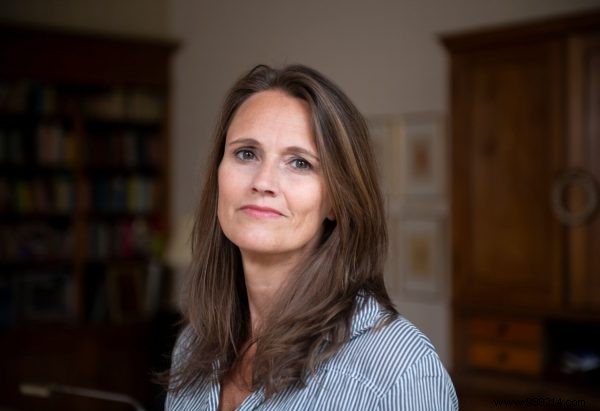
Twins share a profound dual identity. When one dies, the survivor grieves not only their sibling but a part of themselves and the unique bond they shared. This often sparks a deep identity crisis. American psychiatrist George Engel, who lost his own twin, highlighted three distinguishing factors: a blurred sense of self (including confusion about who died), loss of identity ("Who am I now? Am I still a twin?"), and a merging with the deceased, which prolongs acceptance of the loss. Karin opens up about losing her twin sister.
"Jeanne and I were fraternal twins, developing from separate eggs—so biologically, just sisters. But the magic was sharing a birthday. I once saw our connection as an exceptionally close sisterhood. Only after her death did I recognize the deeper tie," says Karin, who lost her sister suddenly at age 40.
I was born 10 minutes before Jeanne, and I often heard, 'You're the oldest; set the example.' We never felt that divide. We were like two hands on one body. We shared a room, knew each other's secrets, loved building things and playing sports with neighborhood kids. Together, we were unstoppable. Physically different, we mirrored each other inwardly: social, creative, and people-pleasers. Jeanne was slightly more practical and assertive.
Twin life had challenges too. Constant comparisons grated—my successes weighed against hers. Name mix-ups annoyed me. Being part of a unit is comforting, yet you crave individuality, like separate classes and friend groups. Still, our bond endured. Even after moving out and finding partners, we talked daily.
People often cite telepathic links in identical twins. Ours wasn't constant but real. We'd think the same thoughts. I'd feel an urge to call her, sensing trouble—like her bike accident when a car hit her; I felt off at that exact moment. During her labor with daughter Renske, I fell ill. Holding Renske first felt like cradling my own child.
Soon after Renske's birth, I had unexplained ailments, but Jeanne thrived in motherhood. Then a stubborn knee bruise appeared. One night, she called from the hospital: "Karin, no bike ride tomorrow." Leukemia. My first thought: She can't die—not her.
I'd have traded places gladly. Why her? Childless at the time, I wondered if it should've been me. Guilt hit for ignoring my symptoms—maybe I could've warned her. Jeanne endured grueling chemo and radiation bravely. When I shared my pregnancy news, she beamed at becoming an aunt. We savored it for nine months.
My daughter Ymke arrived as Jeanne's check-up results came: not good. I sensed it instantly. Chemo failed this time; she weakened fast. We talked openly. Her worry was Renske. She asked me to watch over her—unnecessary; our bond made it obvious. What I felt for Renske, she felt for Ymke.


Blood transfusions became her lifeline, twice weekly. The end felt inevitable yet unreal. I'd feel threads snapping from a fraying rope—at work, in the supermarket—each one bringing the loss closer. The night before she died, the rope dangled loose. Sleeping at her house, I dreamed she visited. Then the snap. She passed soon after.
Caring for our daughters kept me afloat; otherwise, I might not have survived. An unbridgeable void hit. Pain stayed raw. Returning to work felt impossible amid the emptiness. No one understood. A psychologist advised: "You need time, not therapy."
Eight years on, time hasn't filled the gap. I work, enjoy life, but triggers—music, sisters embracing on TV, twins at work, an empty seat at family gatherings—bring tears. The hole shrinks but endures.
No one left knows me completely, feels what I feel. Our unit broke; part of me died with her. Irreplaceable. Disaster once meant "We're together." That security vanished; I rebuilt it within.
I thought I'd never manage alone, but humans adapt. Loved ones' support and patience helped. I'm less outgoing now. Renske, living with her dad, visits often; our girls act like sisters. I sense Jeanne near, especially in tough moments. I still slip into 'we'—birthdays: "We were born..." The unity lingers, cherished.
This story first appeared in Santé. Text: Stephanie Jansen. Images: Getty Images.


