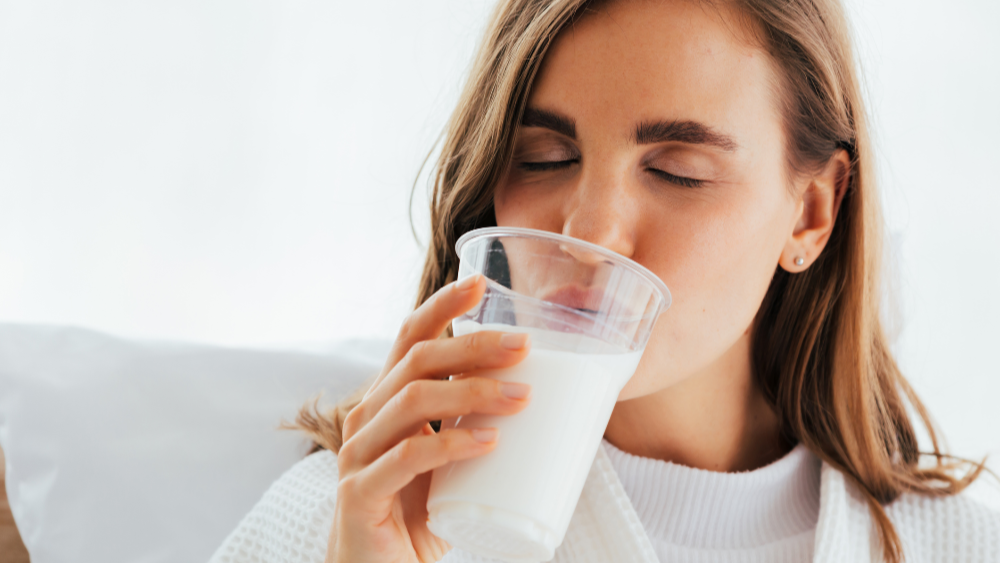
Considering a dairy-free diet? Here's what science-backed research suggests could happen to your body.
Eliminating dairy products can lead to noticeable health shifts. Before making the change, understand these five common effects supported by studies and nutritional insights:
Cheese contains tyramine, a natural compound linked to migraines and headaches in sensitive individuals. Cutting dairy like cheese may reduce these episodes. However, monitor your vitamin B2 (riboflavin) intake, as deficiency can trigger migraines too. Boost levels with non-dairy sources like mushrooms, almonds, and spinach.

Even without lactose intolerance, about 65% of the global population struggles to digest milk due to low lactase enzyme levels. Ditching dairy can ease digestion and bloating over time. Initial adjustments might cause temporary discomfort as your gut adapts.

Dairy hormones can interact with your body's own, boosting sebum production and clogging pores, which leads to acne. Going dairy-free often improves skin clarity. For best results, pair it with a balanced diet rich in whole foods.
Swapping creamy pastas, cheeses, and pizzas for nutrient-dense alternatives like spinach, kale, and white beans— all excellent calcium sources—can elevate your energy. A more varied, whole-food diet supports sustained vitality.
Cow's milk contains hormones like estrogen and progesterone that may influence your own hormonal balance, contributing to mood fluctuations. Removing dairy can stabilize moods for many people.
Image: Getty Images
Recipe: Vegan Carrot Mayonnaise
Breakfast Like an Emperor
Tired of Itching? 7 Ways to Get Rid of It
