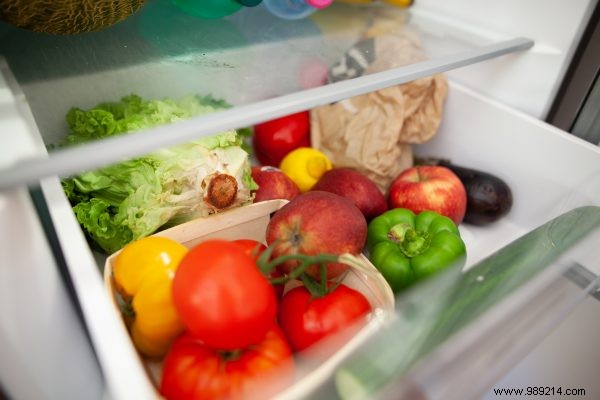
Is your fridge a jumble of overlapping items, or neatly arranged in trays and bins? If chaos reigns and you're ready for change, these proven tips—drawn from food safety best practices—will help you achieve an efficient, fresh-keeping setup.
The vegetable drawer is ideal for most produce. Leafy greens like lettuce thrive here thanks to optimal humidity control. Fruits can also go in this drawer for best results.
Place milk and yogurt cartons at the back of the refrigerator, where it's consistently cooler. Avoid extremes to prevent freezing. While milk holds up in the refrigerator door, other dairy needs steadier temperatures.
Store raw meat and fish at the bottom of the refrigerator. This keeps them fresh through their best-before date and prevents drips from contaminating other foods.

Keep butter, cheese, and eggs on the top or middle shelf. Jars and cans fit well up top too. Processed meat products belong in a dedicated meat container.
The middle shelf offers balanced temperatures—not too cold, not too warm—perfect for leftovers. Cool them thoroughly first and store in airtight containers. Familiar with these organizer trays?
Image: Getty Images
This is the most energy efficient refrigerator of the moment!
Washing bedding: almost everyone makes these four mistakes
7 things you recognize when you're friends
5 signs your sports bra needs to be replaced
