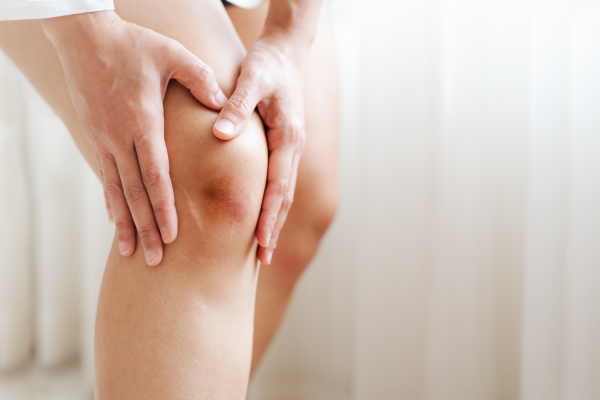
Ever discovered a mysterious bruise on your leg after a busy day? While a minor bump is the usual suspect, several factors can make you prone to easy bruising. As a health expert with years of experience reviewing common medical concerns, I've outlined 9 key reasons below, drawing from established medical knowledge. Remember, while most are benign, persistent bruising warrants a doctor's visit.
As we age, skin thins and blood vessels become more fragile. A light bump can now rupture capillaries, leading to noticeable bruises. This is a normal part of aging, but staying active and protecting your skin helps minimize it.
Read also: 'How do you take good care of your skin?'
Excessive sun exposure weakens blood vessel walls over time, making bruising more likely and often darker or longer-lasting. Always use broad-spectrum sunscreen (SPF 30+) and protective clothing to safeguard your skin's integrity.
Shortages in vitamin C, vitamin K, or iron impair blood clotting, causing larger bruises from minor impacts. If you spot unexplained dark bruises, consult your doctor for blood tests to check levels and recommend supplements if needed.
Certain drugs and supplements, like aspirin, ibuprofen, vitamin E, or fish oil, act as blood thinners, slowing clot formation. If bruising is frequent, review your regimen with your healthcare provider for safer alternatives.
The liver produces essential clotting proteins. Dysfunction leads to easy bruising and bleeding. Watch for symptoms like nausea, abdominal pain, loss of appetite, dark urine, pale stools, or jaundice (yellowing skin/eyes). See a doctor promptly if these occur.
Impaired kidneys reduce platelet production, increasing bruise risk. Often linked to high blood pressure or diabetes, it may cause reduced urination, fatigue, muscle cramps, or itchy skin. Get evaluated if symptoms align.
These conditions can destroy platelets or attack blood vessels, heightening bruising. Additional signs include chronic fatigue, joint pain, fever, or rashes. A medical diagnosis is crucial for proper management.
Issues like low platelet counts prevent effective clotting, leading to easy bruising, frequent nosebleeds, heavy periods, or bleeding gums. Not every bruise signals this, but discuss patterns with your doctor.
Rare but serious, conditions like leukemia can cause spontaneous bruises on hands or torso, plus fatigue, pallor, headaches, gum issues, weight loss, fever, or night sweats. Seek medical advice immediately—early detection saves lives.