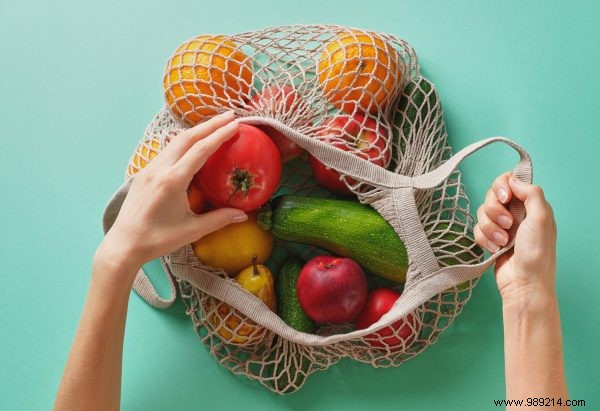
Filling your plate with fruits and vegetables, skipping added sugars, and avoiding alcohol sounds like a healthy approach. But crossing into obsession can harm your well-being. Here are key signs of obsessive eating behavior, often linked to orthorexia.
Read Eva's full experience in the January issue of Santé. She took healthy eating to extremes by following an alkaline diet exclusively.
"It began a year ago after reading an online article about alkaline foods. A quick search led me to the alkaline diet—no jarred or packaged foods, nothing processed, everything raw. Proponents claim it deacidifies the body and promotes health. The approved list included tomatoes, mangoes, apples, avocados, bell peppers, quinoa, millet, kamut, amaranth, cayenne pepper, and spelt. It seemed like pure, clean eating.
When I committed, I meal-prepped everything: breakfasts, lunches, snacks for the whole day. I carried my own food everywhere and ate lightly, reaching for homemade options whenever hunger struck.
I never bought food from stations or gas stops—I didn't trust it. At restaurants with friends, I'd scour the menu, hoping for something suitable. But it was usually 'No, because of this ingredient' or 'Not that one either.' Or 'I don't know the frying oil, so no.' Often, I'd skip eating entirely and order herbal tea or a smoothie. Wine was off-limits too, as it wasn't alkaline."
Read Eva's complete story and expert insights in the January issue of Santé!
