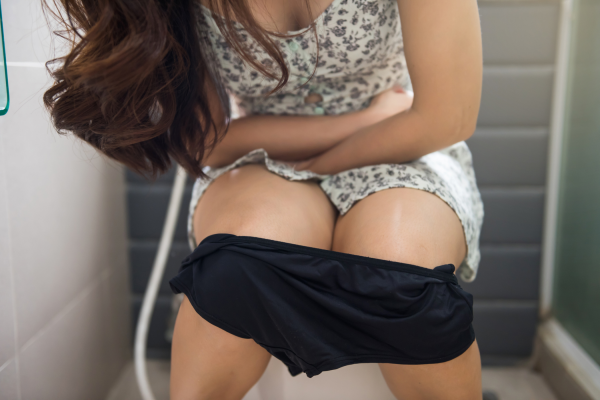
Many women notice shifts in their bowel habits during menstruation. If your poop changes with your period, you're not alone. Hormonal fluctuations play a key role. Here's how, based on established research—no need to worry.
During your period, diarrhea is common due to rising prostaglandins—hormone-like substances that soften the uterine lining. These trigger uterine contractions to shed the lining but can also contract the intestines, leading to cramps and looser stools.
Read also: 'Why are you so hungry before and during your period?'
Conversely, some experience constipation. While human studies are limited, preclinical research suggests estrogen slows gut motility. Elevated estrogen levels during menstruation may delay stool transit, promoting blockages. Progesterone likely contributes too.
Hormonal shifts spark cravings for sugary and fatty foods, which can disrupt digestion. To help, limit diarrhea triggers and prioritize high-fiber foods to ease constipation and support gut health.
Conditions like irritable bowel syndrome (IBS) or uterine fibroids amplify changes. A fibroid near the rectum, for instance, can press on it, causing constipation.
Studies link premenstrual emotional symptoms—like anxiety or depression—to more GI issues. The brain-gut axis explains how stress disrupts bowel habits during your cycle.
Source: Livestrong.com
