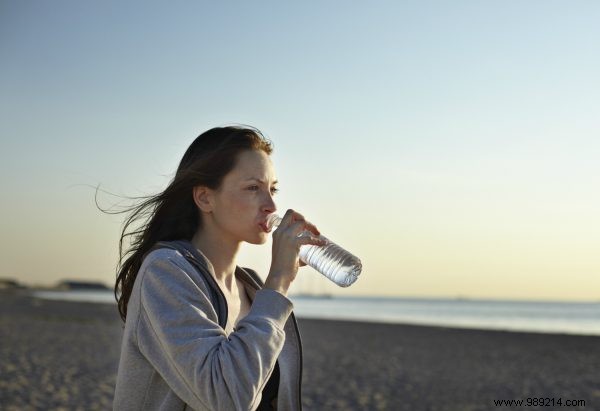
You prioritize healthy eating and portion control, yet you're still not satisfied with your health or weight. Have you considered if your drinks are healthy too?
Food isn't the only factor influencing your weight and well-being—your beverage choices matter just as much. The drinks you consume daily can add hidden calories and nutrients that sabotage your efforts. It's time for a closer look: which beverages support your health, and which ones don't?
Read also: '11 reasons to drink ginger water or tea'
Drinking serves two key purposes: maintaining fluid balance and delivering essential nutrients. Marianne Geleijnse, professor of nutrition and cardiovascular disease at Wageningen University, explains that adequate, healthy hydration prevents dehydration and lowers risks for conditions like heart disease, diabetes, and obesity.
"For optimal fluid balance, aim for 1.5 to 2 liters daily," Geleijnse notes. "Your body loses moisture through breathing, urination, sweating, and more. The first sign of insufficient fluids is reduced urination. Prolonged deficiency leads to drowsiness and less elastic skin. Hydration is crucial during intense exercise or hot weather, when losses accelerate."
Moisture is essential, but which drinks deliver it best? Water is a top choice—calorie-free and free of sugars or harmful additives. However, Geleijnse points out it's neutral: "You don't need to drink only water; all beverages contribute to hydration."
Coffee and tea offer more: as plant-based drinks, they provide bioactive polyphenols that support blood vessels and may protect against diabetes, alongside hydration.
The Health Council endorses coffee and tea as healthy options—3 to 6 cups daily is ideal. For coffee, choose filtered brews using a paper filter. "Unfiltered methods like percolators or espresso machines retain fatty substances that raise cholesterol levels," Geleijnse warns. Avoid adding sugar or poor-quality milk; black coffee and plain tea are best.
Concerns about diuretic or constipating effects are unfounded. "Caffeine mildly stimulates the bladder, but it doesn't cause net fluid loss," she says. Sensitivity varies: slower caffeine metabolizers may feel jittery or have sleep issues. Tea has less caffeine (about 30 mg per cup vs. 80 mg in coffee), but multiple cups add up.
Skip fruit juices—eat whole fruit instead. "Juices deliver quick sugars without satiety; chewing whole fruit slows intake and aids digestion," Geleijnse advises. Most juices, fresh or not, resemble sugary sodas.
Diet versions are preferable, avoiding sugars linked to obesity and diabetes. Aspartame is safe, with no evidence of cancer or other risks in long-term studies. However, both regular and diet sodas contain acids that erode tooth enamel.
Red wine was once touted for heart health, but it raises breast cancer risk. Geleijnse's guidance: "If you don't drink, don't start. If you do, limit to one glass of wine or beer."
Energy drinks pack empty calories, sugars, and short-lived caffeine boosts with no long-term benefits. High stimulants can be risky—always check labels.
For intense workouts, isotonic sports drinks replenish salts and carbs quickly. Basic activity? Water, coffee, or tea suffices, with extra hydration to offset sweat.
Sparkling water is as healthy as still, despite claims it triggers hunger hormones or erodes enamel—studies debunk these myths.
Black and green teas have similar caffeine (30 mg/cup). For none, choose herbal teas like rooibos or chamomile, made from herbs and spices, not tea leaves.
