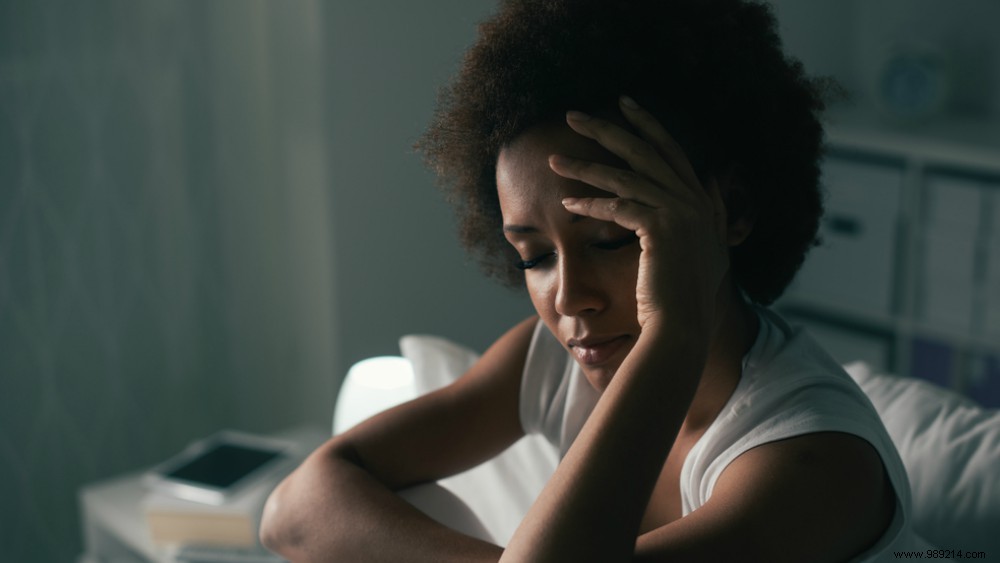
Struggling with stress and poor sleep, only to feel just as anxious the next day? Leading sleep researcher Eus van Someren from the Netherlands Institute for Neuroscience explains why: disrupted REM (Rapid Eye Movement) sleep plays a critical role.
During REM sleep, we experience vivid dreams that help process the day's events, including negative emotions. Restful REM sleep aids in resolving stress and fears, but restless REM does the opposite, trapping those feelings, as reported by RTLnieuws.nl.
Read also: If you don't sleep, do you rest anyway?
Sleep experts examined 30 good and poor sleepers using MRI scans and brain activity monitors. Participants listened to an embarrassing recording of themselves singing off-key karaoke. The amygdala—the brain's fear center—activated strongly, revealing feelings of shame.
The following day, they heard the same clip again. In good sleepers, the amygdala showed no response, indicating successful processing of the negative experience overnight. Poor sleepers, however, experienced strong amygdala activation once more, highlighting how inadequate sleep impairs emotional recovery.
