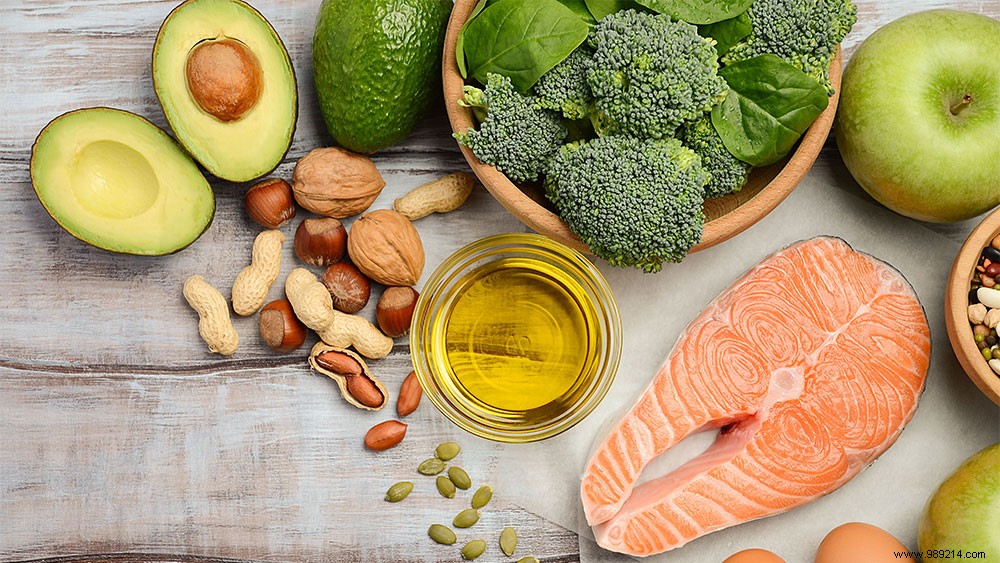
Omega-3 and omega-6 are essential fatty acids that your body cannot produce on its own, yet they play critical roles in health. Ensuring adequate intake of both supports overall well-being.
Fatty acids from omega-3-rich fish are linked to a reduced risk of cardiovascular disease, based on established nutritional research. Emerging studies suggest potential benefits for ADHD, learning disorders, depression, and dementia, though more evidence is needed. These fats are vital for building cell membranes, maintaining sharp vision, and supporting brain function. Insufficient omega-3 intake may lead to sleep disturbances, brittle nails, dry eyes, excessive thirst, frequent urination, and mood changes.
The primary omega-3s in oily fish—EPA (eicosapentaenoic acid) and DHA (docosahexaenoic acid)—offer the most direct benefits. Your body can convert alpha-linolenic acid (ALA), a plant-based omega-3 from flaxseed, hemp, walnuts, canola, wheat germ, and soybean oils, into EPA and DHA, but at a low efficiency of just 5% or less. For optimal results, prioritize oily fish like salmon, herring, mackerel, sardines, and anchovies. Fish oil supplements can help bridge gaps, but consult guidelines for effective use.
Linoleic acid, the most common omega-6, is abundant in sunflower oil, margarine, low-fat spreads, and cooking fats. Like omega-3, it helps lower cardiovascular risk. It's crucial for children's growth and development, while deficiencies in adults can result in dry, scaly skin.
Omega-6 intake is typically sufficient—averaging 14 grams of linoleic acid daily from common oils and spreads, exceeding the Health Council's recommendations of 4 grams for women and 6 grams for men. Omega-3 is more challenging: Adults need 200 mg of EPA and DHA daily, achievable with one weekly serving of oily fish. Women require 2 grams of ALA, men 3 grams. Many fall short in practice.
Online discussions often highlight the omega-6 to omega-3 ratio, noting that most diets favor omega-6, potentially fueling inflammation. However, Prof. Ronald Mensink, expert in molecular nutrition at Maastricht University, states there's no robust scientific evidence for harm or an ideal ratio. Factors like including plant-based ALA complicate calculations. The Health Council prioritizes meeting individual omega-3 and omega-6 needs over ratios, as Mensink affirms.
This article previously appeared in the February 2018 issue | Text: Marte van Santen | Image: Shutterstock
