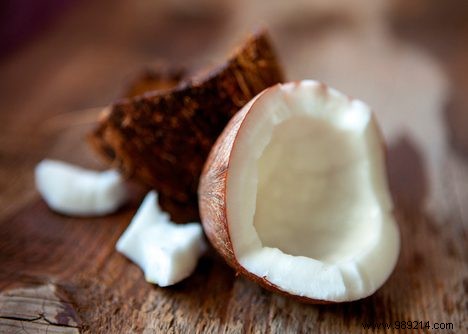
From coconut water as a natural sports drink to shredded coconut in your oatmeal, this tropical superfood offers countless reasons to incorporate it into your diet.
About the Coconut
A coconut isn't a nut—it's a drupe from the coconut palm tree. It features four layers: the brown fibrous husk, outer skin, white pulp, and refreshing inner water. Enjoy it fresh or processed into coconut milk, oil, or flour.
Key Health Benefits
Coconut fats are heart-healthy and won't spike your blood sugar. Coconut water serves as an excellent thirst quencher, while the fruit itself acts as a natural beauty booster.
Coconut Water vs. Coconut Milk: Know the Difference
Coconut water is the clear liquid naturally found inside young coconuts. Coconut milk, however, is made by blending the grated pulp with water.
How to Select a Ripe Coconut
Look at the three 'eyes' where it hung from the tree—if they're soft or open, it's likely spoiled; pick another. Shake it: you should hear plenty of sloshing water if it's ripe.
Did you know… coconut water makes an ideal sports drink?
What's Inside Coconut
Kilocalories: 45 kcal per 250 ml coconut water, 389 kcal per 100 gram coconut.
Saturated fat: a coconut consists of 90% saturated fat. As an exception, this saturated fat is healthy, because it promotes the absorption of nutrients.
Unsaturated fat: good fatty acids that protect you against cardiovascular disease. Fiber: makes you feel full and promotes bowel movements.
Lauric acid: is converted by our body into monolauric acid and is also found in breast milk. It kills bacteria and viruses.
Vitamins: especially vitamins B and C.
Minerals: especially folic acid, potassium, zinc, magnesium, phosphorus and iron.
Protein: help the body cells to recover.
Carbohydrates: provide energy to the body.
Isotones: supply body cells with water.
Source: Archive | Image: Shutterstock
