Glyphosate, a widely used herbicide produced by Monsanto, is classified as a probable carcinogen by the World Health Organization's International Agency for Research on Cancer (IARC).
A study by researchers at the University of La Plata in Argentina found glyphosate in 85% of cotton-based personal care products.
Additionally, 62% of samples tested positive for AMPA, a glyphosate metabolite. Products tested included gauze, cotton swabs, wipes, and feminine hygiene items like tampons and sanitary napkins, purchased from supermarkets and pharmacies in Argentina's Plata region.
Findings were presented at the 3rd Congress of Physicians of Cities Treated by Fumigation in Buenos Aires.
“85% of all samples tested positive for glyphosate, but in the case of cotton and sterile cotton gauzes, the rate is 100%”, said Dr. Damian Marino, the study's lead researcher, in an interview with Telam news agency.
“We observed that AMPA dominates in raw cotton (39 parts per billion – ppb – and 13 ppb for glyphosate). Although the gauze does not contain AMPA, its glyphosate content is still 17 ppb.”
Dr. Medardo Avila Vazquez, congress president, noted: “These results are concerning because cotton and gauze are used to treat wounds or for hygiene, assuming they are sterile. Instead, they are contaminated with a probable carcinogen.”
Much of Argentina's cotton is genetically modified for glyphosate resistance, applied directly to opening buds, allowing residues to enter the plant.
Glyphosate is the active ingredient in Roundup, the most used herbicide in U.S. agriculture. According to the U.S. Geological Survey, farmers applied 1.2 billion kilos of glyphosate-based herbicides on U.S. cropland from 1992 to 2012.
In 2015, the U.S. Department of Agriculture reported that genetically modified varieties accounted for 94% of cotton acreage.
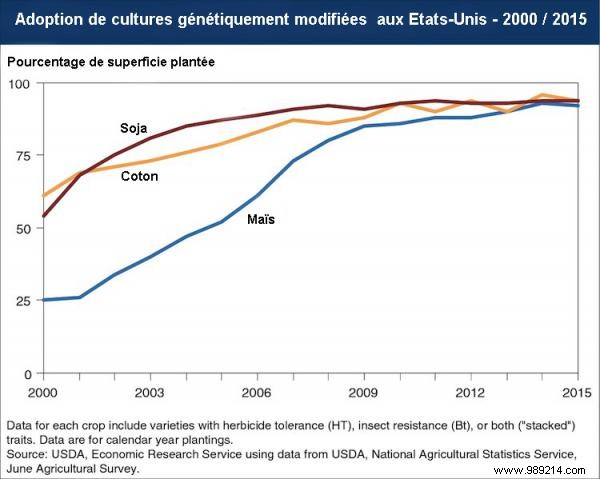
This graph illustrates the rise in genetically modified corn, soybeans, and cotton cultivation from 2000 to 2015.
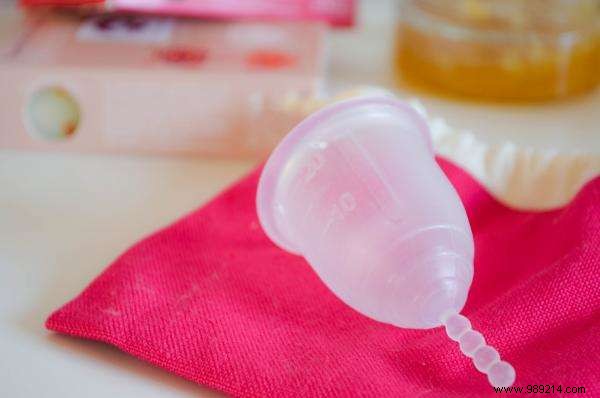
Consider switching from tampons: Menstrual cups, washable pads, or natural sponges offer safe options.
Organic tampons made from unbleached, chlorine-free organic cotton without plastics or fragrances are also available at pharmacies, health stores, or online.
Note: A French petition demanding composition labels on tampons from a major brand has garnered over 265,211 signatures.
