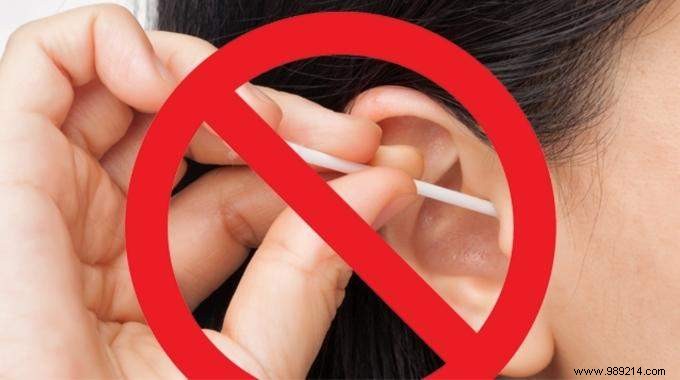
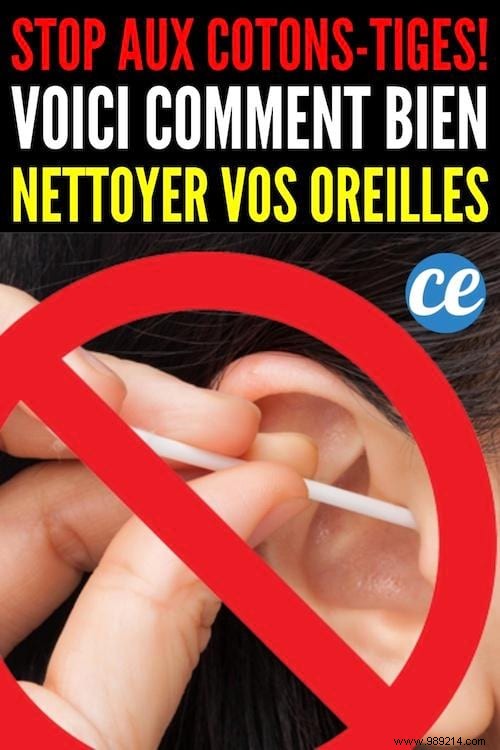
Do you reach for cotton swabs to clean your ears? Proceed with caution—these tools can pose serious risks to your ear health. ENT specialists unanimously advise against them.
What are the dangers? What safer alternatives exist? How can you clean your ears effectively and how often? We'll cover the best natural methods for safe ear cleaning.
It's common to use cotton swabs for earwax removal—even on babies—but never insert them into the ear canal. This warning is printed on every box: "Do not insert into the ear canal."
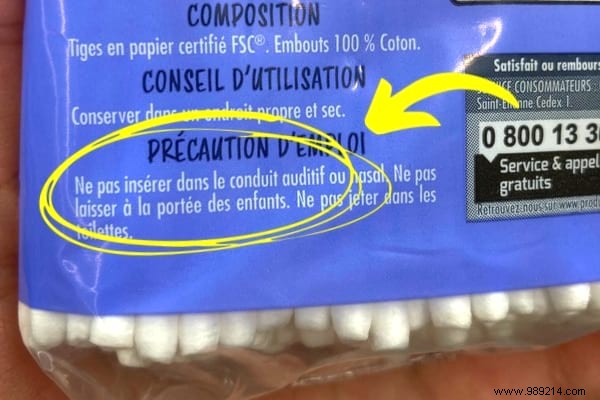
Cotton swabs don't clean—they push earwax deeper into the canal, where it compacts and hardens, potentially forming plugs as solid as rock. Worse, inserting them too far can tear your eardrum.
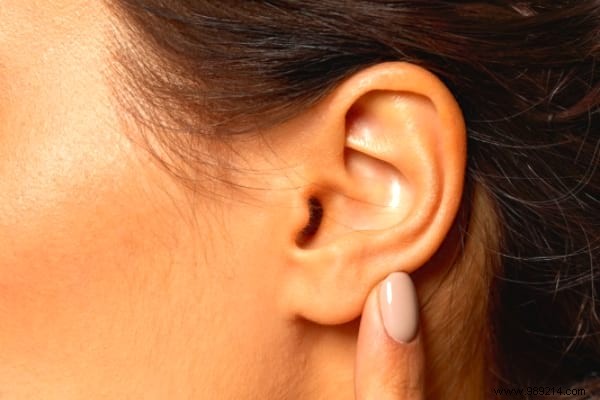
Ear experts recommend: do nothing to the ear canal. Ears are self-cleaning organs. Nature handles it—no sprays, devices, or ear candles needed. Only clean the outer ear.
In the shower, use soapy water on the outer ear, then dry with a towel or tissue wrapped around your finger. Here's how:
Your finger won't reach deep enough to cause harm—the canal is narrower.
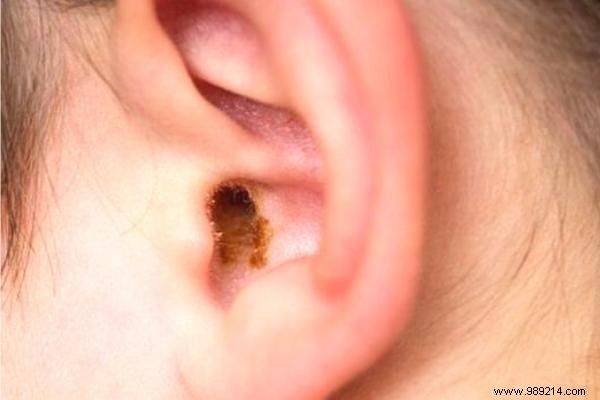
Earwax isn't dirt—it's a sterile, protective secretion that traps bacteria and germs. Ears migrate it outward naturally, like a conveyor belt. No need to remove inner wax.
Clean the outer entrance every 10 to 15 days—that's plenty.
Ban cotton swabs. For excess wax (common with earplugs, headphones, or hearing aids), clean quarterly. Here are safe, natural methods:
Shower water softens wax naturally.
Tilt head (affected ear up), add a few drops of warm water, then tilt to drain. Works in bath too—wring a washcloth over the ear.
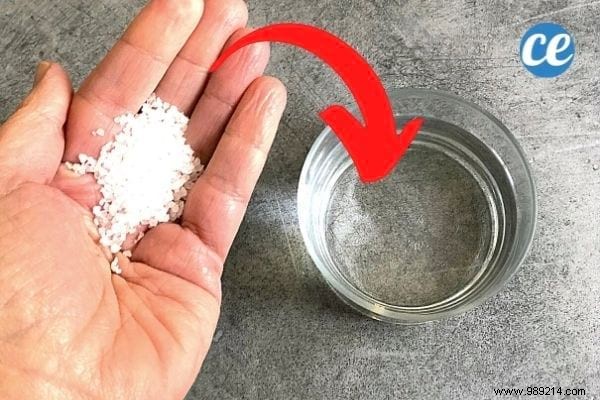
Mix 1 tsp salt in 125 ml hot water. Soak cotton, drip into tilted ear, wait 5 minutes, drain. Repeat for other ear.
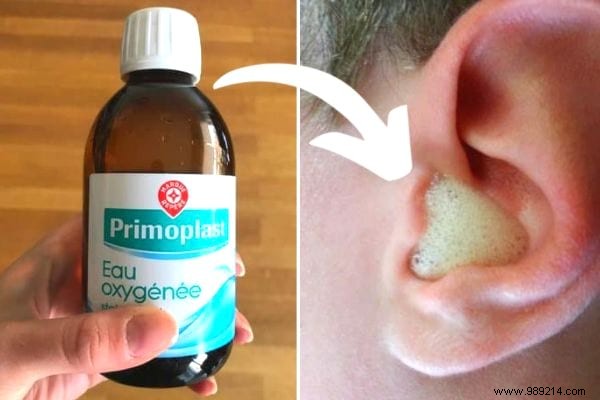
Warm 10-volume peroxide in hot water bowl (not microwave). Drip a few drops via dropper or cotton into tilted ear, wait 5 minutes, drain. Dilute with equal hot water if preferred.
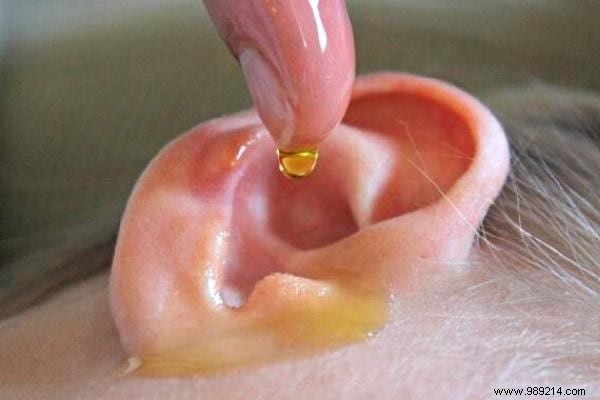
Warm oil (almond, jojoba, or olive) in hot water bowl. Drip 3-4 drops per ear, plug with cotton if needed, wait 10 minutes, drain, wipe gently.
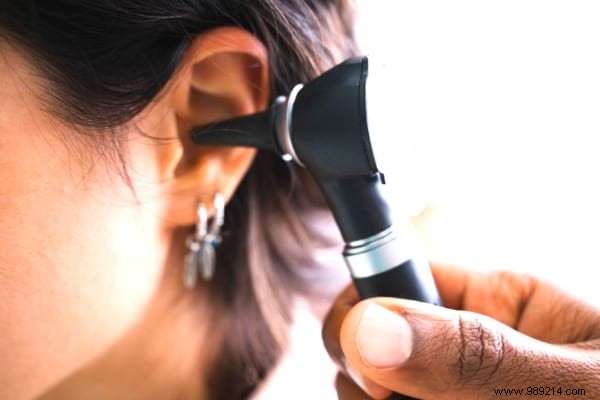
These methods are safe, but see a doctor for: ear blockage, itching, pain, or hearing loss. They remove plugs professionally. Hearing aid users: consult your specialist first.
