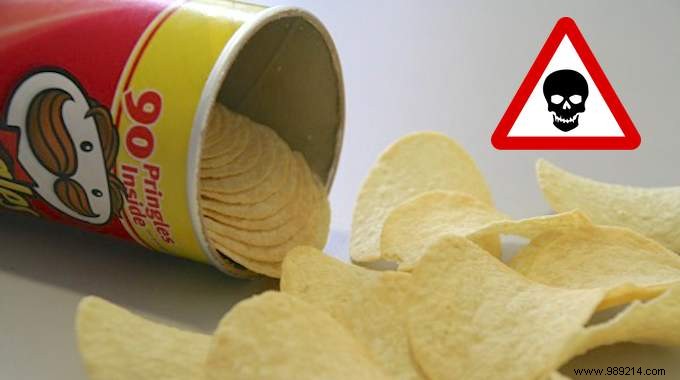
Like many snack lovers, I enjoyed Pringles for their addictive crunch and stackable shape—until I delved into their production process as a nutrition researcher.
Here's a key fact: Pringles are not made primarily from potatoes. This isn't speculation; the manufacturer themselves admitted it during a 2008 UK court case. Procter & Gamble argued that with only about 42% potato content, Pringles shouldn't be taxed as potato crisps but as a snack food—and they won.

So, if not potatoes, what are they made of?
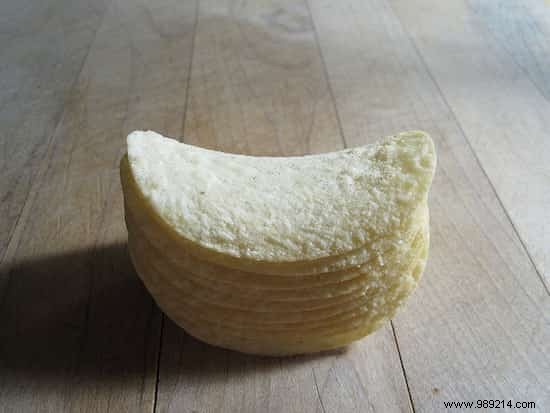
The process starts with a doughy slurry of dehydrated potato flakes, rice flour, wheat starch, and corn flour, mixed with water and seasonings. This paste is rolled flat, cut into their signature saddle shape for easy stacking, and moved along a conveyor.
Next, the shapes are fried in oil, dried, and sprayed with flavor powders before being stacked into those iconic tubes. While efficient, this industrial method raises health flags common to many processed snacks.
Chips appeal for their taste and texture, but research shows fried snacks often harbor high levels of harmful compounds, regardless of whether they're potato-based.
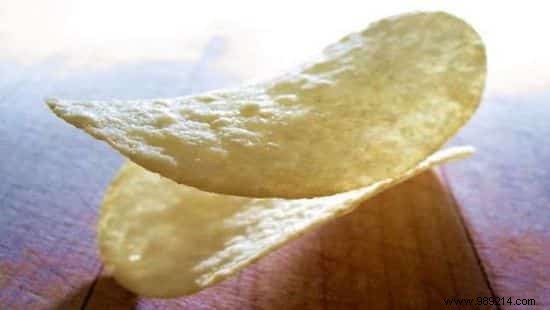
One major concern isn't an added ingredient but a byproduct: acrylamide, a neurotoxin and probable carcinogen formed during high-heat cooking (above 120°C/248°F) of carb-rich foods like frying or baking.
Chips and fries top the list for acrylamide levels, per studies from the FDA and EU's EFSA. It's created as food surfaces brown and crisp.
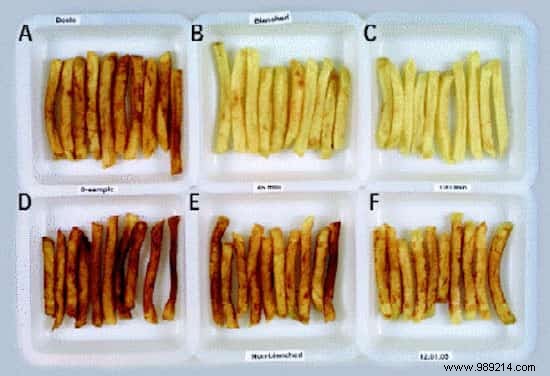
Acrylamide appears in:
- Potatoes: Chips, fries, roasted forms.
- Cereals: Toasted breads, cereals, snacks.
- Coffee: Roasted beans (note: chicory substitutes like Ricoré have 2-3x more).
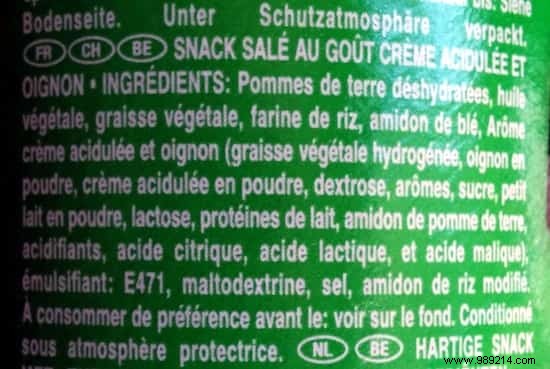
Pringles' long ingredient list—over 14 items—loses most natural nutrition during processing. They're fried in vegetable oils high in unhealthy fats, plus additives that boost flavor and encourage overeating by hitting bliss-point triggers.
High starch, fat, and low water content make them dehydrating and hard to digest, especially as late-night snacks. Occasional indulgence is fine, but regular consumption links to poor sleep, bloating, fatigue, and long-term risks.
For alternatives, try homemade popcorn with olive or flaxseed oil, or oven-baked sweet potato fries (watch portions).
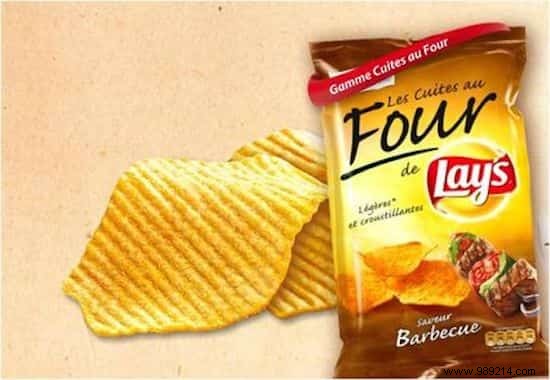
Even 'healthier' baked chips can have up to 3x more acrylamide than fried ones, per FDA data, since baking also hits high temps. All chips carry acrylamide risks and can spike insulin.
High-heat cooking forms over 800 compounds, with 52 potentially carcinogenic, per the EU's HEATOX study. Home cooking minimizes exposure vs. industrial or restaurant methods.
Implementing guidelines could cut acrylamide by 40%. Other toxins include:
Heterocyclic amines (HCAs): In charred grilled meat—trim black parts.
Polycyclic aromatic hydrocarbons (PAHs): From fat drippings smoking onto food.
Advanced glycation end-products (AGEs): Build up from high-heat, linked to inflammation, diabetes, heart disease.
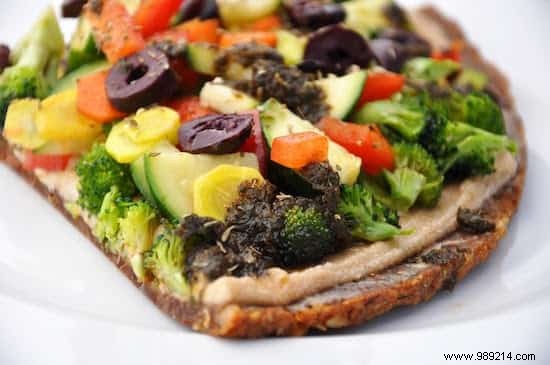
Prioritize raw or minimally processed foods—aim for 1/3 raw in your diet. I've found eating 80% raw boosts energy and health markedly.
Start by cutting fries/chips, sodas (even diet), and supermarket baked goods.
Opt for raw organic veggies, grass-fed meats, healthy oils, raw dairy, nuts, and free-range eggs. Unprocessed foods fuel better health, weight loss, and satisfaction.
Home cooking rivals fast food speed once habitual, saves money, and improves well-being.
More tips: Need Energy? 15 Healthy Snacks to Take Anywhere. 20 ZERO Calorie Foods To Help You Lose Weight. The 15 Foods RICHEST in Plant Protein.
