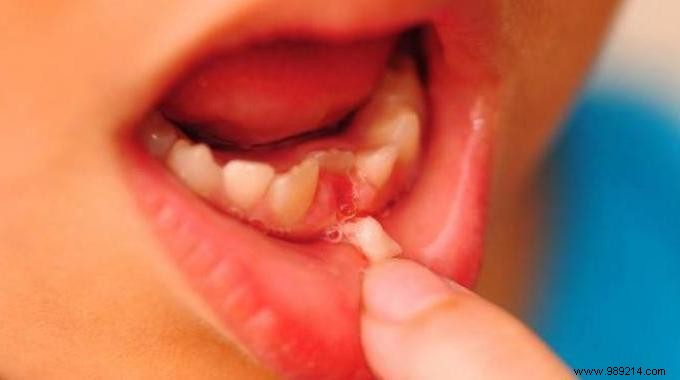
Losing a baby tooth is an exciting milestone for children—showing friends the wiggly tooth and finding coins from the tooth fairy under the pillow.
As parents, though, it's worth considering preserving those teeth for potential long-term health benefits.
Research led by Dr. Songtao Shi at the National Institute of Dental and Craniofacial Research highlights the value of baby teeth. Their pulp contains stem cells capable of regenerating neurons, bones, cartilage, and even heart tissue.
These versatile stem cells hold promise for treating numerous conditions your child might face later in life.
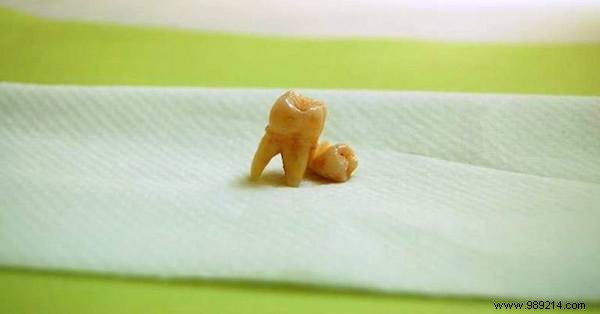
Currently, diseases like Hodgkin's lymphoma, leukemia, and multiple myeloma often require painful bone marrow transplants. Emerging science suggests using a child's own dental stem cells as a gentler alternative.
While no concrete clinical treatments exist yet, the potential has sparked great interest among parents and researchers.
For comparison, many U.S. parents bank umbilical cord blood stem cells at birth for around €1,900. However, this option is only available immediately post-delivery.
Companies like Provia Diagnostics offer "Store-A-Tooth," storing stem cells from baby teeth for about €700—a more accessible choice for later opportunities.
Key requirement: Teeth must be frozen and stored within 48 hours of falling out to preserve viable cells.
In France, this service is not yet authorized, but it's available in Switzerland and the UK.
The next baby tooth your child loses could hold lifesaving potential in 10 or 20 years. Though treatments aren't available today, rapid advances in stem cell research make preservation a forward-thinking step.
