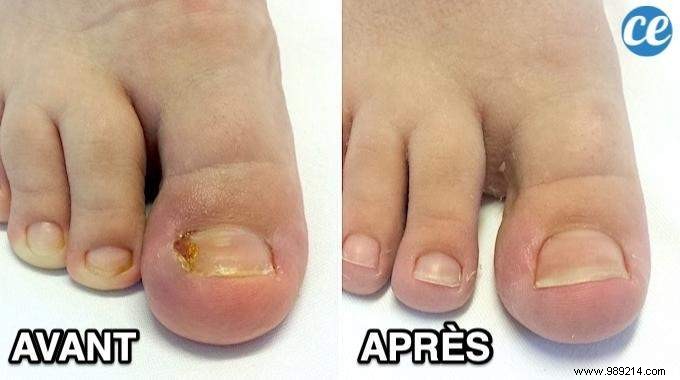
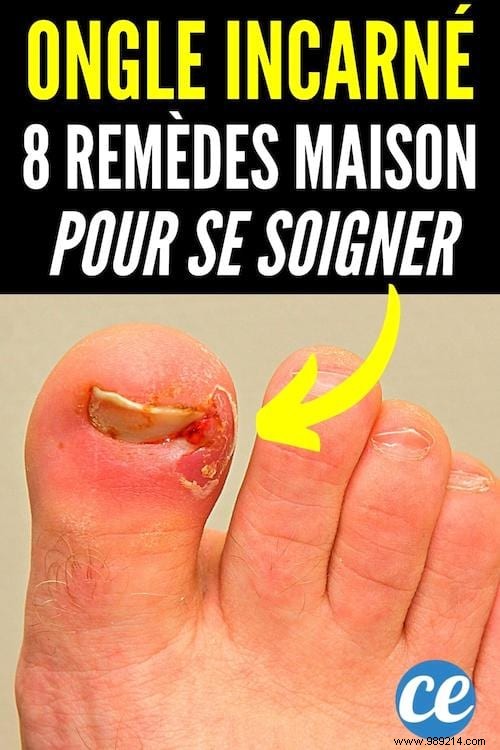
Many underestimate ingrown toenails, viewing them as minor issues. However, they can lead to serious infections like paronychia if untreated. As a podiatry expert with years of experience treating foot conditions, I emphasize early intervention. Here are 8 effective home remedies to resolve an ingrown toenail, often within a week, without needing a prescription.
 Contents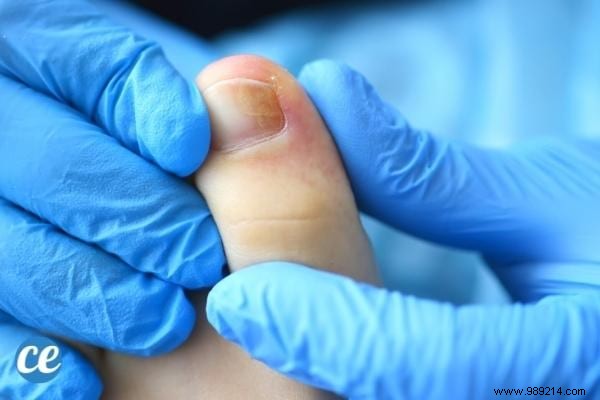
An ingrown toenail develops when the nail edge grows into surrounding skin, creating a painful depression. Symptoms include sharp pain, redness, and swelling, most commonly on the big toe. This common condition affects all ages and genders.
Key causes include:
- Cutting nails too short or at an angle
- Tight shoes or socks
- Trauma, like stubbing your toe
- Repetitive stress, such as in runners
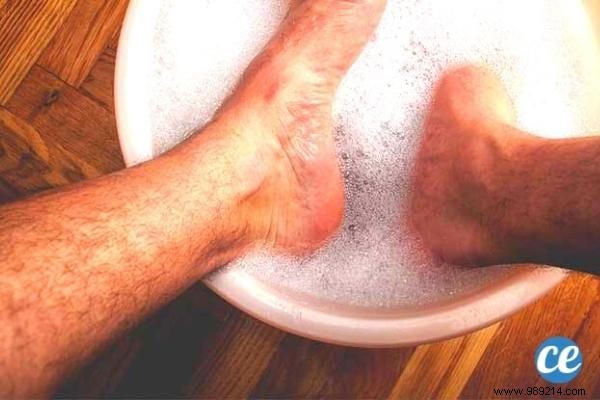
This simple soak reduces swelling and eases pain. Use warm, soapy water—opt for natural soaps like Marseille or Aleppo—for 3 times daily, up to 20 minutes each. Add Epsom salts if available for extra relief.

Apple cider vinegar's antiseptic and anti-inflammatory properties are well-documented. Mix 50-75 ml into lukewarm water and soak for 15-20 minutes daily. Dry thoroughly afterward.
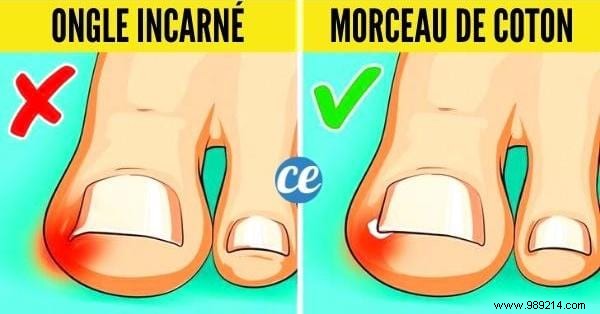
After soaking, gently lift the ingrown edge and place sterilized cotton or dental floss underneath. This encourages the nail to grow over the skin. Soak the cotton in alcohol first to prevent infection.
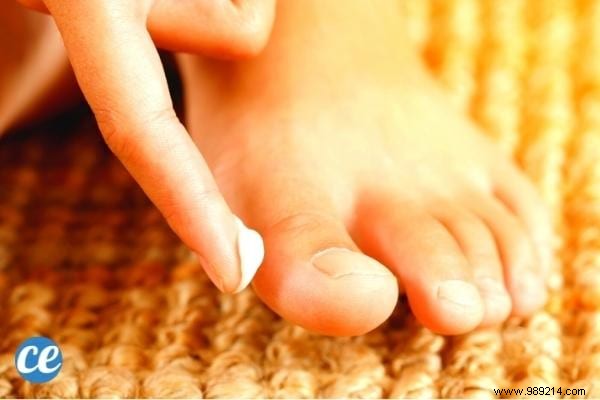
Over-the-counter antibiotic creams like Fucidin, Aureomycin, or Neomycin promote healing and fight infection. Apply 3 times daily as directed, covering with a bandage.
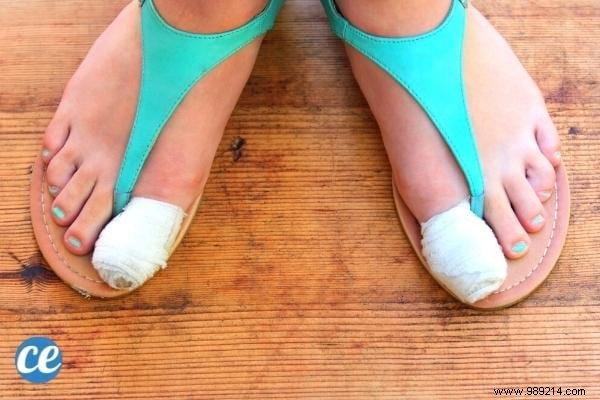
Tight footwear exacerbates the issue by compressing toes. Switch to wide shoes and loose socks allowing free movement. Open-toed sandals are ideal during healing.

Paracetamol (e.g., Doliprane) relieves pain; ibuprofen addresses pain and swelling. Follow dosage instructions and consult a pharmacist if needed.
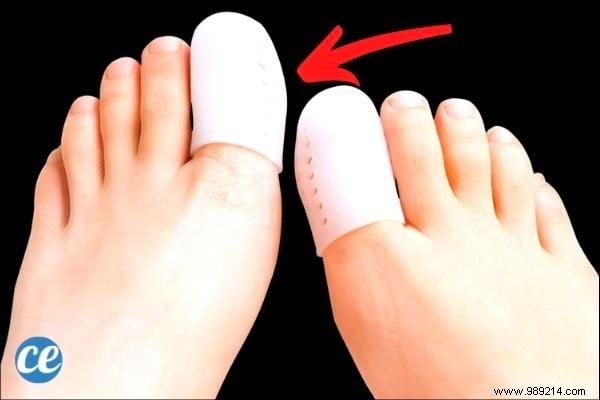
Toe guards—rings or tubes—cushion the area from shoe pressure, acting as a protective barrier until healed.
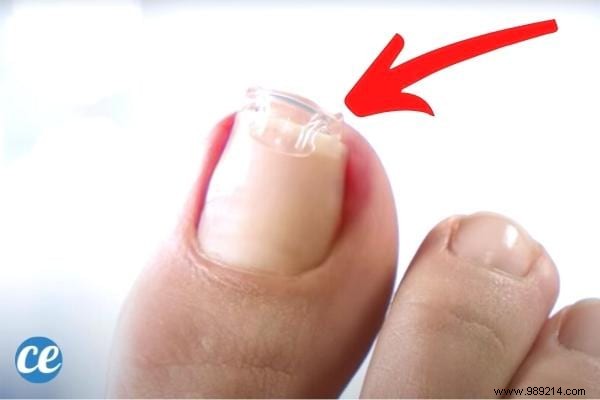
This thin composite device clips onto the nail edge, gradually straightening growth and lifting it from the skin. Available at pharmacies or online.

Antibiotics are reserved for infections, especially in those with diabetes, heart disease, or weakened immunity. Infection signs: intense redness, pus, warmth, or foul odor.
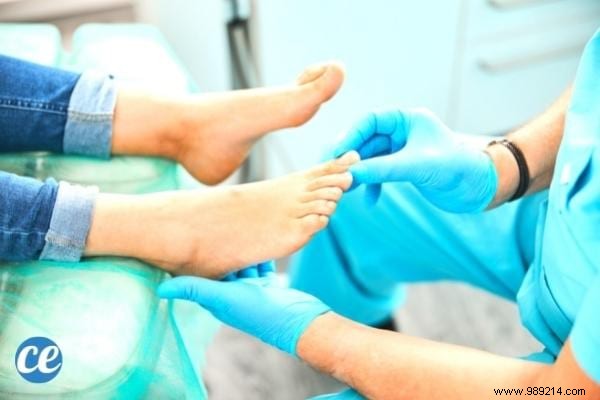
For recurrent cases, minor surgery under local anesthesia removes the offending nail section and corrects curvature to prevent recurrence.
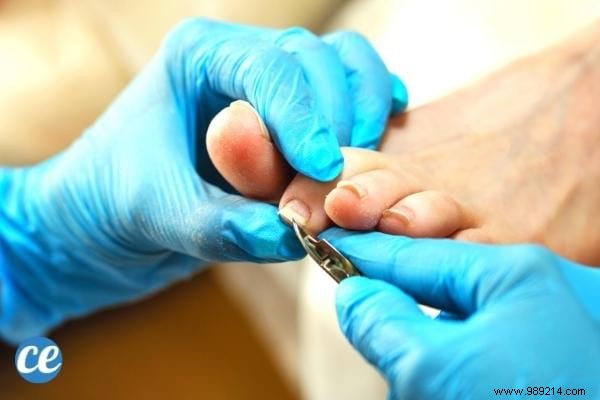
Seek medical advice immediately if you have chronic conditions like diabetes, or if pain/swelling worsens, pus appears, or home remedies fail.
Most cases resolve in about a week with proper care, but prevention is key.
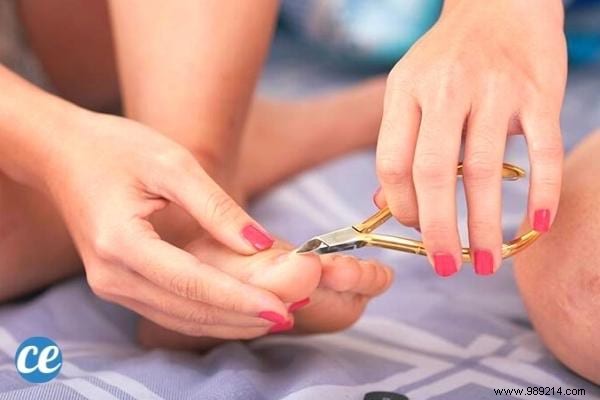
Cut nails correctly to minimize risk.
1. Use nail scissors for precision and to follow the nail's curve.
2. Disinfect tools before use.
3. Trim after bathing when nails are soft.
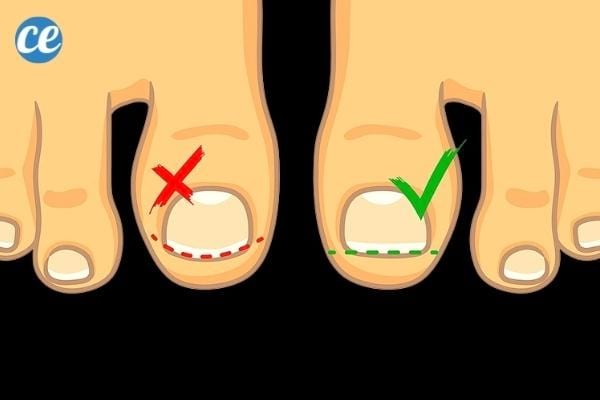
4. Cut straight across, leaving edges slightly longer.
5. File smooth to avoid sharp fragments.
