
Vaginal odor affects millions of women worldwide, including me at one point. It's often not due to poor hygiene but factors like heavy discharge, sexual activity, or menstrual cycles that disrupt vaginal flora balance, leading to infections.
Left untreated, these can cause strong, unusual smells. Fortunately, my trusted gynecologist shared proven natural strategies to address it effectively. Here are 12 grandmother-approved tips for lasting relief:


After using the toilet, always wipe from front to back. This simple habit prevents bacteria from the anus from reaching the vulva, reducing the risk of infections.

Urine has a strong odor that intensifies when it lingers. Thoroughly dry any drips or leaks—common after sneezing, laughing, or during pregnancy—to avoid maceration and smells. If frequent, consult your doctor for tailored solutions.
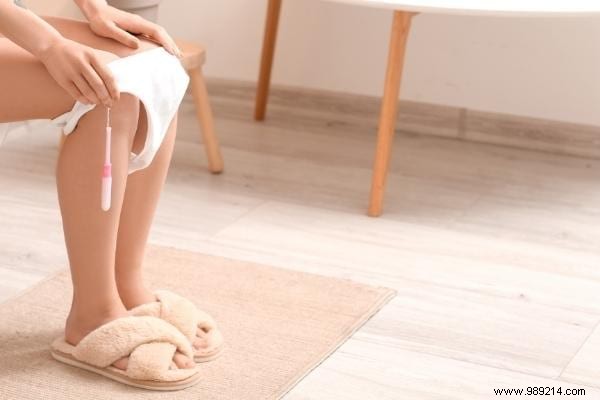
Change tampons every 4-6 hours during your period. Leaving them in longer heightens odor risk and can lead to serious infections like toxic shock syndrome. If forgotten, see your gynecologist for disinfecting ovules or try organic apple cider vinegar rinses.

Sexually active? Urinate right after intercourse. Penetration can introduce bacteria to the urethra, risking infections. Peeing flushes them out, along with semen, which alters vaginal pH. Follow with a gentle wash and consider apple cider vinegar to restore balance.

The vagina self-cleanses, but wash the vulva twice daily, especially with odor issues. Stick to the exterior—avoid internal douching, deodorants, wipes, or scented paper to protect natural flora.

Opt for mild, neutral pH soap from pharmacies. Harsh products disrupt microorganisms, causing infections. Gentle soaps effectively combat sweat and odors without harm.

Avoid tight jeans and synthetic panties, especially in heat or if overweight, as sweat traps in folds. Choose loose clothing, skirts, dresses, and cotton underwear. Thoroughly dry the perianal area after washing.
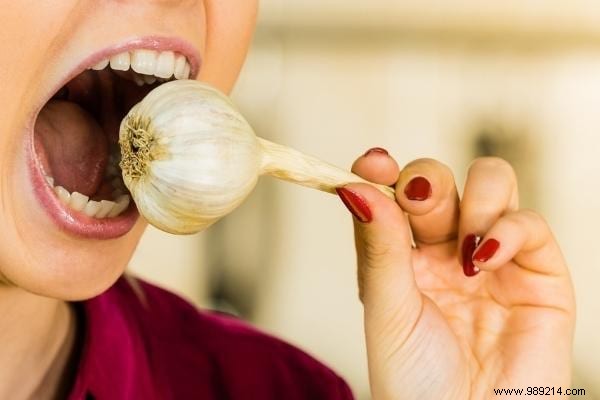
Foods like garlic, onions, and peppers can influence vaginal discharge odor, just as they affect urine. Reduce them temporarily if odor persists alongside these hygiene tips.
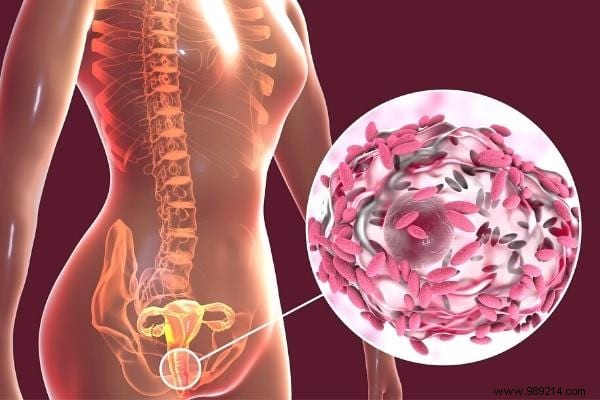
Bacterial vaginosis, caused by overgrowth of Gardnerella vaginalis, produces a fishy smell, irritation, and discharge. Consult a doctor for imidazole antibiotics or ovules.

Trichomoniasis, an STI, causes plaster-like odor with yellow discharge, itching. Treat with imidazole antibiotics—partners need treatment too.

Genital herpes triggers painful sores and odors from viral infection. It's lifelong but often dormant post-treatment. See a doctor promptly.

Candida albicans causes yeast infections with white discharge and itching, but no distinct odor in most cases (80%). Use prescribed antifungal creams and ovules.
Maintain good hygiene
Use a soft washcloth (not loofah) with mild, neutral pH soap on the exterior. Rinse inner labia with water only—the vagina cleans itself. Avoid perfumed products.
Switch to cotton underwear
Breathable cotton wicks moisture, preventing bacterial imbalance unlike synthetics.
Try a vinegar bath
Add 1-2 cups apple cider vinegar to a warm bath; soak 20 minutes to reduce bacteria naturally.
Eat balanced, stay hydrated
Prioritize fruits, veggies, grains, proteins, and water for overall vaginal health.
Wash before and after sex
Minimize bacteria from lubricants or condoms to preserve flora.
