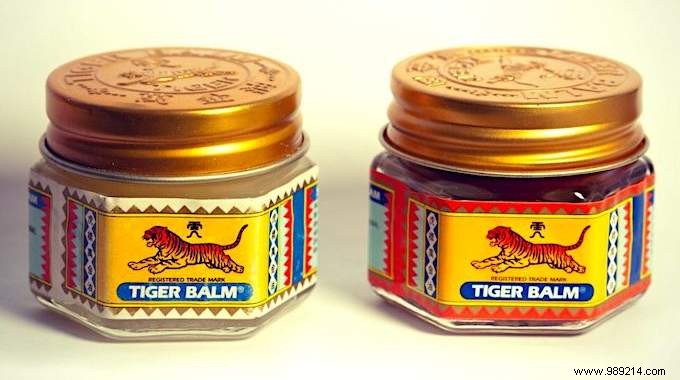
Discover my simple, all-natural recipe for homemade Tiger Balm, refined through a year of personal use. As someone who's relied on this versatile Asian ointment for years, I've found its benefits—from soothing headaches to easing muscle tension—truly remarkable. Explore its many uses here.
I've crafted my own version using a trusted grandmother's formula that's straightforward, effective, and perfect for everyday aches. Here's how to make homemade Tiger Balm:
Contents
- Ingredients
- How to Make It
- Results
- Additional Tips
- Benefits of Homemade Tiger Balm
- My Experience
- Why It Works
- Precautions
Ingredients
- 20 ml macadamia oil
- 20 g shea butter
- 4 g beeswax
- 4.4 g camphor crystals
- 7 drops cajeput essential oil
- 7 drops cinnamon bark essential oil
- 7 drops clove essential oil
- 7 drops niaouli essential oil
- 7 drops peppermint essential oil
- 6 drops vitamin E
- 70% alcohol (for disinfecting)
- 50 ml jar or pot
- Saucepan, spoon, spatula, heatproof bowl, digital scale
How to Make It
Prep time: 15 minutes | Cook time: 5 minutes
- Disinfect all utensils with 70% alcohol.
- Weigh out each ingredient precisely.
- Fill the saucepan with water and place the heatproof bowl on top to create a double boiler.
- Heat the water to a gentle simmer.
- Add the beeswax to the bowl.
- Allow it to fully melt.
- Pour in the macadamia oil.
- Add the camphor crystals (crumble if in cubes).
- Stir until the mixture is completely liquid, clear, and residue-free.
- Remove the bowl from the heat.
- Let the mixture cool slightly.
- Add all essential oils.
- Mix thoroughly.
- Stir in vitamin E.
- Pour into your sterilized 50 ml jar.
Results
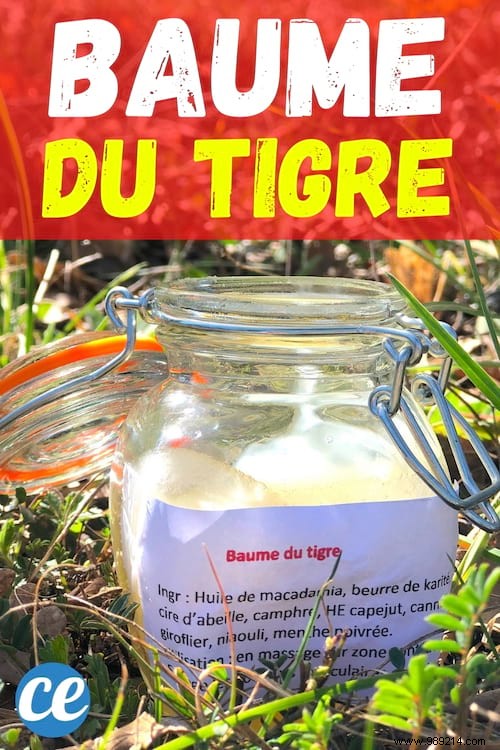
Your homemade Tiger Balm is ready to use! This recipe is quick, affordable, and uses readily available ingredients. In my experience, it matches the effectiveness of store-bought versions—especially for back pain—while being 100% natural with full transparency on ingredients.
Additional Tips
- Camphor can be used as crystals (crumbled) or essential oil.
- Essential oils are diluted to 2% for safety.
- Avoid heating essential oils above 30°C (86°F) to preserve their properties.
Benefits of Homemade Tiger Balm
This balm offers proven relief based on its traditional uses:
- Eases stubborn headaches
- Soothes muscle/joint tension, back pain, and minor aches
- Relieves bruise or impact pain
- Helps sprain discomfort
- Boosts circulation
- Combats fatigue
- Aids sore throats and colds
My Experience with This DIY
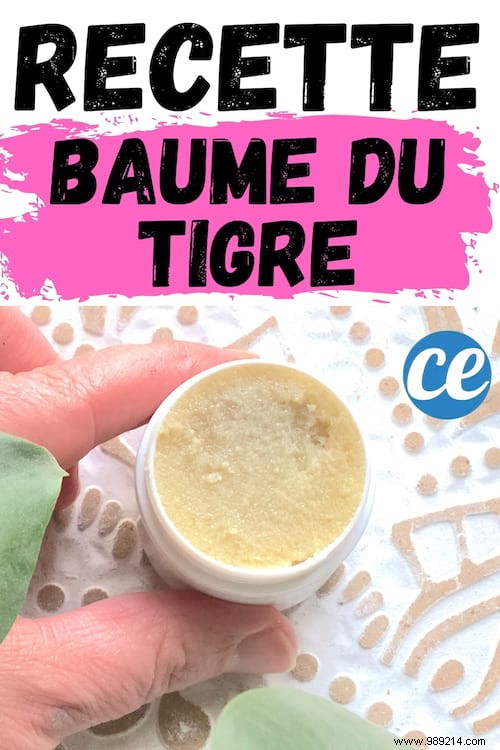
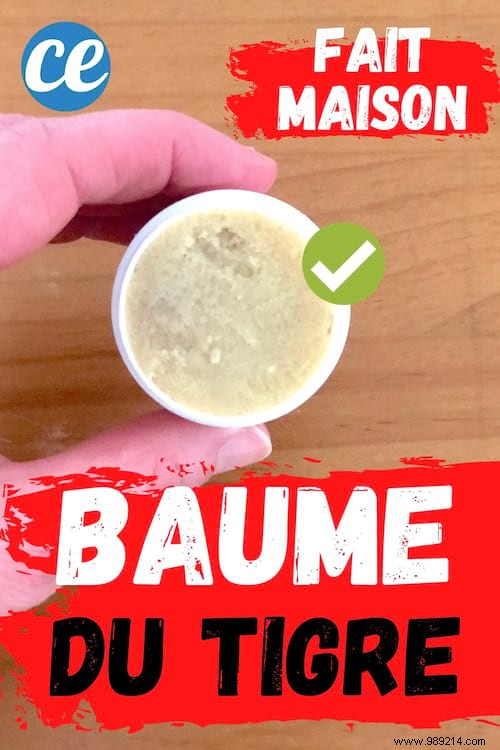
While it lacks the color of commercial Tiger Balms, its natural composition delivers comparable results. Note: It doesn't have the signature hot/cold sensation—add 4 g mint crystals during melting for that effect. I prefer this over other recipes for its simplicity and reliability.
Why It Works
Its effectiveness stems from time-tested natural ingredients:
- Macadamia oil: Enhances microcirculation
- Shea butter: Provides texture and soothes skin
- Beeswax: Firms the balm
- Camphor: Antiseptic, anti-infectious, heart tonic
- Cinnamon bark EO: Antiviral, circulatory stimulant
- Cajeput EO: Antiseptic, respiratory aid, pain reliever
- Clove EO: Stimulating, improves circulation
- Niaouli EO: Purifying, eases breathing, boosts circulation
- Peppermint EO: Cooling, analgesic, circulatory
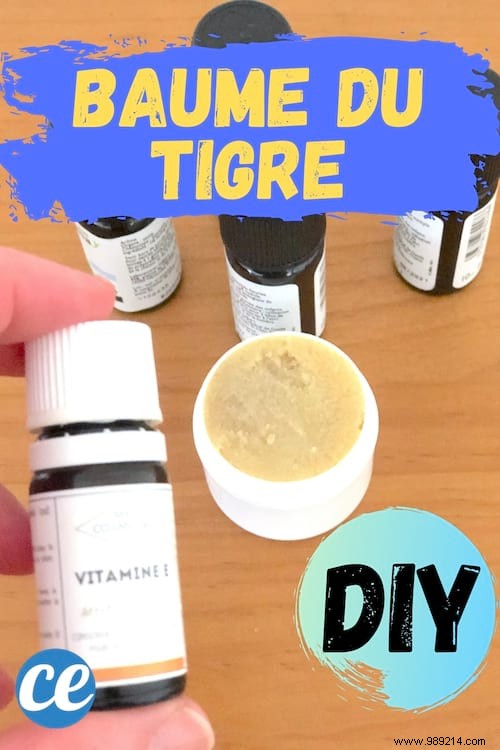
- Vitamin E: Preserves freshness, prevents rancidity
Ready to try this natural powerhouse?
Important Precautions
Essential oils are potent—use responsibly. Not recommended for pregnant/breastfeeding women, children under 10, or babies. Always consult a doctor, pharmacist, or aromatherapist first. Full precautions here.
