Concerned about the chemicals in commercial fragrances? Seeking a natural alternative? This straightforward recipe lets you create your own perfume safely.
With just vodka and essential oils, you can make a homemade perfume that's both effective and affordable—saving you money compared to store-bought options.
It's surprisingly easy, as you'll see.
I've successfully eliminated many toxic products from my daily routine, including cleaners, shower gels, shampoos, and detergents. Fragrances were next.
Historically, perfumes were distilled from flowers without chemicals, much like pure essential oils today—authentic and natural.
Modern commercial perfumes, however, often deviate from this purity. Here's what they typically contain:
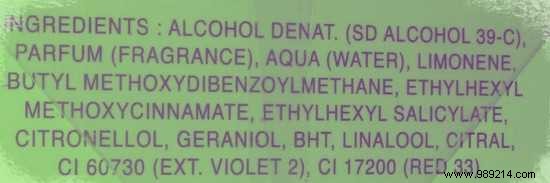
According to Scientific American, many fragrances include petroleum or natural gas derivatives, plus other synthetic chemicals.
For instance, my former favorite, Christian Dior's J'Adore, scores a 7/10 for toxicity on the Environmental Working Group (EWG) scale—with moderate cancer risks and high endocrine disruption potential, linked to breast and thyroid cancers or hormonal imbalances.
Most commercial perfumes contain dozens of undisclosed chemicals. Regulations don't require full ingredient disclosure to protect "trade secrets," leaving consumers in the dark. Even budget options can release chemicals into fatty tissues and breast milk.
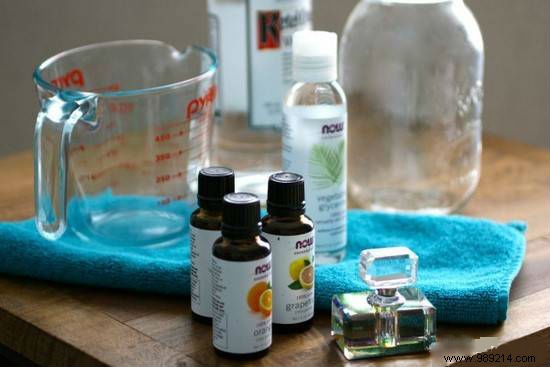
Now for the best part: the recipe for homemade perfume. Creating your own is rewarding and fun.
We'll use organic essential oils, similar to my popular natural air freshener recipe.
- Pure vodka (50° alcohol preferred; jojoba oil as alternative)
- Organic essential oils
- Glass spray bottle (essential oils degrade plastic)
- Distilled water
- Pipette dropper
- Notebook for recording recipes (drops, percentages)
Note: 50° vodka fully dissolves oils. For 40° vodka or jojoba oil, shake before use.
Selection is personal—scents vary by skin chemistry. Experiment to find your perfect blend.
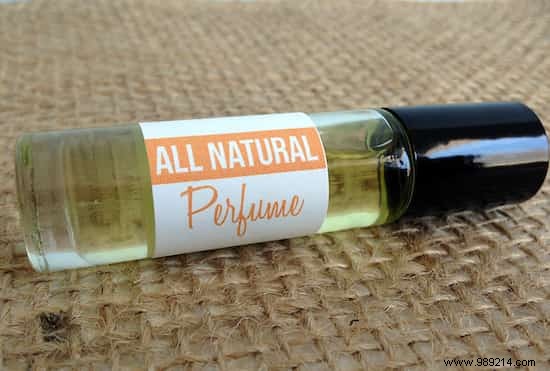
A balanced perfume requires three notes: base, heart, and top.
- Base notes anchor and extend the scent (e.g., woody).
- Heart notes define the core character (floral, spicy, woody).
- Top notes provide the initial impression.
Start simple with three oils, one per note.
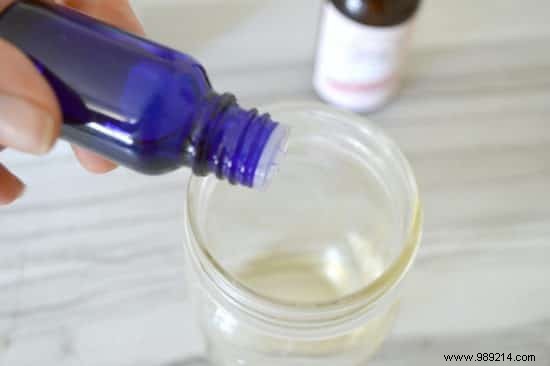
Use 24 drops total in 15 ml vodka (1 tablespoon).
1. Add 15 ml vodka to bottle.
2. Add 8 drops base note.
3. Add 8 drops heart note.
4. Add 8 drops top note.
5. Refrigerate for a few days to mature.
6. Note your recipe for replication or tweaks—share yours too!
These daily favorites are simple and harmonious:
- Fruity: Sandalwood, orange, ylang-ylang.
- Uplifting: Cedarwood, bitter orange, grapefruit.
- Spicy gourmand: Clove, vanilla, orange.
Pick one oil per note category, sticking to 24 drops per 15 ml vodka.
Base Notes: Benzoin, cedarwood, cinnamon, guaiac wood, myrrh, patchouli, vetiver, angelica, sandalwood, frankincense.
Heart Notes: Jasmine, geranium, clary sage, clove, ginger, lemongrass, marjoram, nutmeg, rose, palmarosa, pine, rosewood, thyme, ylang-ylang.
Top Notes: Basil, bergamot, Roman chamomile, coriander, cumin, tarragon, juniper, lavender, lemon, mandarin, petitgrain, mint.
Your homemade perfume is ready—no more pricey, chemical-laden options!
It's simple, customizable, and perfect for men or women. Experiment with mint, rose, lilac, jasmine, or more. Perfumery is a creative joy. For home fragrances, try my easy recipe.
I never applied commercial perfumes directly to skin—now I know why. Essential oils are potent: patch-test on your hand first.
Like store-bought scents, apply my blends to clothes, not skin. Always follow essential oil safety guidelines.
