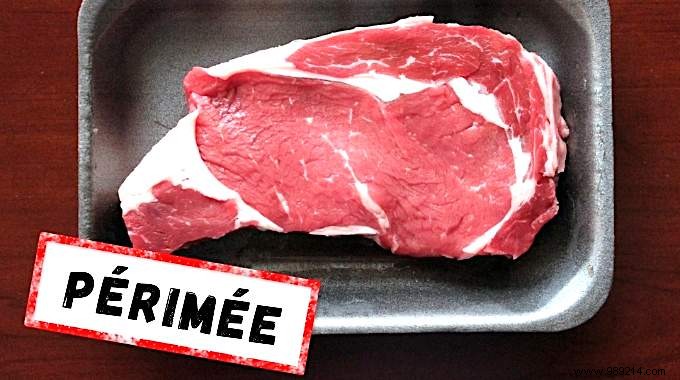
While some products remain safe after their best before date, certain foods pose serious health risks if consumed past it. Food safety experts emphasize strictly adhering to dates on these items to avoid foodborne illnesses like salmonella or listeria.
Discover 8 foods you should never eat after their best before date. Here's what you need to know:

A rancid smell, sticky texture, or off-color signals spoiled meat. Discard it immediately to prevent food poisoning or salmonella.
Minced meat not vacuum-packed must be consumed within 12 hours and refrigerated. For tartare, have it ground fresh by your butcher. When in doubt, throw it out—health risks are too severe.
Treat fish like meat: consume the day of purchase or next day at latest. Check for pale skin or dull eyes, signs of spoilage.
Avoid vacuum-packed fish with swollen packaging—bacteria like listeria, salmonella, or E. coli thrive inside. Follow the same rules for seafood, especially shrimp, oysters, and shellfish. Keep at 3°C for live crustaceans.
Charcuterie is delicious but highly perishable, especially cooked ham, hot dogs, or sliced meats. Discard if color or smell changes to avoid salmonella or listeria.
Vacuum-packed lasts longer but consume within 5 days of opening. Salted, dried, or smoked varieties keep 2-3 weeks post-opening. Pâtés, rillettes, sausages, and white hams: eat within 24-48 hours after opening, never past expiry.
Storage affects shelf life: intact raw eggs last ~21 days from lay in fridge; hard-boiled, 1 week post-cooking; whites, 1 week; yolks, just hours.
Test freshness with the bowl trick (linked below). 
Fresh juices lack pasteurization, so bacteria multiply quickly. Consume within 5 days max. Note: eating whole fruit is healthier than juicing.
Not all cheeses age well past expiry—raw milk and fresh varieties are most vulnerable to bacteria. Discard if off-looking or smelling.
Shelf life post-expiry varies: no-rind (cottage, ricotta): days to 2 weeks; soft (camembert): 1 week; semi-soft: 2-3 weeks; firm: 5 weeks; hard: 10 months; industrial: 3-4 days.
Sprouts grow in warm, humid conditions ideal for E. coli. Wash thoroughly, consume before expiry. Discard if blackening or moldy.
Bagged salads may harbor E. coli despite appearances. Wash after opening and never exceed expiry.
