
Arthritis can be intensely painful, targeting joints in the hands, feet, fingers, and shoulders. As an inflammatory condition, it's often influenced by diet. Avoiding pro-inflammatory foods while incorporating anti-inflammatory options offers a natural way to manage symptoms and support joint health.
Scientific evidence shows that dietary choices play a key role in reducing inflammation and easing arthritis pain. Here's a guide to the six foods to limit and seven beneficial alternatives, drawn from established nutritional research.


Research highlights six common foods that can exacerbate arthritis inflammation, along with seven smarter swaps to promote relief.
Joint pain often intensifies after alcohol consumption, even in small amounts like one or two drinks. Sodas compound this issue with unhealthy ingredients that fuel inflammation.
Opt for hydrating alternatives like cucumber-infused water, which supports health without the drawbacks.
To discover: How Sodas DESTROY Your Body.
While tempting, white bread's refined carbohydrates can promote inflammation and offers little nutritional value.
Switch to whole-grain or organic wholemeal bread, packed with fiber, vitamins, and minerals. The same applies to pasta—choose wholemeal varieties.
To discover: Diet:How to Avoid Headaches? Eat Whole Wheat Bread.
Beyond their impact on weight, fries and crisps are fried in omega-6-rich oils that trigger inflammatory responses, plus they're loaded with salt.
Steer clear to protect your joints.
To discover: Cancer in a Tube:The Horrible Truth About Pringles Chips.
Sugar and saturated fats act as inflammatory triggers. Desserts like ice cream and cakes are prime culprits.
Bake at home using natural sweeteners like coconut blossom sugar, low-fat yogurt instead of butter or cream, and skip margarine with its trans fats.
Oils like sunflower, safflower, soy, and corn are high in pro-inflammatory omega-6 fatty acids, outpacing their omega-3 content.
Contrast this with anti-inflammatory omega-3 sources such as avocado, walnut, flax, or cod liver oil.
Studies link vegetarian diets to reduced inflammation in rheumatoid arthritis. Red meat, processed meats, and even some white meats promote inflammation due to saturated fats, omega-6, and iron, while hindering omega-3 absorption. Deli meats add excess sodium.
Reduce intake and turn to plant-based proteins. Quality meat occasionally is fine, and cutting dairy may help some people.
These seven foods, staples of the anti-inflammatory Mediterranean diet, help combat arthritis effectively.
Alliaceae family members—garlic, onions, leeks, chives, shallots—contain sulfur compounds like allicin with potent anti-inflammatory effects. Use them freely in soups, quiches, or seasonings.
To discover: If You Eat Garlic And Honey On An Empty For 7 Days, This Is What Happens To Your Body.
Extra-virgin olive, rapeseed, and flaxseed oils provide omega-3s and compounds like oleocanthal that fight inflammation. Use olive oil for cooking (up to 200°C) and dressings; avoid heating flaxseed oil.
To discover: 7 Health Benefits of Olive Oil You Should Know.
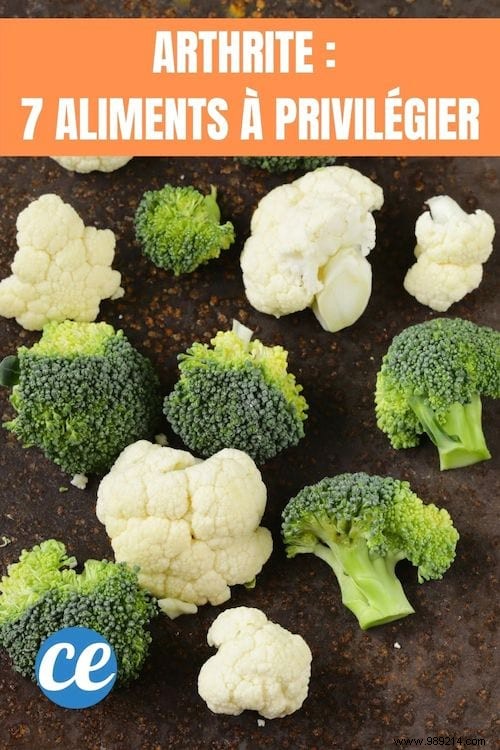
Cruciferous vegetables like broccoli, cauliflower, cabbage, radishes, and turnips are rich in vitamins C and K, flavonoids, and glucosinolates that protect cartilage. Enjoy them raw, steamed, or al dente, three times weekly.
To discover: The Trick To Keep Celery And Broccoli Fresh For 4 Weeks.
Oats, quinoa, barley, and brown rice deliver fiber, B vitamins, and plant proteins to curb inflammation. Pair with legumes for complete proteins as meat alternatives.
To discover: Can Baking Soda Speed Up Cooking Pulses?
Salmon, mackerel, sardines, herring, anchovies, tuna, and smaller fish offer omega-3s, selenium, zinc, and vitamin D. Aim for twice weekly, prepared fresh via steaming or marinating; choose smaller species to minimize contaminants.
To discover: Economical and Easy to Make:The Homemade Rollmops Recipe.
Raspberries, blueberries, strawberries, cherries, grapes, pomegranate, and cranberries provide antioxidants, polyphenols, and vitamin C with aspirin-like effects. Eat fresh or frozen, ideally organic.
To discover: 9 Incredible Strawberry Benefits You Didn't Even Know About.
Mussels, oysters, prawns, and shellfish supply protein, zinc, selenium, and chitin-derived glucosamine for cartilage health. Enjoy regularly.
To discover: The Calendar To Pay CHEAPER Fish And Seafood According To The Season.
Arthritis encompasses various conditions—acute or chronic, from infections (septic arthritis), autoimmune issues (rheumatoid arthritis), or metabolism (gout). It triggers cytokines that inflame joints, causing pain (worse at night), swelling, redness, warmth, and potential deformity.
Distinct from osteoarthritis, where cartilage mechanically wears down, leading to bone-on-bone friction.
