
Nearly every woman experiences menstrual pain at some point. For many, it strikes monthly and feels like an inevitable part of life. While cramps often fade within hours, they can disrupt daily routines for 2-3 days in others.
These pains stem from prostaglandins, which trigger uterine muscle contractions during menstruation. The result is a dull or throbbing ache in the lower abdomen, lower back, toward the kidneys, or thighs. Some women even feel discomfort just before their cycle begins.

Factors like precocious puberty and heredity can make some women more prone to severe pain. Lifestyle contributors include smoking, a sedentary routine, excessive alcohol, and drug use. Notably, menstrual pain often eases or vanishes after a woman's first child.
Over-the-counter medications offer relief, but time-tested natural home remedies can be equally effective for quick symptom relief and prevention.
Here are 10 of the best natural remedies to ease period pain. Try them for yourself:


Applying warmth to your lower abdomen is a simple, reliable way to soothe menstrual cramps. Heat relaxes tense uterine muscles.
Use a heating pad on your lower abdomen and/or back. No pad? Fill a plastic bottle with hot water. Apply until relief sets in.
Alternatively, soak a towel in water, wring it out, and microwave for one minute. Place on your lower abdomen until cool, then reheat as needed.
A hot shower works wonders too, easing pain while promoting relaxation.
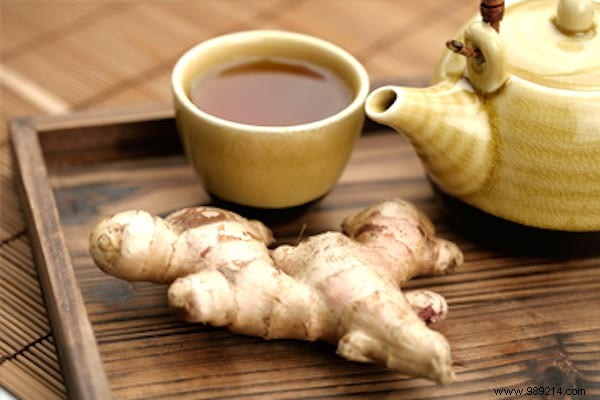
Ginger is a powerhouse for menstrual relief, effectively lowering prostaglandin levels that cause cramps. It combats PMS fatigue and helps regulate irregular cycles.
Grate a small piece of fresh ginger, boil in a cup of water for 5 minutes. Strain, add honey and lemon juice. Drink 3 times daily during your cycle.
Incorporate ginger into meals or enjoy ginger candies. Note: It may also prompt periods to start early.
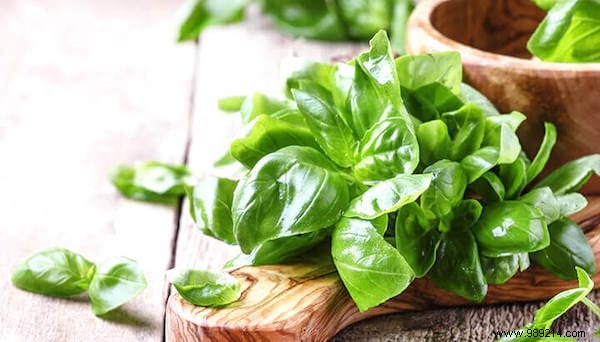
Basil excels at relieving menstrual pain thanks to caffeic acid, which acts as a natural painkiller.
Steep 1 tablespoon of basil leaves in a cup of boiling water. Cover, cool, and sip every hour for pain relief.
Or crush fresh leaves for juice: Mix 2 teaspoons into warm water and drink 3 times daily until symptoms ease. Add basil to salads and dishes for ongoing benefits.

Cinnamon's antispasmodic, anticoagulant, and anti-inflammatory properties target menstrual pain effectively. It's packed with fiber, calcium, iron, and manganese.
Brew tea with ¼ teaspoon cinnamon powder in hot water for 5 minutes. Add honey and drink slowly. Have 3 cups before your period to prevent cramps.
During menstruation, mix ½ teaspoon cinnamon and 1 tablespoon honey in warm water. Drink 3 times on day one for fast relief.
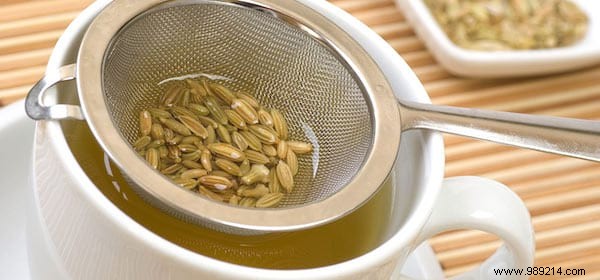
Fennel's antispasmodic, phytoestrogenic, and anti-inflammatory effects relax uterine muscles, easing pain and discomfort.
Simmer 1 teaspoon fennel seeds in boiling water for 5 minutes. Strain, add honey, and drink 2 times daily starting 3 days before your period. Continue as needed—hot for best results.
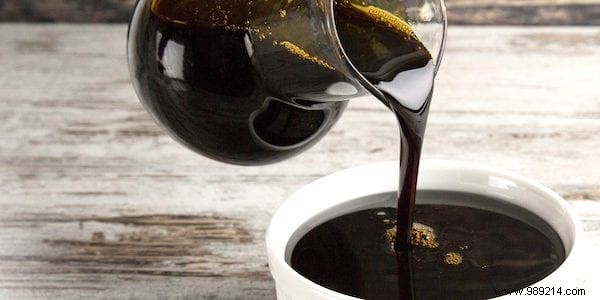
A trusted remedy passed down through generations, molasses is rich in calcium, iron, potassium, magnesium, manganese, B6, and selenium. It reduces blood clots and calms uterine muscles.
Stir 1-2 teaspoons into warm milk at the first sign of pain. Repeat as necessary.
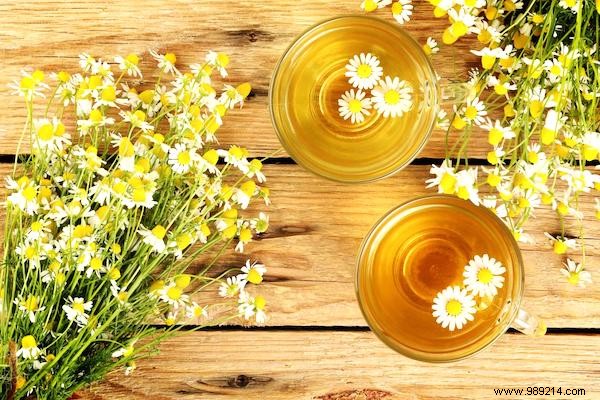
Chamomile's anti-inflammatory and antispasmodic properties relax uterine muscles and ease painful contractions.
Steep a chamomile tea bag in boiling water for 10-15 minutes. Add lemon or honey. Drink 2+ cups daily in the week before your period.
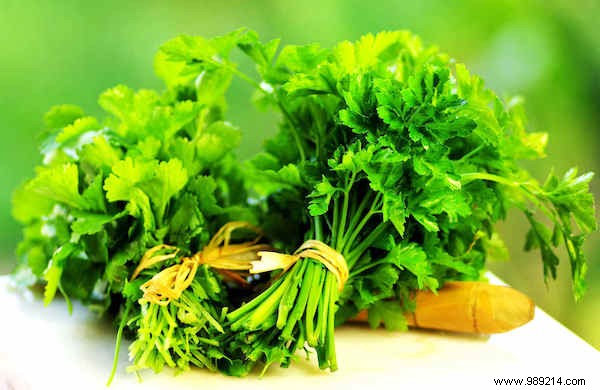
Parsley's apiol and myristicin stimulate menstrual flow and relieve pain while regulating cycles.
Infuse 70g fresh parsley in boiling water for 5 minutes. Strain and drink 2 times daily during menstruation.
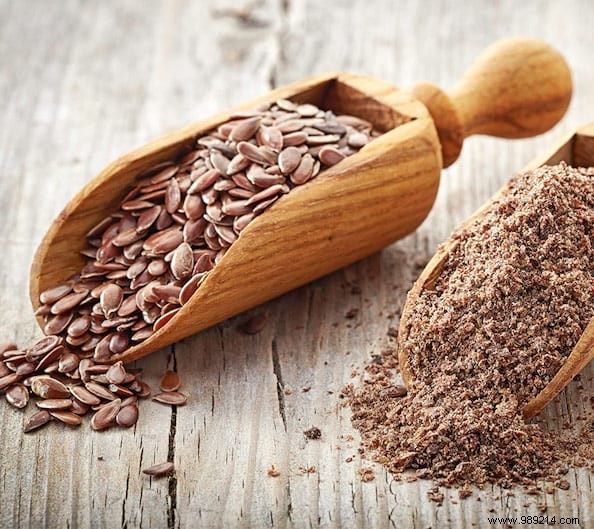
Flax seeds powerfully reduce menstrual pain intensity. Their essential fatty acids balance progesterone and support uterine health.
Consume 1-2 tablespoons daily: Grind and add to salads, yogurt, cereals, or smoothies.
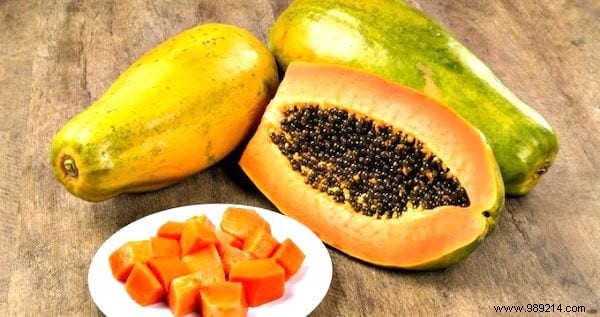
Papaya, a potent anti-inflammatory, eases cramps with carotene, iron, calcium, and vitamins A and C.
Eat papaya before and during your period to minimize contractions and pain.
Complement these with yoga, cardio, and plenty of water. If severe pain persists, consult your doctor.
