We all love a good party, but the morning after can be rough. If you're wondering how to cure a hangover effectively, look no further. Amid dozens of popular remedies, science separates the effective ones from the myths.
Based on clinical studies and expert insights, this guide reveals what truly works—and what doesn't—to help you recover quickly and feel your best. Always consult a doctor before trying new remedies, especially medications.
 Contents
 Drawing from peer-reviewed research, here's a clear breakdown of proven strategies and common pitfalls for hangover relief.
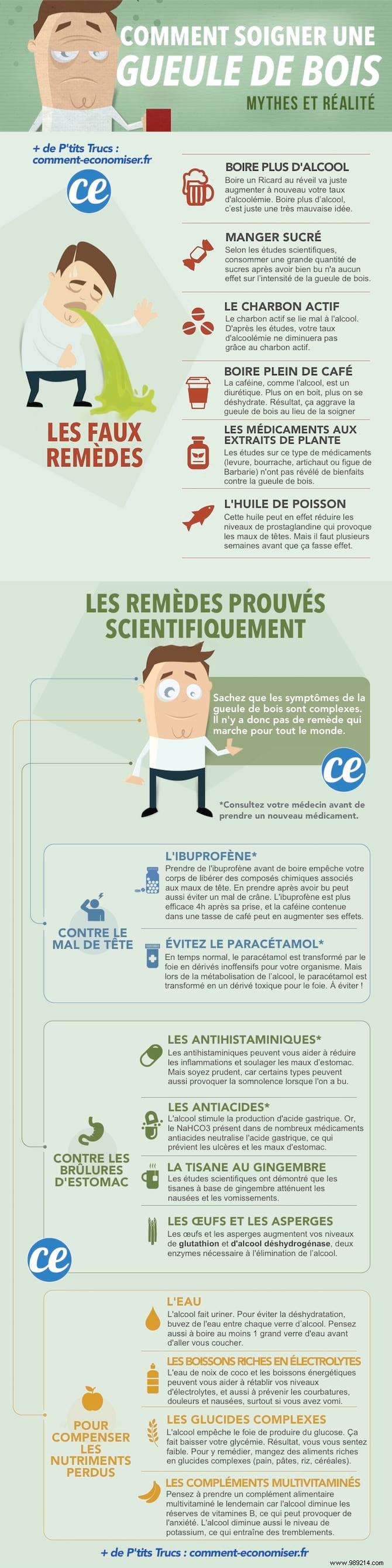
Downing more alcohol, like a Ricard first thing, might temporarily mask symptoms but simply elevates blood alcohol levels again. Studies confirm this delays—and intensifies—the hangover.
A study of 109 men found no reduction in hangover severity from high doses of simple sugars like glucose or fructose post-drinking. Source.
Research shows activated charcoal binds poorly to alcohol and doesn't lower blood alcohol levels.
Like alcohol, caffeine is a diuretic that worsens dehydration—a key hangover culprit.
Trials on remedies with yeast, borage, artichoke, or prickly pear extracts show no significant hangover benefits.
Fish oil may lower prostaglandins linked to headaches, but effects take weeks, not hours. Source.
Hangover symptoms vary, so target them specifically with evidence-based options. No single cure-all exists, but these stand out.
Preventively, ibuprofen before drinking blocks headache-triggering chemicals. Post-drinking, it still helps. Peak effect at 4 hours; pair with a small coffee for better results. Source.
Alcohol metabolism turns paracetamol into liver-toxic byproducts—a risky combo.
These reduce inflammation and stomach upset, though some cause drowsiness with residual alcohol.
Alcohol boosts stomach acid; NaHCO3 in antacids neutralizes it, preventing irritation and ulcers.
Ginger in tea or pills significantly cuts nausea and vomiting, per clinical studies.
Both boost glutathione and alcohol dehydrogenase enzymes for faster alcohol breakdown. Source.
Alcohol causes frequent urination; sip water between drinks and a full glass before bed to combat dehydration.
Coconut water or sports drinks restore electrolytes, easing aches, pains, and nausea—especially after vomiting.
Alcohol disrupts glucose production; carbs like oatmeal restore blood sugar and energy.
B vitamins plummet with alcohol, risking anxiety or worse; potassium loss causes tremors—supplements help.
*Consult your doctor or pharmacist before taking any medication.
