Headaches are a common issue affecting millions worldwide. While many are fleeting and manageable with simple remedies, others may signal underlying health concerns. As experienced health writers drawing from medical guidelines, we'll explore five primary types of headaches, their symptoms, causes, and evidence-based treatments. Always consult a healthcare professional for persistent pain.
Here are the 5 most common types of headaches:
1. Tension headache
2. Sinus headache
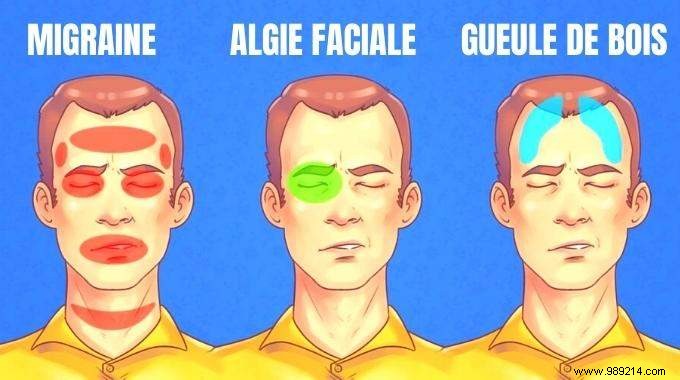
3. Migraine
4. Cluster headache (also known as facial neuralgia or Horton's headache)
5. Hangover headache
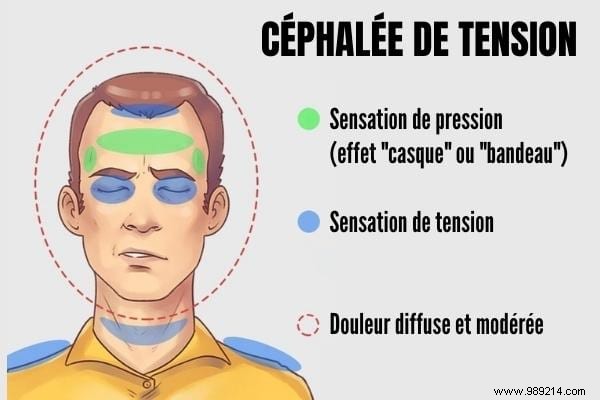
Sensation of pressure ("helmet" or "headband" effect)
Feeling of tension
Diffuse and moderate pain
Tension headaches are the most common type, affecting nearly everyone at some point.
Pain is typically diffuse and moderate, sometimes pulsating in rhythm with your heartbeat. It often creates pressure around the forehead, described as a "hard hat" or tight headband sensation. Intensity usually builds from morning to evening.
Stress is the primary trigger. Other factors include fatigue, psychological tension, poor posture, prolonged head positions, or neck/shoulder injuries. Chronic cases are rare but possible.
Over-the-counter analgesics like paracetamol (acetaminophen), aspirin, or ibuprofen provide quick relief. Use sparingly; frequent headaches warrant a doctor's visit. Regular exercise, stretching, and posture correction reduce muscle tension. Natural remedies, such as hydration and rest, also help.
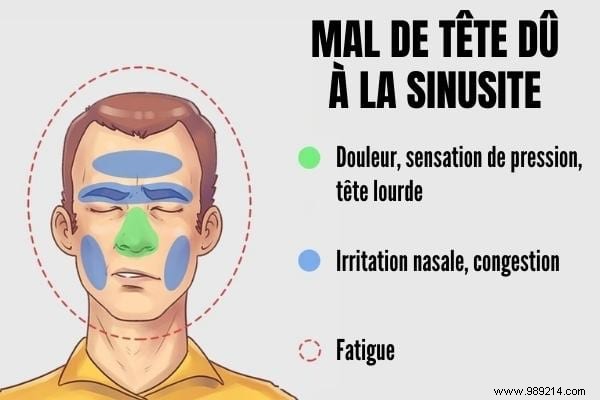
Pain, pressure, heavy head
Nasal congestion, irritation
Fatigue
These stem from sinus inflammation (sinusitis), often with fever, facial swelling, and forehead/cheek pressure.
Intense pressure around eyes and forehead worsens with head movement or bending forward. Accompanied by nasal congestion, runny nose, and fatigue.
Triggered by sinusitis from colds or seasonal allergies.
These rarely resolve alone. Antihistamines help allergies; antibiotics may be needed for infections—consult a doctor. Untreated sinusitis can prolong headaches. Natural options like saline rinses or magnesium chloride solutions offer support.
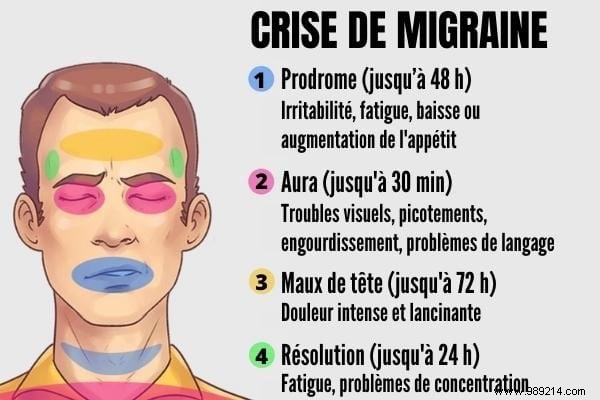
A chronic condition with moderate to severe headaches and diverse symptoms.
1. Prodrome (up to 48 hours): irritability, fatigue, appetite changes.
2. Aura (up to 30 min): visual disturbances (spots, blurred vision), sensory tingling, speech issues, dizziness.
3. Headache (up to 72 hours): intense, throbbing pain.
4. Resolution (up to 24 hours): fatigue, concentration difficulties.
Likely a neurovascular disorder with genetic links.
No cure exists, but symptom-specific treatments from a doctor help. Exercise reduces frequency for some; natural remedies provide drug-free relief.
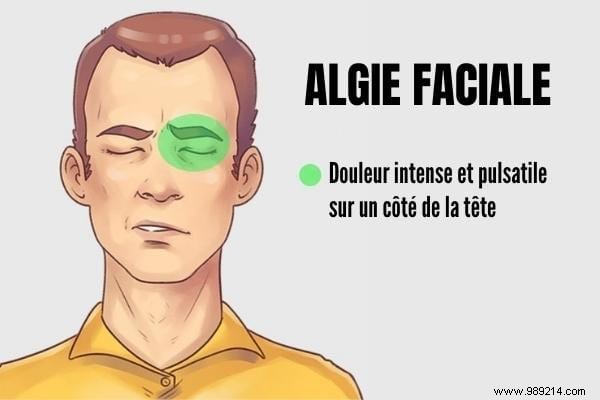
Intense, throbbing pain on one side
Rare (under 0.1% prevalence, more in men), known as "suicide headache" for excruciating pain around or behind one eye.
Unilateral throbbing pain lasts 15 minutes to 3 hours, with eye redness, tearing, light sensitivity. Can strike at night.
Linked to biological rhythm disruptions; exact cause unknown.
Episodic nature complicates treatment—requires specialist care.
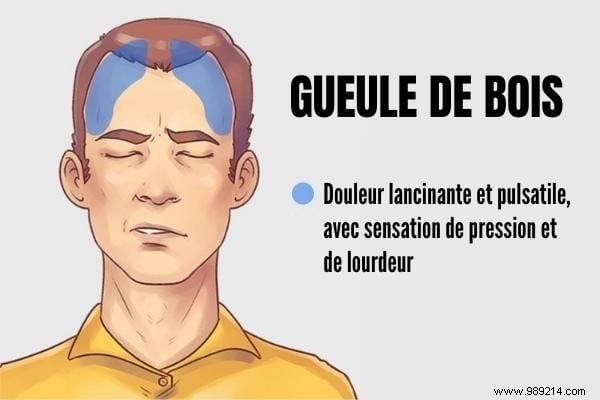
Post-alcohol withdrawal symptoms, not a formal diagnosis.
Throbbing pain, dizziness, nausea, fatigue, confusion.
Alcohol-induced blood vessel dilation, serotonin disruption, and dehydration.
Hydrate, rest, take analgesics like paracetamol. Try proven remedies for faster recovery. Severe reactions to small amounts may indicate migraine—seek medical advice.
