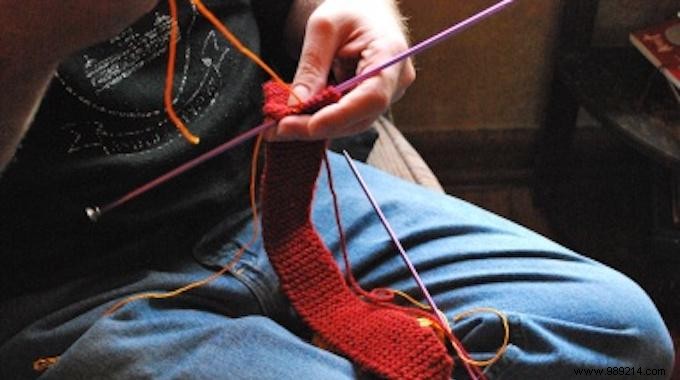
My mother was an exceptional knitter, creating beautiful Irish sweaters that were all the rage during my childhood. She'd knit while my dad drove, turning road trips into a cozy spectacle.
I always wondered what drew her to it so deeply. Now, backed by scientific research, the answer is clear: knitting significantly benefits mental health.
A 2013 study reported by The Washington Post surveyed 3,500 knitters on their post-knitting feelings. The findings were compelling: over 80% felt much happier.
This isn't just for women—men are increasingly embracing knitting for its proven health perks. Celebrities like Harry Styles of One Direction and Russell Crowe (who knits to manage anger) are leading the way.
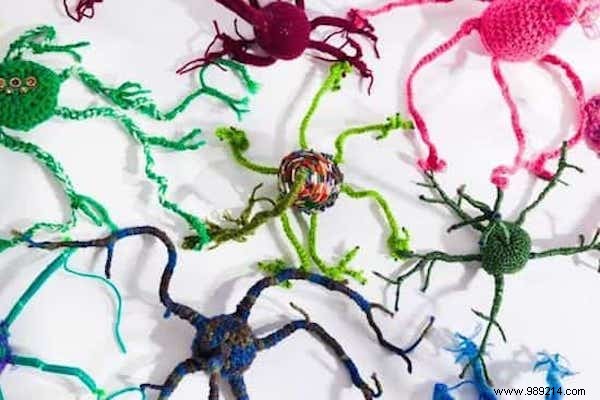
In Australia, the "Knitting of Neurones" project—known in English as "Neural Knitworks"—promotes knitting while educating on neuroscience and mental health awareness.
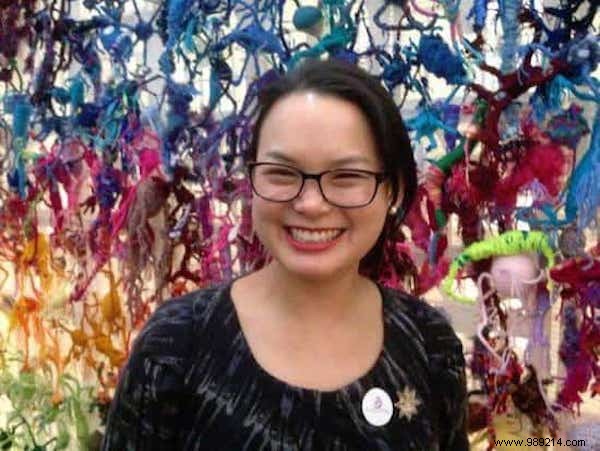
Workshops produce not just garments but handmade neurons: 1,665 woolen neurons formed a giant brain in one installation. By 2015, even more were crafted, with results viewable online and on the official Neural Knitworks Facebook page.
Participants knit, crochet, or sew while experts discuss issues like addiction, dementia, depression, and neuron function.
The human brain contains about 80 billion neurons. Activities like learning new skills, socializing, and exercise build neural connections that maintain brain health and vitality.
In these workshops, knitters learn this as they craft woolen neurons, forging real connections in their own brains. Their hands-on creations mirror the neural processes unfolding within, absorbing fascinating brain science along the way.
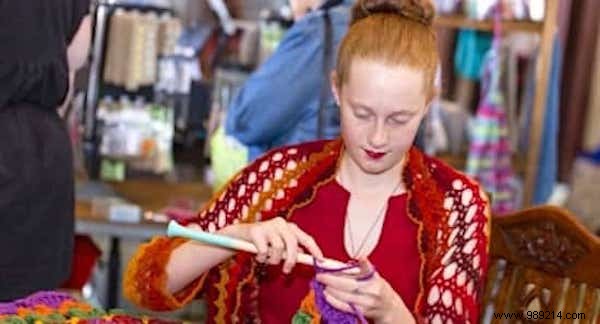
Physiotherapist Betsan Corkhill, who shares her research on her website, found knitting effectively reduces panic and anxiety. "Knitting engages much of the brain in coordinated movements," she explains. "The more brainpower devoted to a complex task, the less room for negative thoughts."
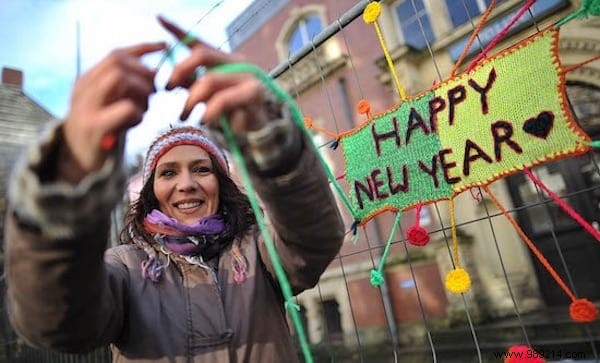
Researcher Ann Futterman-Collier at Northern Arizona University studies "textile therapy" (knitting, sewing, weaving, lace-making) for mood enhancement and depression relief.
She tested 60 women in three groups: writing, meditation, and textiles. Monitoring heart rate, blood pressure, and saliva, the textile group excelled, showing the best mood improvements and negative thought reduction.
"Hands-on tasks promote focus and lower stress," Dr. Futterman-Collier concludes.
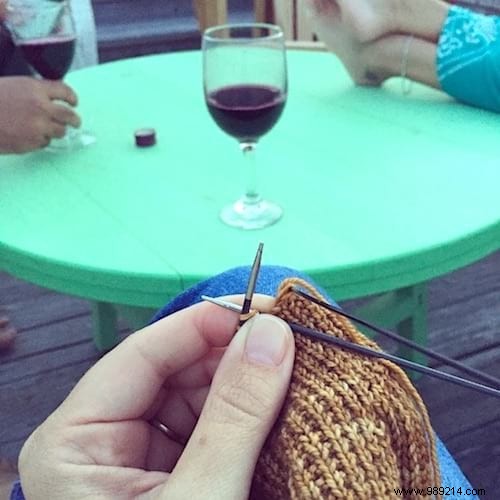
Dopamine, a brain chemical, drives happiness, motivation, and focus—spiking after exercise, meals, sleep, intimacy, or creative pursuits.
Knitting offers a natural, affordable dopamine boost through tangible creation, accomplishment, and praise.
Author Stephanie Pearl-McPhee notes: "People say, 'I wish I could knit, but I don't have time to waste.' Yet knitting lets me think, listen, and watch—producing something useful or beautiful in the end."
Knitting proves timeless and transformative for all ages and genders.
