A groundbreaking genetic study reveals that the monkeypox virus has mutated at a rate six to twelve times higher than expected, signaling a phase of accelerated evolution. What drives this unexpected change?
The Ile-de-France Regional Health Agency (ARS) confirmed the first monkeypox case in a child over the weekend, marking a shift as prior cases affected only adults. France now reports 330 confirmed infections. Globally, the virus has impacted over 3,500 people across 48 countries since emerging outside Africa last May.
Traditionally, monkeypox spreads via close skin-to-skin contact with lesions, contaminated items, bodily fluids, or respiratory droplets. Yet its rapid dissemination hints at altered transmission. Experts suspect new mutations play a role.
Published in Nature Medicine, a recent study analyzed this by sequencing genetic data from about fifteen virus samples. Results showed a mutation rate six to twelve times higher than anticipated.
The virus harbors around fifty novel mutations absent in 2018-2019 strains, far exceeding the expected one or two per year for such DNA viruses, which excel at error correction during replication.
These findings suggest "potential human adaptation." Several mutations bear signatures of human immune encounters, particularly from APOBEC3 enzymes. These antiviral proteins induce copying errors in viruses, which can lead to breakdowns—or survival via accumulated mutations during repeated immune clashes.
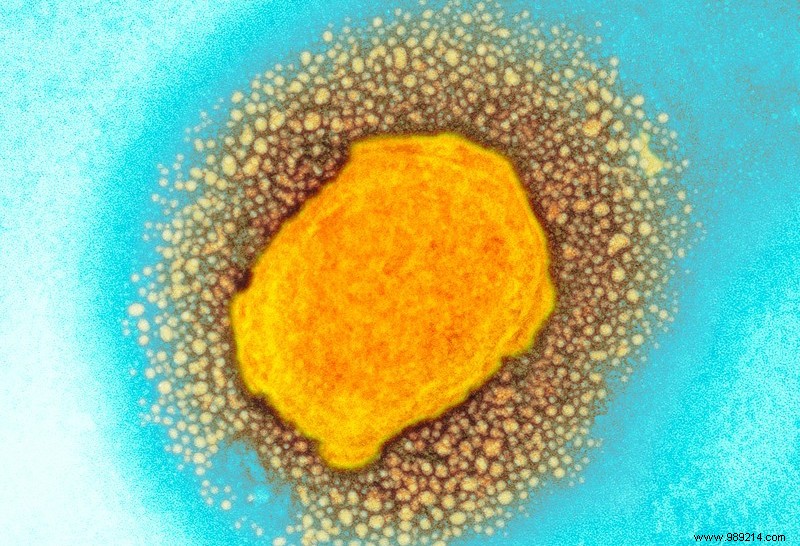
Mutations accelerated from 2018 onward, possibly from undetected human circulation or animal spread in non-endemic areas before this year's human spillover.
Currently mild, the outbreak stems from the West African clade (1% mortality) versus the Congo Basin clade (10%). No dedicated treatment exists, but clinicians use antivirals and smallpox vaccine-derived antibodies.
