Two years into the COVID-19 pandemic, approaches to health restrictions have varied widely across nations. Now, as the Omicron variant dominates, several countries are lifting measures, drawing on vaccination success and growing population immunity.
The highly transmissible yet less severe Omicron variant has overtaken others, prompting concern but also optimism. Experts note that widespread vaccination and boosted immunity signal the pandemic's potential end.
As detailed in GEO magazine's January 20, 2022, article, countries are scaling back or eliminating restrictions. While France introduced a vaccine pass, the UK plans to drop most measures by January 27: no mandatory masks, no telework recommendations, and health passes required only for nightclubs.
Spain is reclassifying COVID-19 as an endemic illness, with Prime Minister Pedro Sánchez announcing a flu-like monitoring system. Sentinel doctors and hospitals will alert authorities to surges.
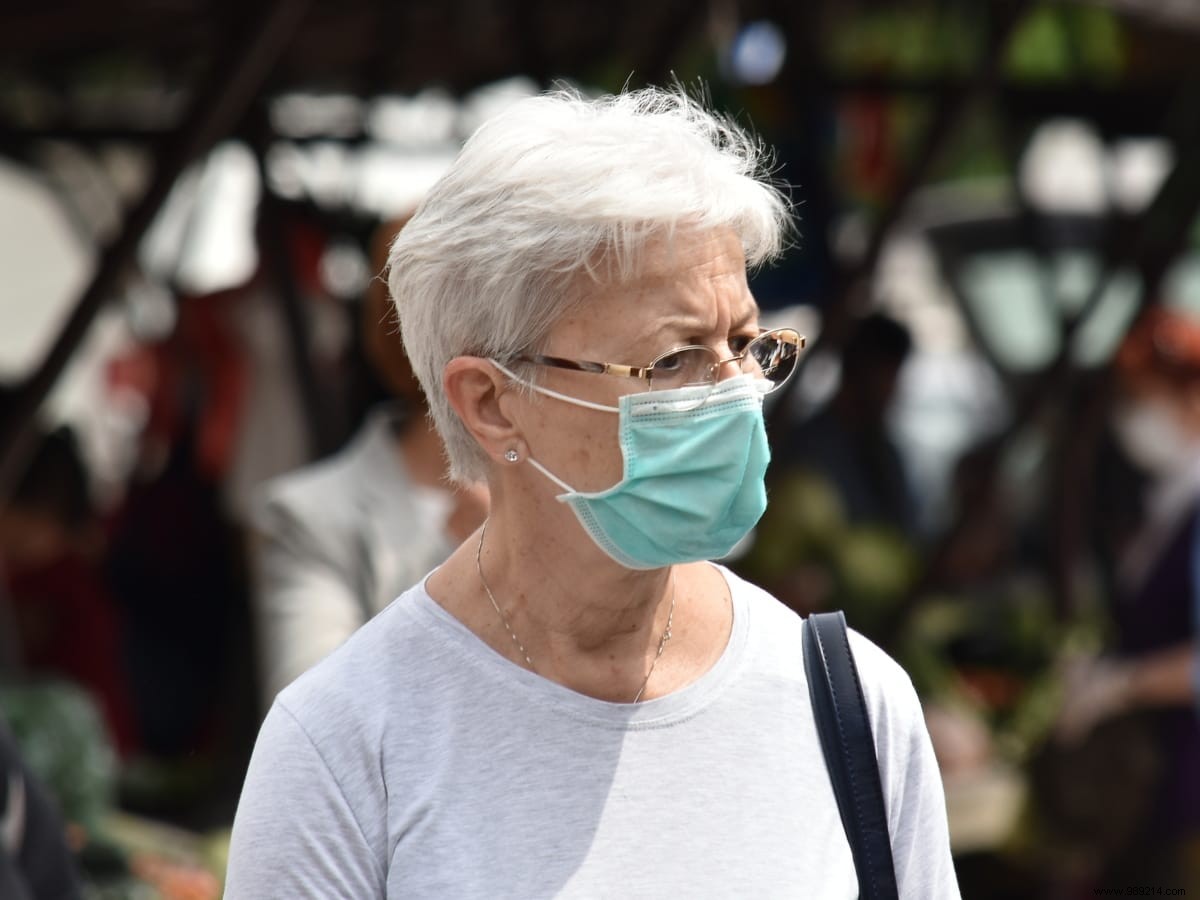
In the US, officials urge learning to live with COVID-19 amid rising hospitalizations. White House advisor Anthony Fauci emphasizes combining immunity with treatments for high-risk individuals. Israel prioritizes vulnerable groups, reopening borders as Omicron containment via closures proves ineffective. Those over 60 qualify for a fourth vaccine dose and PCR tests; quarantine for positives shortened from seven to five days.
Denmark reopened theaters and cinemas in late December 2021. The Netherlands allowed bars, cafes, and restaurants to serve indoors from January 25, 2022. Quebec cut quarantine for positives from ten to five days.
The WHO noted in early December 2021 that most Omicron cases are mild and vaccines remain effective, paving the way for more countries to ease rules soon.
