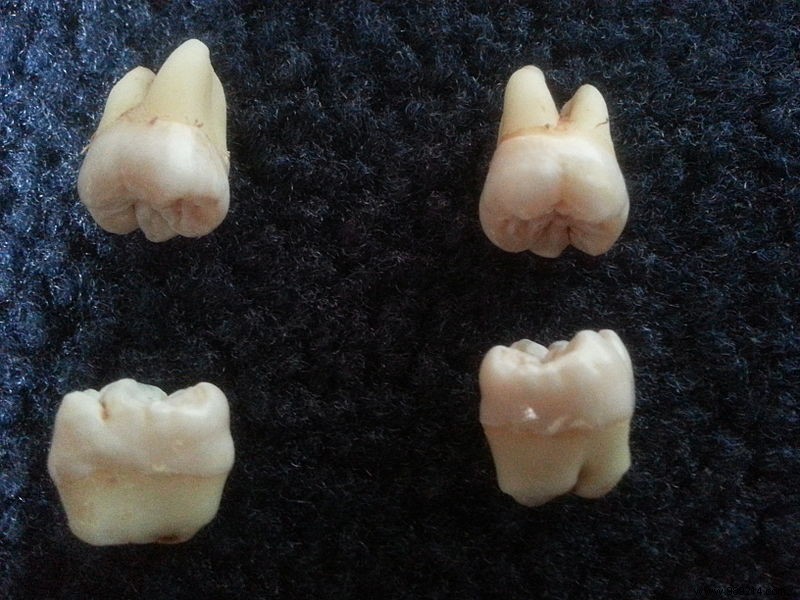
A recent study from Arizona State University reveals that wisdom teeth growth is driven by key biomechanical factors tied to human body movements.
Anthropologist Halszka Glowacka and paleontologist Gary Schwartz's research, published in Science Advances on October 6, 2021, links the late emergence of wisdom teeth to our slow-paced lifestyle, unique skull structure, and chewing muscles. These third molars typically appear around age 18.
The scientists explain that wisdom teeth erupt only when a 'mechanically safe' gap forms in the jaw. Human jaws grow slowly compared to teeth, delaying space availability until facial and muscular coordination aligns properly.
Using 3D biomechanical models of skulls from 21 primate species, the researchers analyzed masticatory muscle positions and jaw growth timing. Results show these elements synchronize to create balance for safe molar eruption.
"The study found that the combination of the rate of jaw growth and the length or protrusion of the jaws in adults determines when the molars will emerge. Modern humans are special among primates given our extended growth patterns and retracted faces, with short dental arches," states an official press release.
Early eruption can disrupt chewing mechanics and damage the jaw joint, often necessitating extraction. This biomechanical safeguard, though imperfect, highlights evolutionary adaptations. The findings offer paleontologists fresh perspectives on ancestral jaw evolution.
