A British science communicator recently shared her profound isolation during COVID-19 lockdowns. She argues that loneliness now poses a greater public health threat than obesity or smoking, urging targeted social interventions.
Do repeated lockdowns harm our health? A November 2020 study by a University of Westminster researcher (United Kingdom) found that sedentary lifestyles impair memory by underusing the hippocampus, a brain region crucial for memory formation and spatial navigation. In a June 29, 2021 BBC News article, Alice Gray, 29, a science communicator in Cardiff, Wales, described her prolonged isolation, including celebrating her 29th birthday alone.
Alice Gray views loneliness as a public health priority surpassing obesity or smoking. Often linked to the elderly, it now affects all ages, especially young people. She warns that most underestimate isolation's toll on the brain and overall health. Those experiencing chronic loneliness are twice as likely to develop mental health disorders, making access to support essential for individual and societal mental and physical well-being.
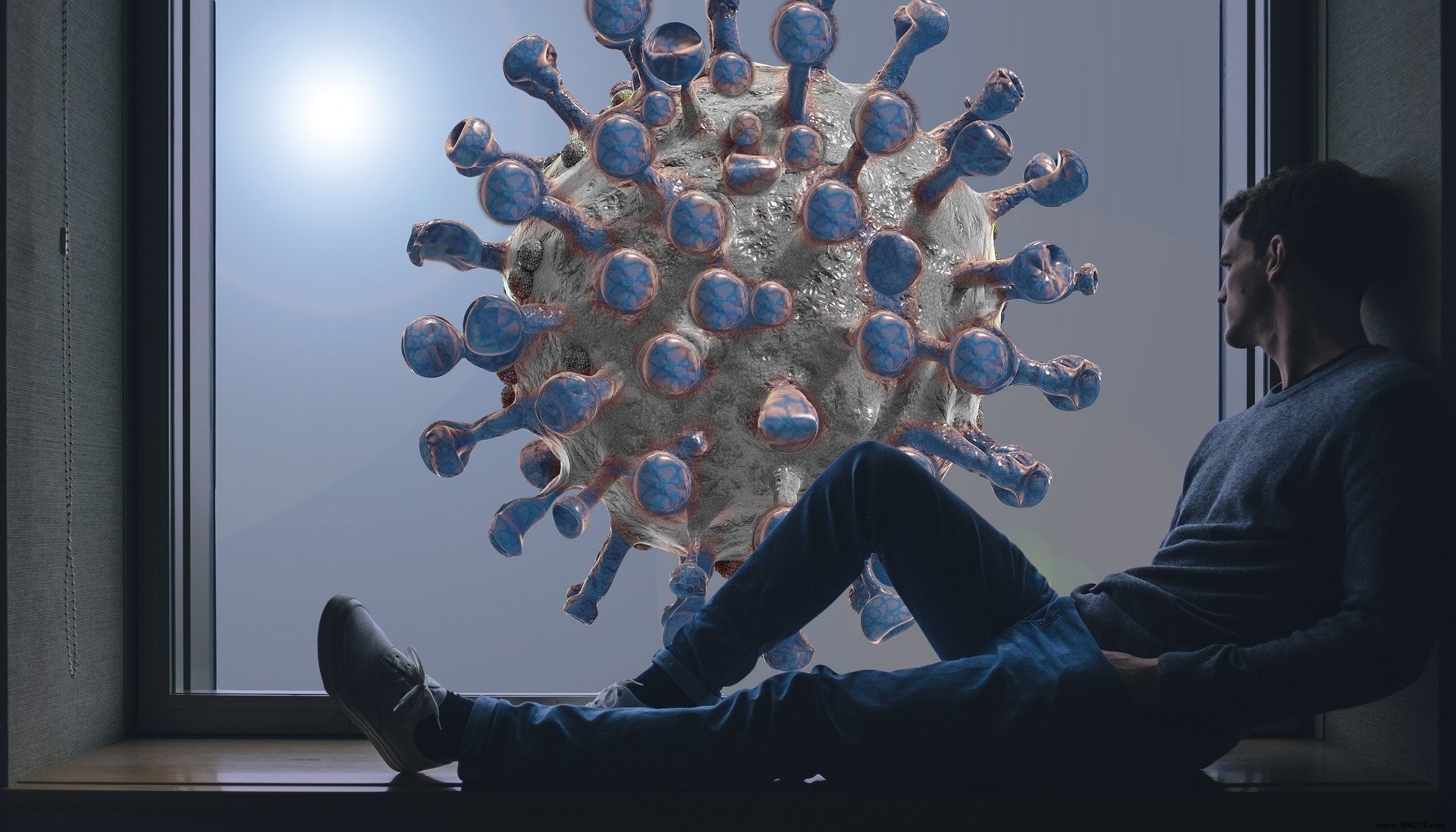
In Wales, GPs can now refer patients to specialized "social prescribing" services—non-clinical interventions led by social prescribers. These professionals organize activities like discussion groups, dance classes, and gardening clubs to foster connections.
This initiative from the Royal College of General Practitioners (RCGP) encourages practices to partner with social prescribers, easing GP workloads and prioritizing urgent cases. The RCGP equates long-term loneliness and isolation to chronic diseases in harm.
BBC News featured Nick, a patient who credited social prescribing with helping him emerge from isolation and overcome a mental health crisis. Social prescribing is now a Welsh Government priority for the next five years. First Minister Mark Drakeford has embedded it in his platform, backing the Mind Cymru pilot to evaluate its mental health impacts.
