Belgian gastroenterologist Guy E. Boeckxstaens has identified a key mechanism behind irritable bowel syndrome (IBS), a condition causing abdominal pain after certain foods. In France, it impacts over 5% of the population.
Many people experience abdominal pain after eating, without allergies or celiac disease—often a sign of irritable bowel syndrome (IBS). Though not life-threatening, chronic IBS can be debilitating. Its exact causes remain elusive, with multiple factors suspected.
In a landmark study published in Nature on January 13, 2021, Boeckxstaens' team pinpointed one trigger: IBS developing after an intestinal infection.
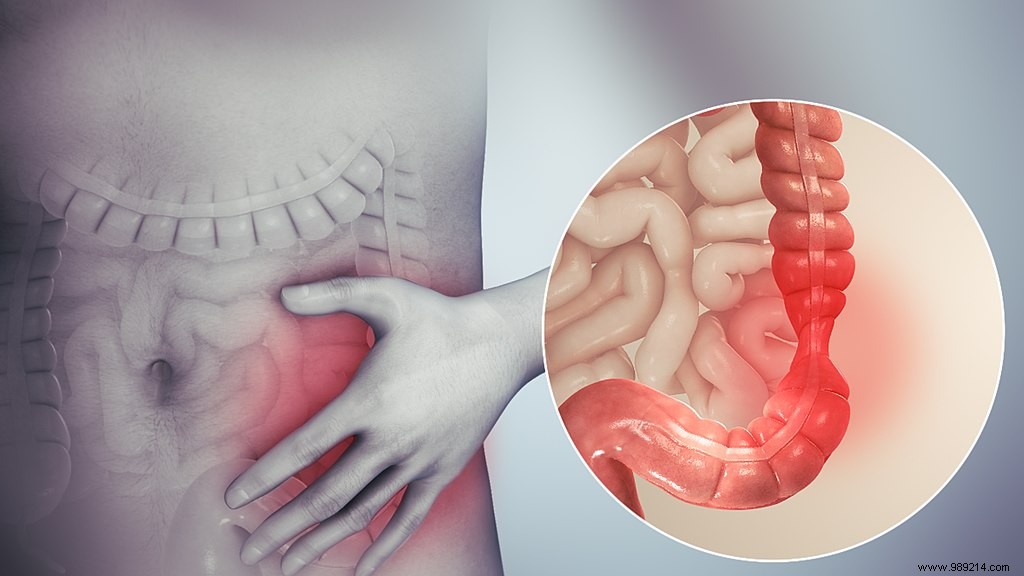
In a healthy gut, food doesn't activate immune cells. But in IBS, specific foods stimulate mast cells—innate immune cells that release histamine, triggering pain. The researchers hypothesized that infections make the immune system hypersensitive to food proteins during the infection.
To test this, they simulated intestinal infections in mice using bacteria while feeding them ovalbumin (egg protein). After the infection cleared, reintroducing ovalbumin activated mast cells and caused pain—despite no bacteria present. Uninfected control mice showed no response.
This reveals an abnormal, localized immune response in IBS, confined to the originally infected gut area. The team confirmed similar mast cell activation in human IBS patients, validating their findings.
