While many expired foods remain safe to eat past their best-before date, medications demand greater caution. If you have outdated pills at home, should you use them? Let's explore the science.
Every medication carries an expiration date, backed by rigorous stability testing. These tests track how the active ingredient degrades over time and responds to environmental factors like temperature, humidity, and light.
As noted in a 2019 France Info article, National Academy of Pharmacy expert Martial Fraysse emphasized that these dates aren't tailored to each drug. They're standardized: typically one year for new products and two to three years for others—a "one-size-fits-all" approach.
Post-expiration, manufacturers bear no legal responsibility for efficacy or safety. The date marks when guaranteed compliance ends, not necessarily when the drug becomes ineffective.
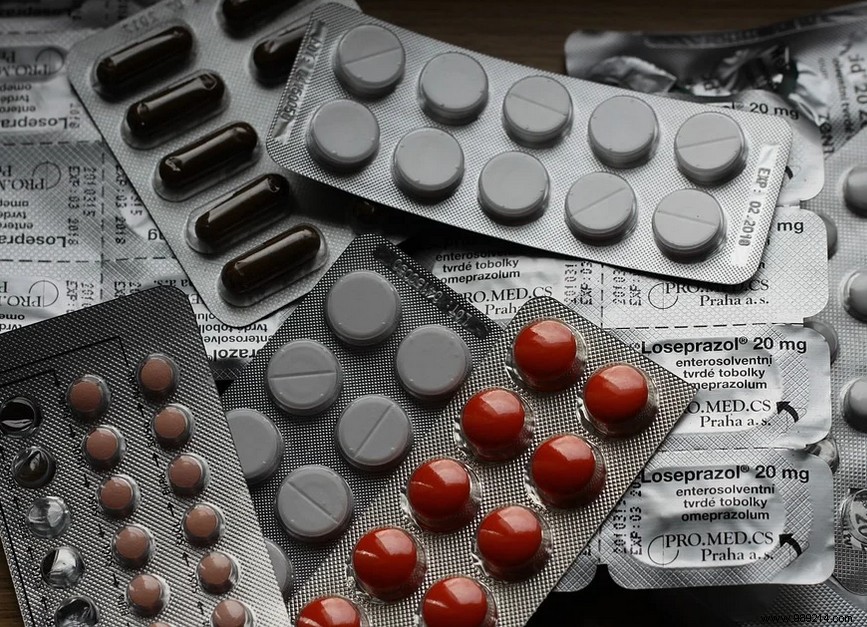
Studies suggest many drugs remain stable long-term. The U.S. FDA's analyses found that 90% of over-the-counter medications retain 90% of their active ingredients up to 15 years past expiration. A 2012 American Medical Association (AMA) study tested 14 formulations, with 12 maintaining over 90% potency 40 years later.
Yet, stability varies widely by active ingredients, excipients (inactive components), and form—like syrups, capsules, or eye drops. Liquids, sachets, and eye drops degrade faster, making expired use riskier than with food. Health authorities universally recommend discarding them to avoid potential inefficacy or harm.
