Over 3,000 people in China were infected with brucellosis bacteria last year after they escaped from a veterinary vaccine plant. Local authorities initially concealed the full scope of the contamination.
At the center of this incident is Lanzhou Pharmaceutical Company in northern China, a key producer of veterinary vaccines. The company allegedly used expired disinfectants during brucellosis vaccine production—a disease primarily affecting livestock but transmissible to humans.
This led to incomplete sterilization of residual manufacturing vapors, releasing Brucella bacteria into the air. The breach occurred on July 24, 2019, as reported by Chinese media outlet PengPai.
Initially, officials downplayed the risks, stating in a press release that "the aerosol from waste gases containing bacteria can only travel a limited distance, and the dose is small," predicting few infections. Reality proved otherwise.
Wind carried the pathogens to the nearby Lanzhou Veterinary Research Institute, infecting the first victims in November. By late December, China's Xinhua news agency confirmed at least 181 cases there. Ultimately, 3,245 victims were identified across the city of nearly three million residents.
Eight company employees have been held accountable since the scandal broke. Victims are expected to receive compensation.
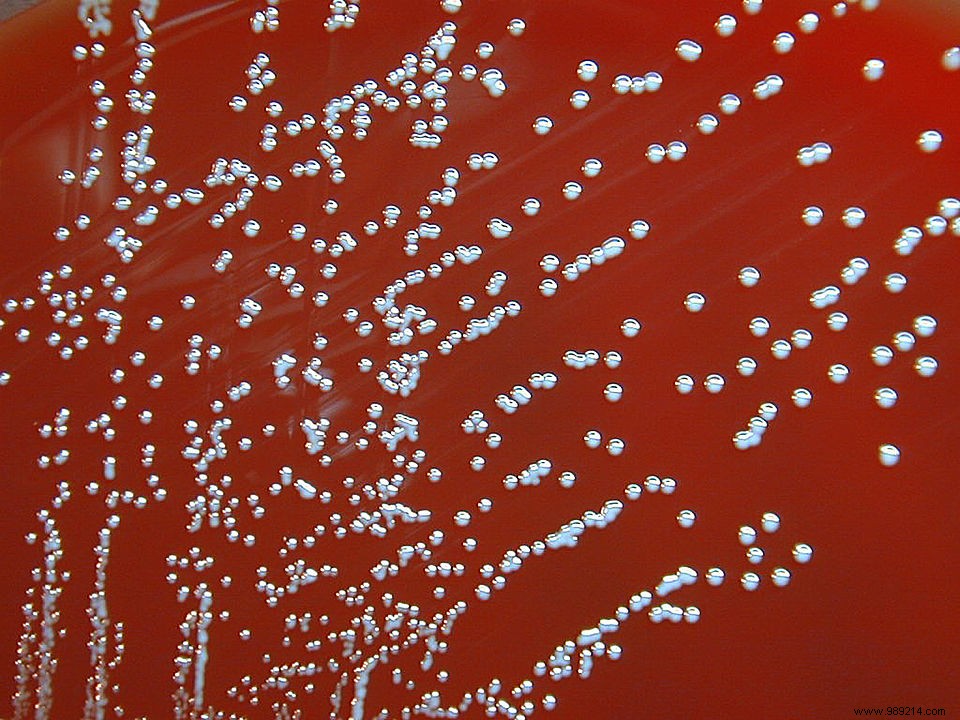
Brucella bacteria primarily target ruminants and pigs, causing abortions, reduced fertility, and milk loss, according to health authorities like Santé publique France.
Humans contract it via contact with infected animals or unpasteurized dairy, experiencing recurring fevers, headaches, and fatigue. Chronic cases may lead to severe joint issues, though fatalities are rare.
In Europe, brucellosis is eradicated in countries like France, the UK, Scandinavia, the Netherlands, Belgium, and Austria, but persists in Mediterranean and Balkan regions.
