Nitrous oxide, commonly known as "laughing gas," is increasingly misused by young people, posing serious health risks. Health authorities urge enhanced regulations and public education on its dangers.
Misuse of nitrous oxide (N2O) has occurred for decades, particularly at parties. However, a June 26, 2020, report from the Interministerial Mission for the Fight against Drugs and Addictive Behaviors (MILDECA) highlights a sharp upsurge.
Primary users are middle and high school students, as well as college students, often engaging in repeated, even daily consumption in large quantities. They inhale it via balloons after puncturing "protoxide" cartridges, seeking a rapid euphoric high accompanied by sensory distortions.
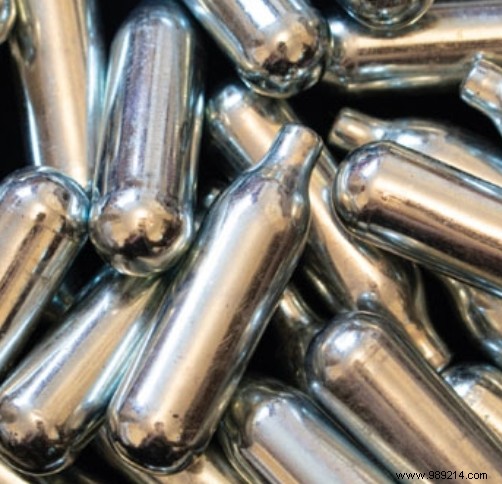
As MILDECA notes, laughing gas remains over-the-counter for food applications, such as in whipped cream siphon cartridges. This makes it easily accessible from shops and online without restrictions.
Despite this, the risks are severe: immediate effects include oxygen deprivation leading to asphyxiation, loss of consciousness, or cold burns from the expelled gas. Users may experience disorientation, dizziness, and falls. Long-term consequences encompass serious neurological damage, blood disorders, psychiatric issues, and cardiac problems. Combining it with alcohol or other drugs heightens these dangers.
While MILDECA focuses on prevention, France's ANSES issued a July 9, 2020, press release documenting dozens of poisoning cases and advocating for stronger regulations.
"Regulations for medical use classify it as a drug or narcotic, but food use as a propellant in whipped cream siphons is permitted as a processing aid and additive. These rules fail to address misuse," ANSES explains.
Regulating access and labeling for food-grade nitrous oxide is crucial. This aligns with the Senate's December 2019 bill to protect minors by banning their purchases of N2O.
