Over 200 scientists worldwide are raising alarms: SARS-CoV-2 viral particles may transmit via tiny airborne droplets.
SARS-CoV-2 continues its rapid global spread. South Africa reported more than 10,000 new cases in the last 24 hours, a record sparking concerns of surging infections. India has now surpassed nearly 700,000 total cases, ranking third globally behind the United States and Brazil, ahead of Russia.
Johns Hopkins University reports over 11,471,000 cases worldwide, with more than 534,000 deaths—figures likely underestimated due to limited testing.
These surges may stem from eased lockdowns, but could the virus's transmission risks be underestimated too?
Once dismissed, airborne spread is resurfacing as a key concern.
239 researchers from 32 countries argue SARS-CoV-2 can persist in indoor air long enough to infect others, per the New York Times. This suggests airborne transmission beyond large droplets from sneezes or coughs.
The World Health Organization (WHO) has repeatedly downplayed this, emphasizing droplet spread. Dr. Benedetta Allegranzi, WHO's infection control lead, stated: “Over the past two months, we have said airborne transmission is possible but lacks strong evidence. Debate continues.”
In an open letter soon publishing in Clinical Infectious Diseases, the researchers urge WHO to revise recommendations as bars, restaurants, and venues reopen globally.
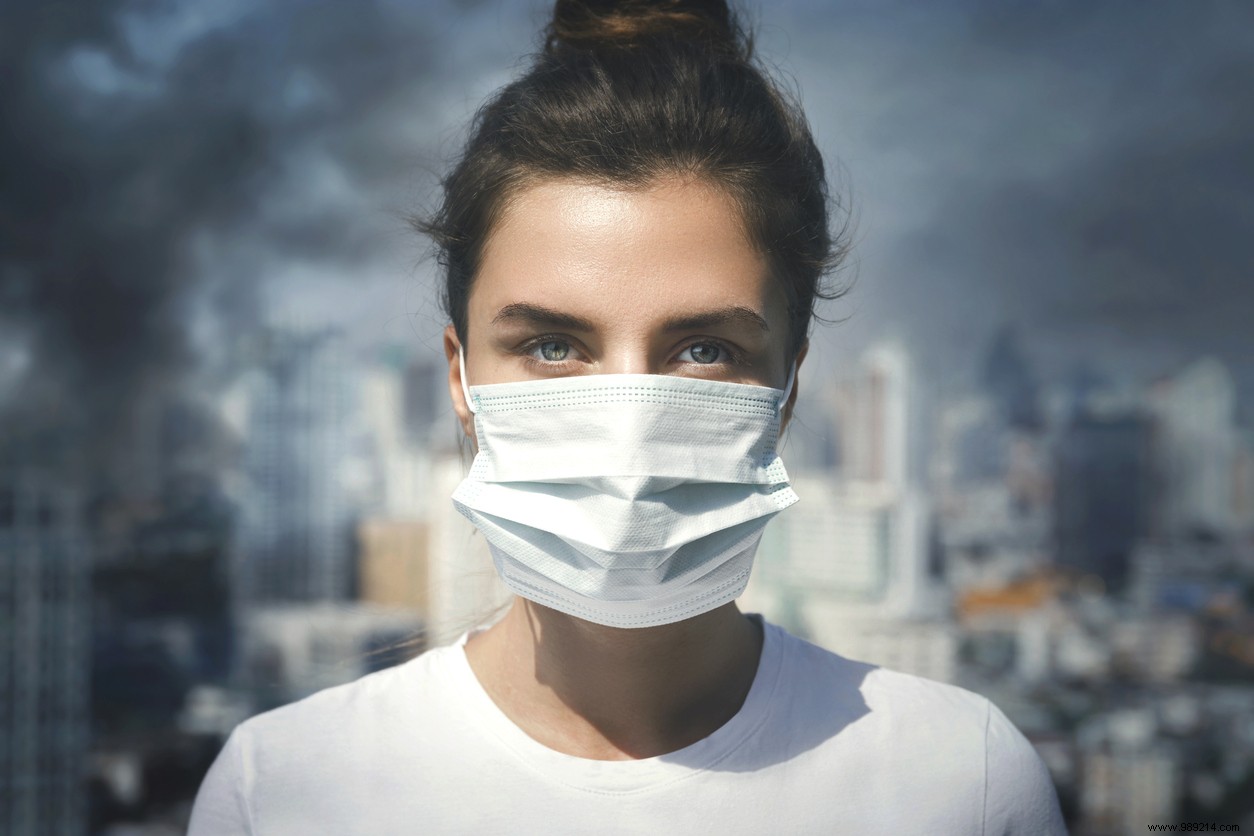
Airborne risk would necessitate masks even at social distances and N95 respirators for healthcare workers to filter fine aerosols. They also advocate effective ventilation—fresh outdoor air, reduced recirculation—in public buildings, workplaces, schools, hospitals, and care homes.
Timing these updates during deconfining proves challenging. New York Times interviews with 20 letter co-signers reveal a WHO seen as out of sync with emerging science.
The infection control committee's cautious approach resists guideline shifts. A former WHO consultant remarked: “They will die defending their point of view.”
