In a candid interview, Richard Horton, editor-in-chief of The Lancet, reflects on the retracted hydroxychloroquine study that sparked global debate. He dissects key errors and offers a sobering critique of the COVID-19 crisis, highlighting Western arrogance.
On May 22, 2020, The Lancet published a study led by Prof. Mandeep R. Mehra of Harvard Medical School. It concluded hydroxychloroquine showed no benefit for hospitalized COVID-19 patients and posed a high risk of mortality.

The World Health Organization (WHO) promptly halted clinical trials on hydroxychloroquine. However, an open letter from dozens of researchers and an The Lancet update led WHO to resume them. Ultimately, The Lancet retracted the study after three authors withdrew.
Data quality and veracity were at the heart of the controversy. The fourth author, Dr. Sapan Desai—CEO of Surgisphere, which supplied the data—faced three ongoing medical malpractice suits in the U.S.
In a June 15, 2020, Liberation interview, Horton noted peer review poorly detects fraud and isn't a veracity guarantee. True validation requires replicating experiments fully. Peer review assesses publication suitability, and the study initially seemed plausible.
The withdrawing authors admitted not verifying the data—a shocking oversight. Horton calls for a thorough investigation to uncover details, viewing the retraction as a positive step amid science's broader failures.
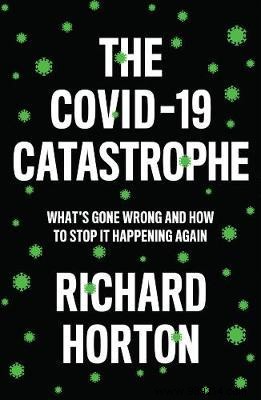
In his June 2020 book The COVID-19 Catastrophe, Horton praises China's rapid scientific mobilization: WHO alerts, disease descriptions, viral sequencing, and transmission insights shared swiftly.
He condemns 'China bashing' by leaders like Donald Trump, which distracted from domestic lapses. The U.S. suffered the worst toll: over 2.1 million cases and nearly 120,000 deaths.
Horton decries the crisis-fueled animosity toward China and anti-Asian racism, rooted partly in 'Western arrogance' undervaluing Chinese science—a bias that cost countless lives.
