Vitamin D plays a vital role in bone health and overall well-being. During confinement periods, prioritizing daily intake through diet and safe sun exposure is crucial, as advised by health authorities like ANSES.
Prolonged indoor time during confinement can compromise bone health due to vitamin D deficiency, leading to reduced bone mass and heightened fracture risk. In a press release dated April 17, 2020, ANSES outlined practical strategies for adequate intake via food and sunlight.
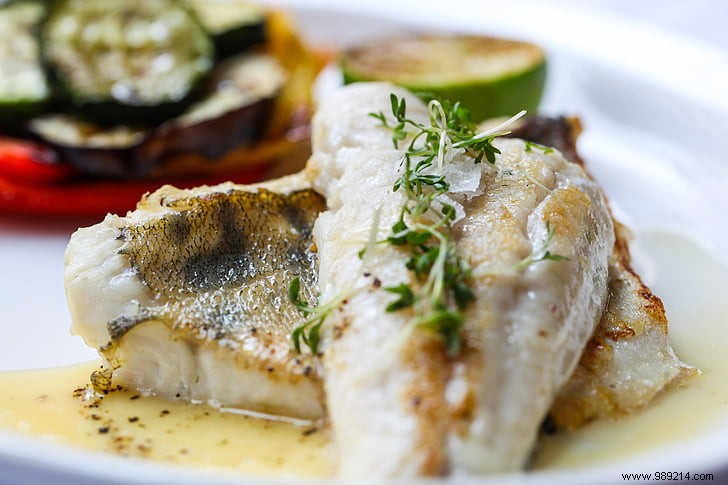
ANSES recommends consuming two portions of fish per week, including one oily variety, as a primary source. Vitamin D is also found in offal, egg yolks, meat, butter, fortified margarines, and cheese.
Sunlight remains a key natural source of vitamin D. Those with gardens or balconies have an advantage, but even brief exposure suffices—no need for extended sessions. For healthy adults, uncovering hands, forearms, and face for 15 to 20 minutes daily is enough. Even window exposure with good sunlight can help.
Vulnerable groups like older adults with darker skin tones face higher deficiency risks, as sun synthesis is less efficient. Postmenopausal women, prone to bone demineralization from hormonal changes, may benefit from supplements—but only under medical or dietary guidance.
Even after France's initial confinement lift on May 11, 2020, 18 million people over 65 needed to continue precautions, underscoring the importance of vigilant vitamin D management for at-risk populations.
