Research shows pregnant women eating more fruit may significantly boost their baby's cognitive development.
A 2016 University of Alberta study, published as part of the CHILD cohort (Canadian Healthy Infant Longitudinal Development) involving over 3,500 children and families, found that babies of mothers consuming 6-7 fruit servings daily performed better on cognitive tests at one year old.
While promising, those initial findings couldn't isolate fruit as the sole factor, as other variables weren't fully controlled.
To confirm fruit's direct impact, the same researchers recently replicated the study using rats, led by Claire Scavuzzo. "The present study aimed to experimentally test the effects of prenatal fruit juice exposure in a non-human mammalian model of learning and memory," as detailed in PLoS One.
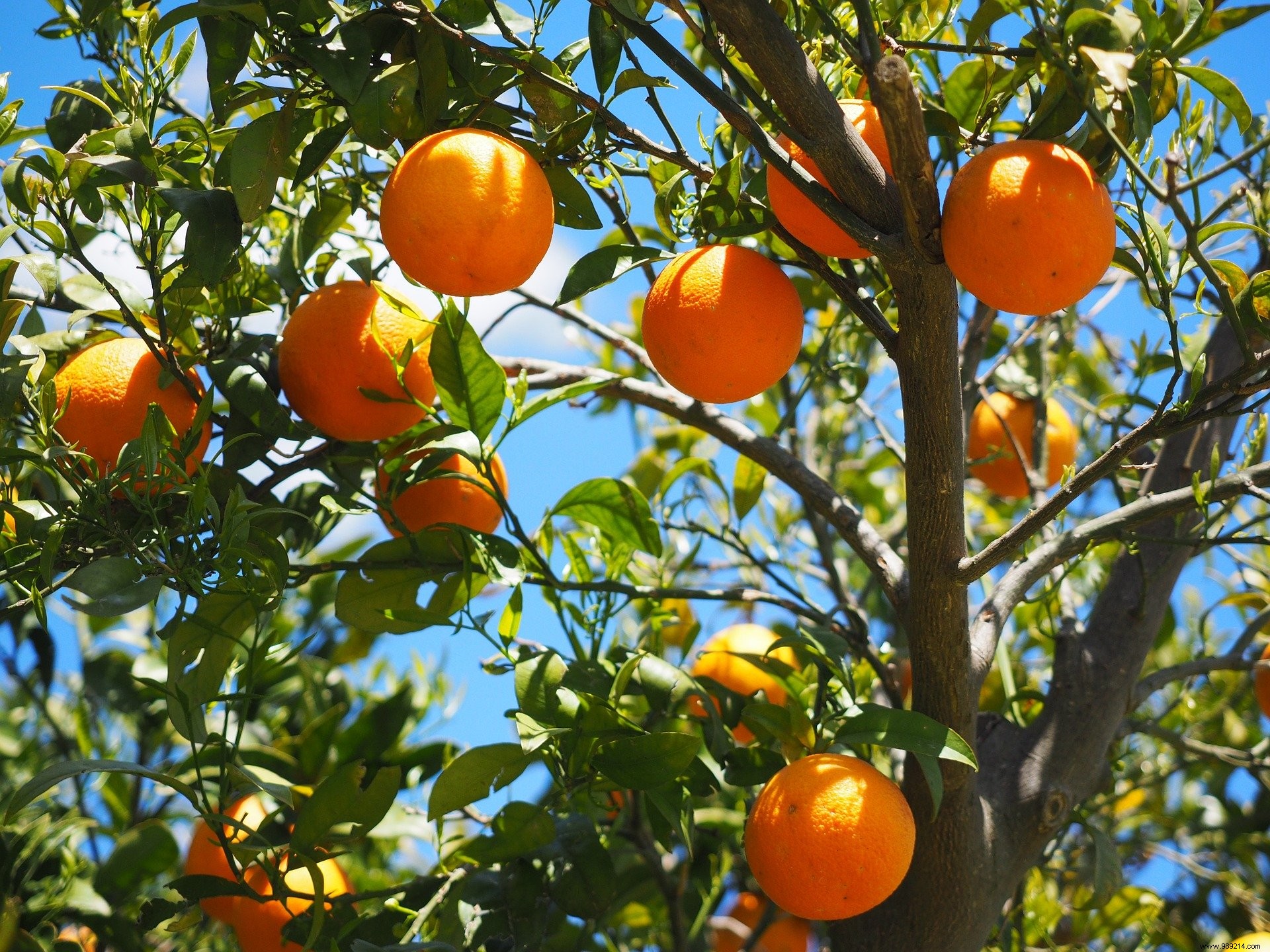
Pregnant female rats received diluted tomato and orange juice alongside standard chow, while controls had only water. After weaning, offspring underwent tests for learning, memory, and fear conditioning.
No differences appeared in spatial learning. However, the fruit-exposed group showed significant gains in spatial memory and conditioned fear memory (reduced anxiety).
These baby rats outperformed controls on cognitive tests, mirroring the human study and isolating fruit's benefits in a controlled setting.
"The idea that nutrition can impact mental health and cognition has only recently gained traction," says co-author Rachel Ward-Flanagan. "People want to give their children the best start in life, and our findings suggest a fruit-enriched diet could help achieve that."
Source
Related articles:
