The U.S. Department of Defense (DoD) has advised military personnel to avoid recreational DNA testing due to serious privacy and security risks that could impact national security and individual careers.
A New York Times article from December 24, 2019, detailed a Pentagon memo circulated to service members. This unclassified document strongly discouraged participation in at-home DNA testing kits, which over 25 million Americans have used since 2013 to explore ancestry or health predispositions.
The DoD highlighted risks that private companies could harvest and sell soldiers' genetic data, posing threats to both security and careers. The memo also noted the tests' unreliability. While no specific firms were named, the market is dominated by four: Ancestry and FamilyTreeDNA (U.S.), 23andMe (U.S.), and MyHeritage (Israel). Ancestry told the New York Times it does not share data with third parties without customer consent.
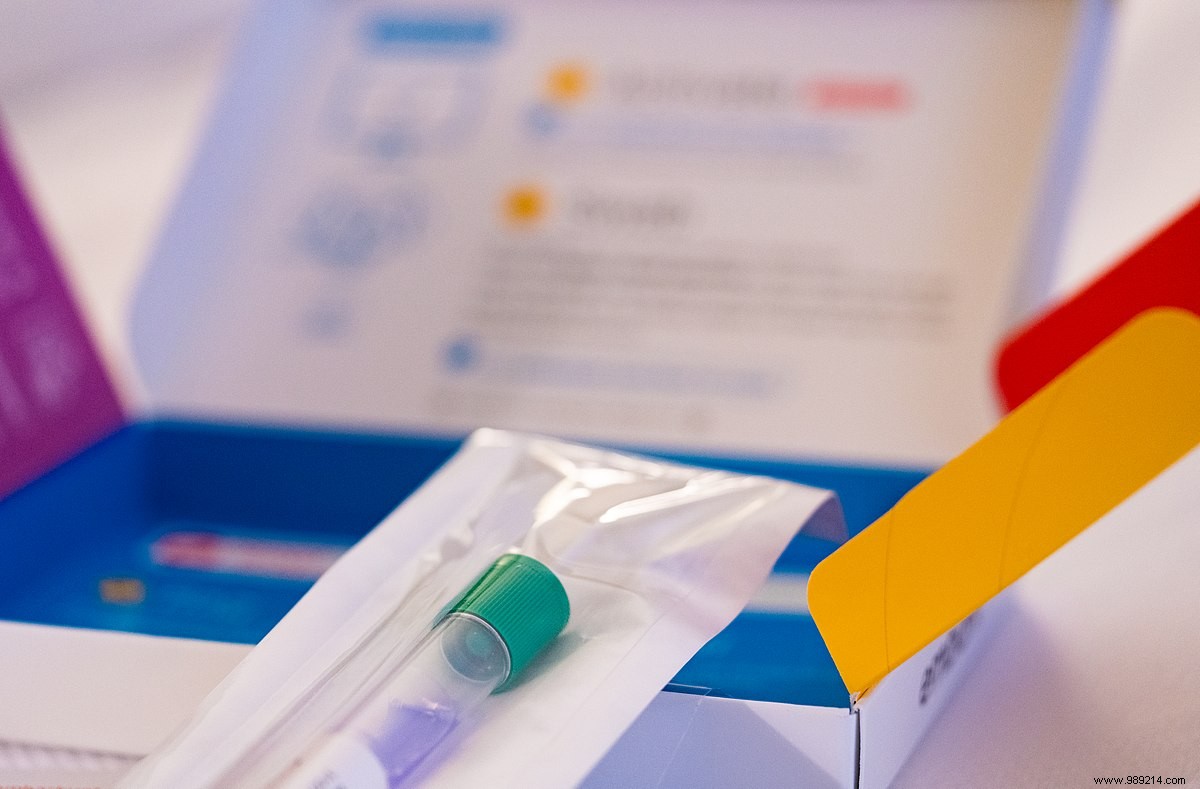
The DoD cited potential inaccuracies in medical insights, such as genetic predispositions to around 10 diseases, which overlook environmental factors. Ancestry estimates also carry statistical margins of error, relying on self-reported databases.
Data breaches at storage facilities are another concern, compounded by some companies' practices—like 23andMe's 2018 sale of its full genetic database to GlaxoSmithKline.
In France, at-home DNA testing is illegal, yet kits are easily shipped and promoted on platforms like YouTube, as noted in a December 2019 Numerama article.
Related Articles:
