Researchers at MIT are pioneering a contraceptive pill taken just once a month, with clinical trials potentially on the horizon.
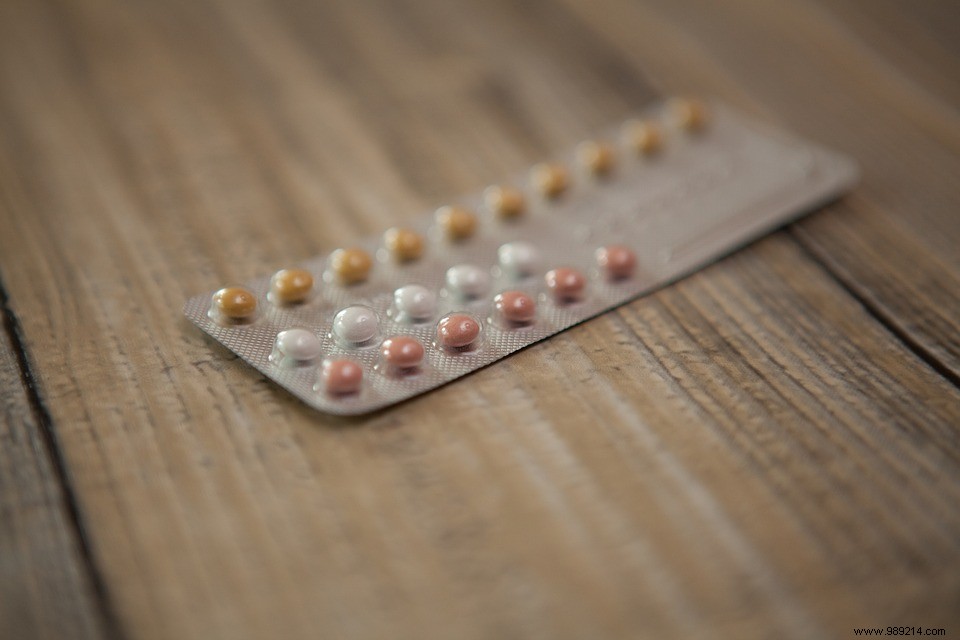
In France, the daily birth control pill remains the leading contraceptive choice, but it comes with challenges. Common side effects include bloating, breast tenderness, nausea, and headaches. Many women also discontinue use due to the daily regimen, where even a single missed dose heightens pregnancy risk.
Addressing this, a team from MIT in the U.S. is developing a pill administered only once a month. Their findings appear in Science Translational Medicine.
Funded by the Bill & Melinda Gates Foundation, the team created a capsule that dissolves in the stomach, deploying a starfish-shaped structure.
Each of the six arms contains doses of levonorgestrel, the synthetic progestogen used in emergency contraception. This design enables gradual hormone release, arm by arm.
A key hurdle was engineering polymers to withstand the stomach's acidic environment for days. After rigorous testing in simulated gastric fluid, they selected polyurethane, a proven material.
Tests in pigs yielded impressive results: the pill provided protection for an average of 29 days, with no side effects or digestive blockages observed.
Christine Metz, PhD, from New York's Feinstein Institute for Medical Research, calls the study "highly promising." However, she notes pigs, while closer to humans than rodents metabolically, still differ significantly.
“Pigs have shorter cycles and different menstrual patterns than women,” she explains. "Digestive processes also vary from humans."
Human clinical trials could begin as early as 2021, once researchers "optimize materials for sustained dosing and complete hormone release."
Source
Related articles:
